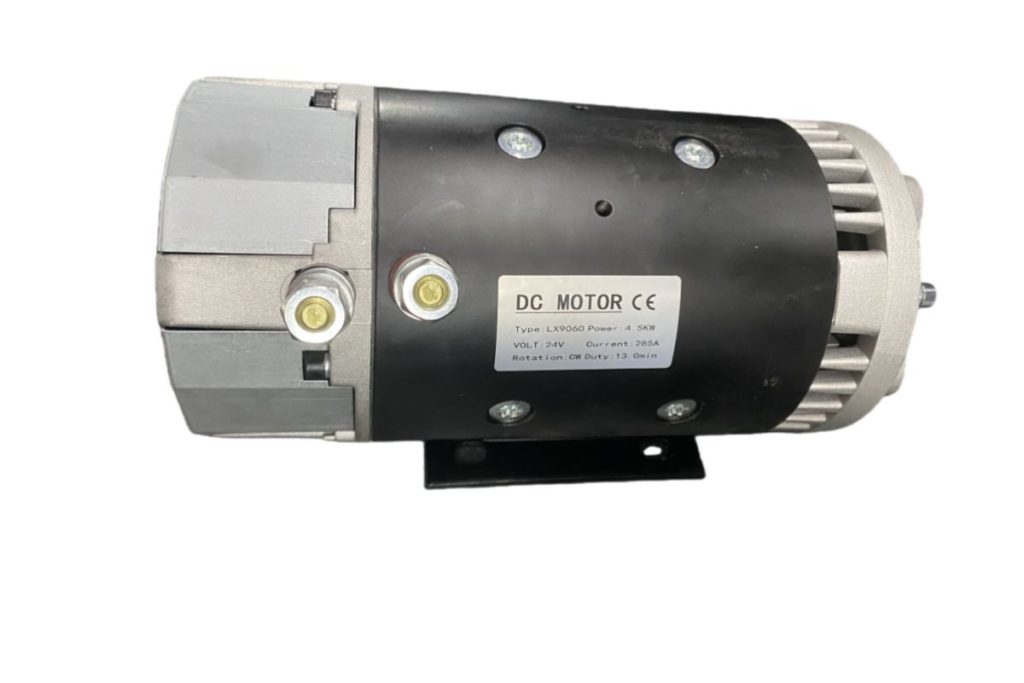
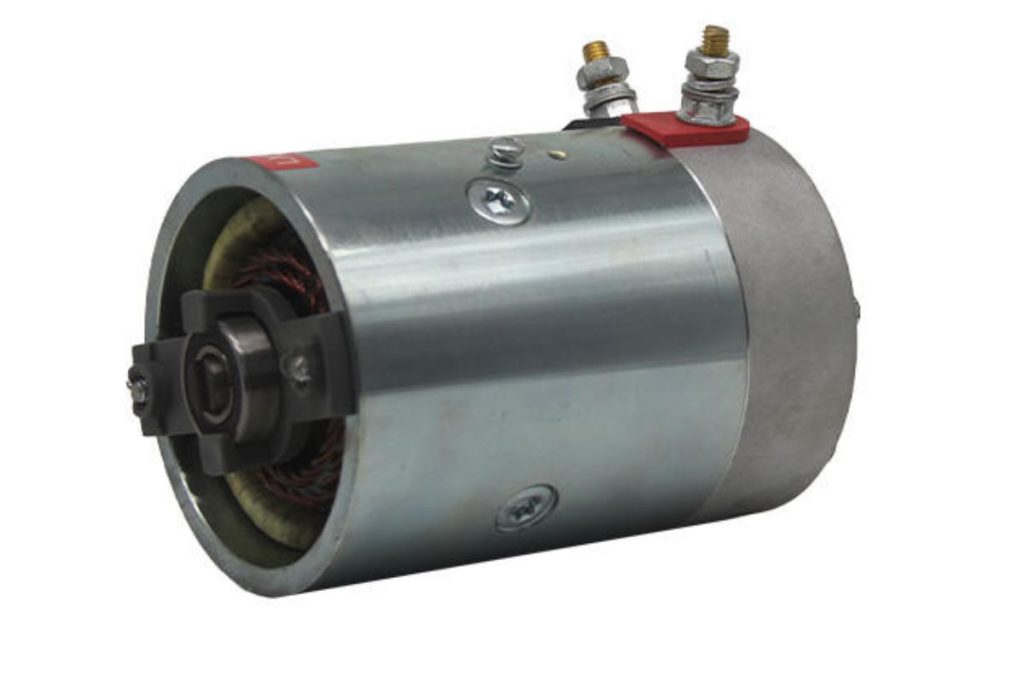
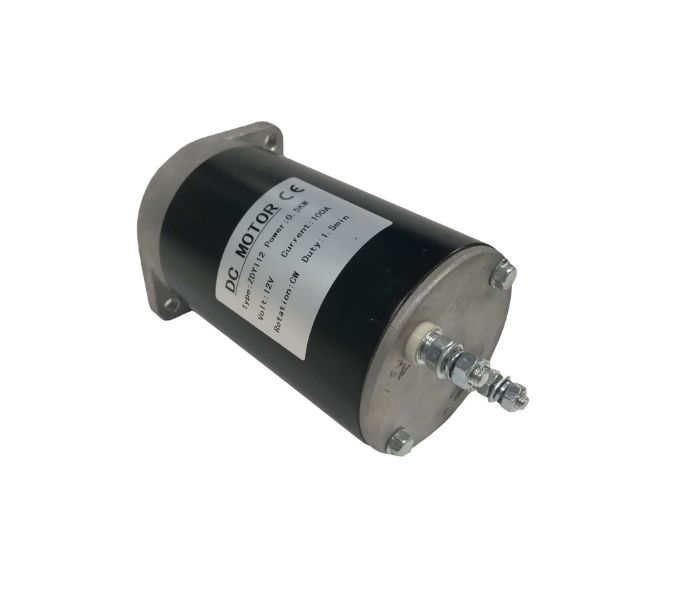
Hydrath DC Motor for Hydraulic Power Packs
- Fast start‑up response and stable performance for lift, dump, and scissor systems
- 12 V / 24 V options; 48 V available on request for lower current and higher efficiency
- Robust build with precision components; quality systems aligned with ISO/IATF practices
- Optimized for S3 intermittent duty; thermal protection and EMC‑friendly integration
Hydraulic DC Motors


What is a DC motor for a hydraulic power pack?
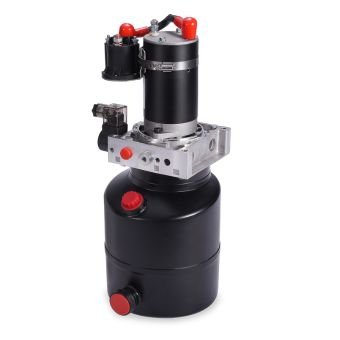
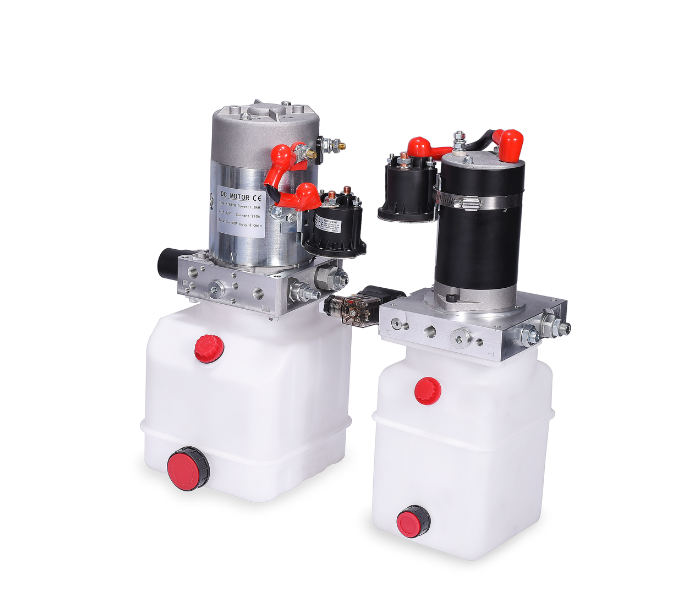
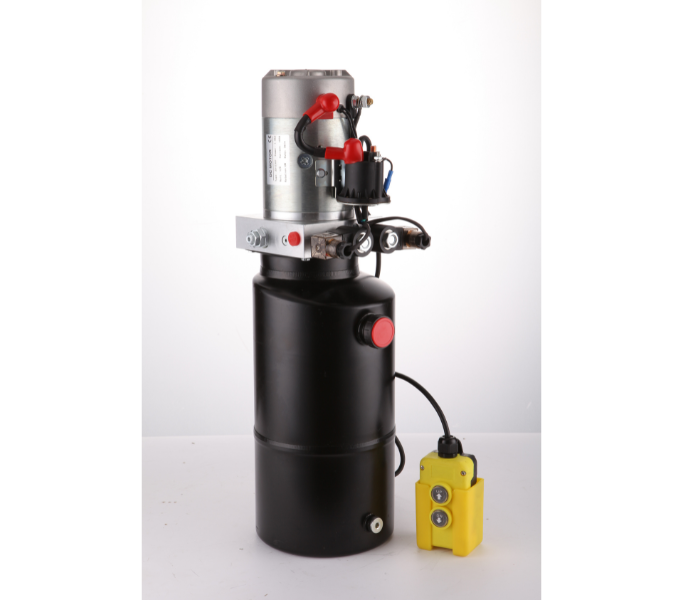
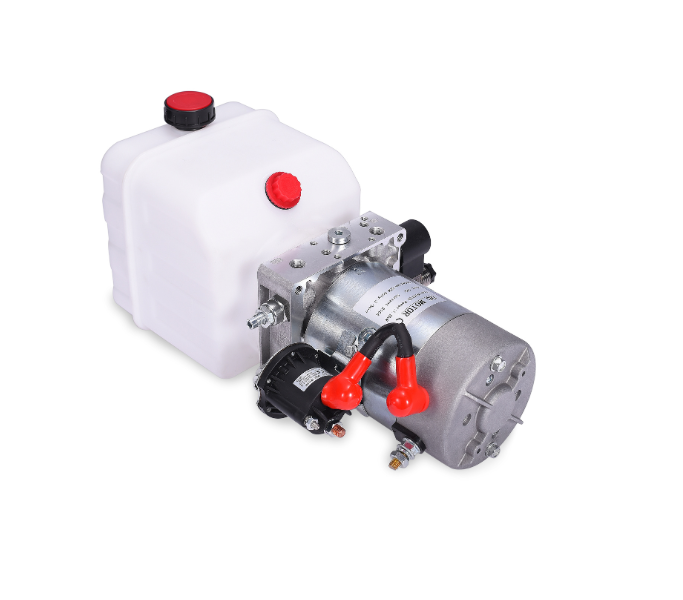
A DC motor for a hydraulic power pack converts electrical energy from a battery or DC supply into mechanical shaft power to drive the hydraulic pump. In compact mobile units, the DC motor is directly coupled to the gear pump and integrated valve manifold, delivering the required flow and pressure to actuate cylinders and hydraulic devices (e.g., lifting, tipping, clamping). Compared with AC solutions, DC power pack motors are optimized for intermittent operation, fast starts, and tight space constraints, making them ideal for vehicles and equipment without mains power.
OUR PRODUCT
DC Motor For Hydraulic Power Packs
Hydrath Provide One Stop DC Motor Solution For Hydraulic Power Packs

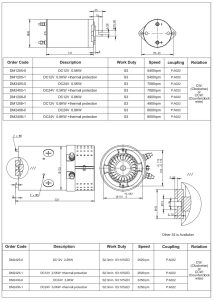
12V 0.5KW DC Motors
Work Duty: S3; Speed: 5400rpm; Coupling: P:A022; Thermal Protection Optional.
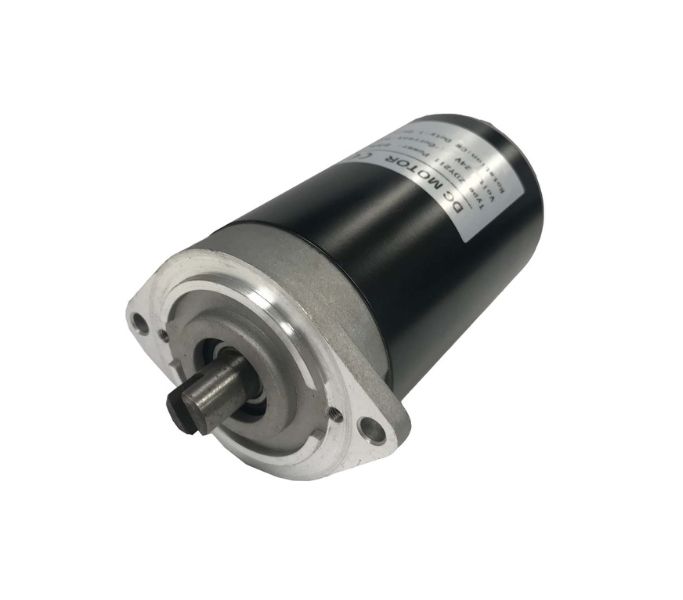
24V 0.5KW DC Motors
Work Duty: S3; Speed: 7080rpm; Coupling: P:A022; Thermal Protection Optional.
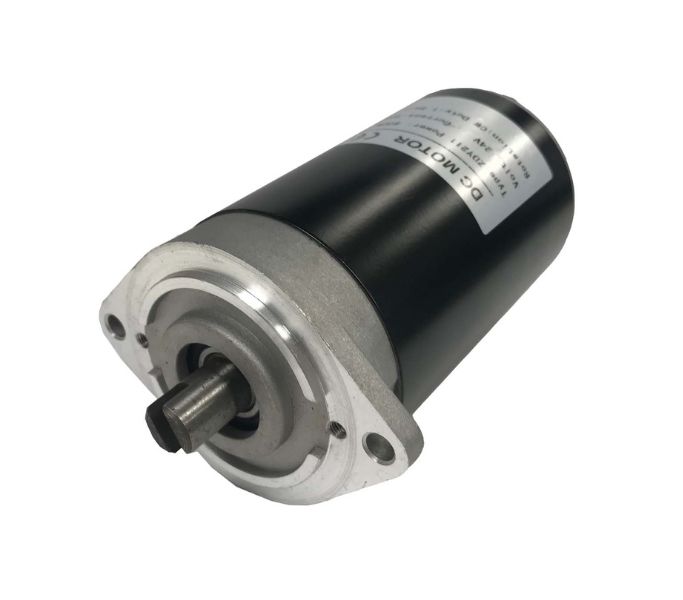
12V 0.8KW DC Motors
Work Duty: S3; Speed: 4900rpm; Coupling: P:A022; Thermal Protection Optional.
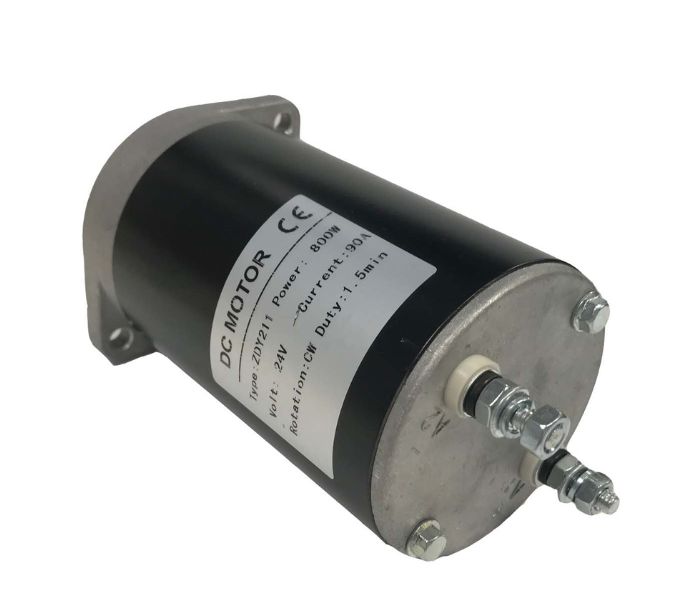
24V 0.8KW DC Motors
Work Duty: S3; Speed: 6000rpm; Coupling: P:A022; Thermal Protection Optional.
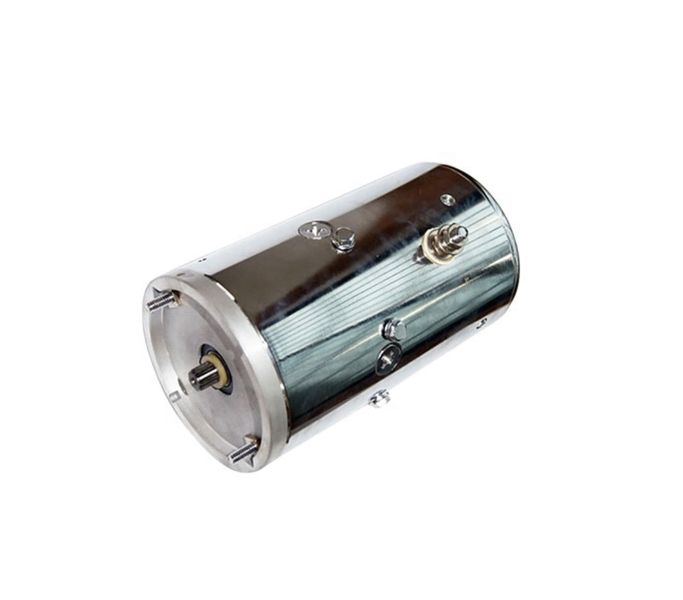
12V 2.5KW DC Motors
Work Duty: S2/S3; Speed: 2620rpm; Coupling: P:A022; Thermal Protection Optional; Rotation: CW or CCW
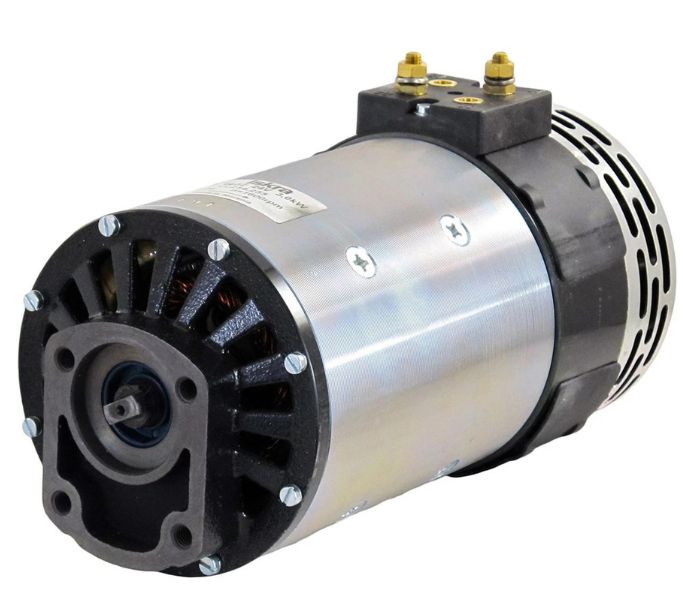
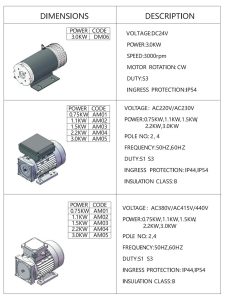
24V 3.0KW DC Motors
Work Duty: S2/S3; Speed: 2620rpm; Coupling: P:A022; Thermal Protection Optional; Rotation: CW or CCW

12V 1.6KW DC Motors
Work Duty: S2/S3; Speed: 2600rpm; Coupling: P:A022; Thermal Protection Optional.
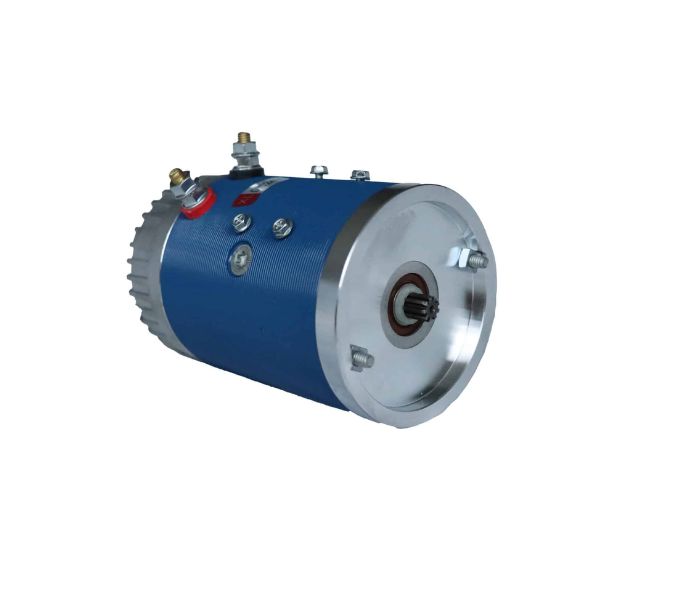
24V 1.6KW DC Motors
Work Duty: S3; Speed: 3343rpm; Coupling: P:A022; Thermal Protection Optional.
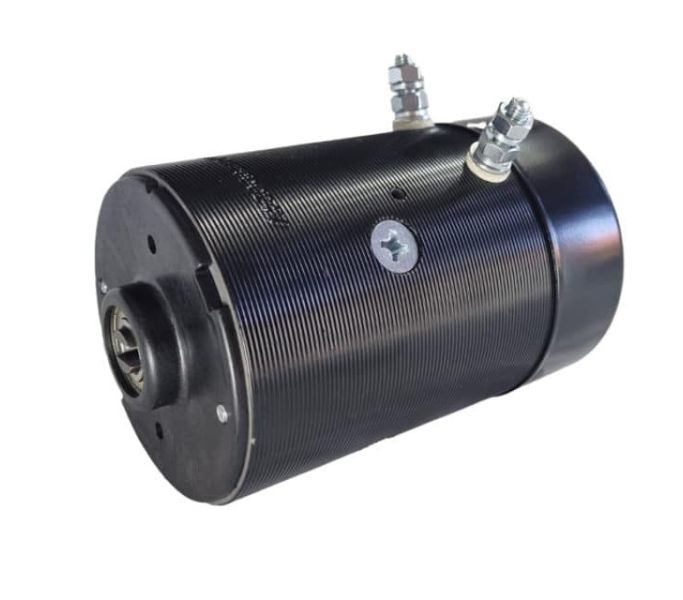
12V 2.0KW DC Motors
Work Duty: S2/S3; Speed: 2275rpm; Coupling: P:A022; Thermal Protection Optional; Rotation: CW or CCW
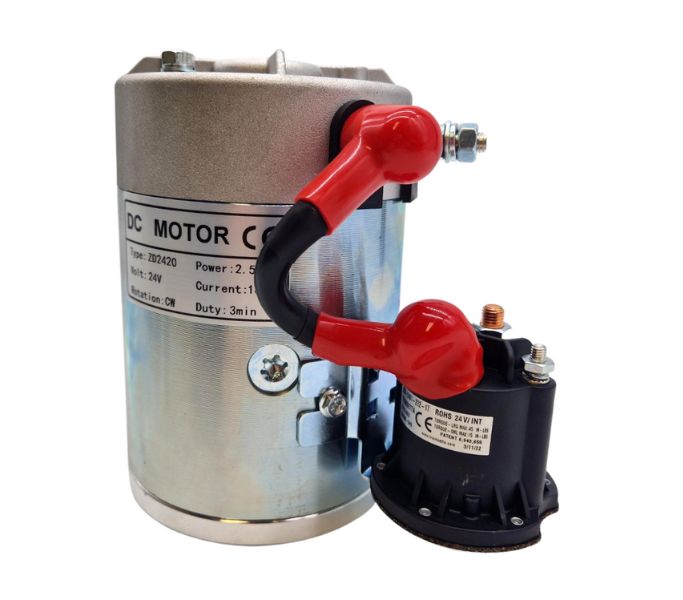
24V 2.0KW DC Motors
Work Duty: S2/S3; Speed: 3030rpm; Coupling: P:A022; Thermal Protection Optional; Rotation: CW or CCW
Application
Hydraulic Power Packs Applications
Agriculture & livestock
- Lifting
- Feeding
- Rural automation systems
Meet Us on The Trade Show
Hydrath attends exhibitions worldwide every year:
Hannover Messe
PTC ASIA
Bauma CHINA
You are welcome to book a visit to our exhibitions.
FAQ
Should I choose 12V or 24V?
12V suits lighter-duty and compact mobile setups but draws higher current for the same power;
24V reduces current and generally offers better efficiency under load, ideal for higher-demand or near‑industrial duty.
Decide based on duty cycle, cable length/voltage drop, battery capacity, and performance targets.
What is the typical duty cycle?
Most brushed DC motors are designed for S3 intermittent duty (short run + cool‑down interval).
Define on‑time and off‑time to prevent thermal stress.
BLDC motors can extend operating time when paired with suitable controllers and thermal management.
Can the power unit be mounted horizontally or vertically?
Compact DC HPUs commonly support horizontal or vertical mounting;
consult the specific model instructions and ensure correct port orientation, breather position, and fastening.
What hydraulic oil and cleanliness level should I use?
Use quality hydraulic oil (commonly ISO VG 32/46, adjusted to ambient temperature), filter to 10–30 μm, and maintain cleanliness per supplier guidance.
Do not mix oils; maintain filtration and prevent cavitation/air entrainment.
What safety steps before DC HPU maintenance?
Disconnect the battery, depressurize lines, ensure control valves are OFF, wear PPE, and never operate damaged or partially assembled equipment.
What is the typical performance envelope?
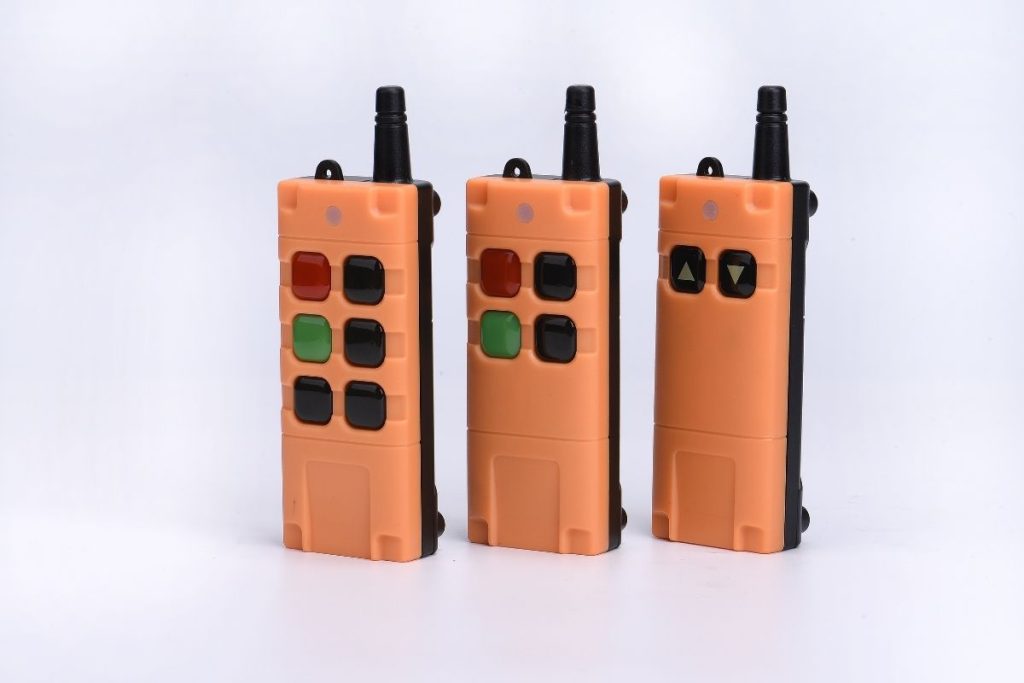
Yes. Systems commonly include wired pendants;
wireless options depend on vendor and environment and can reach up to ~100 m.
EMC and vehicle compliance considerations?
For compact DC HPUs: motor power ≈ 0.5–4.5 kW, flow ≈ 3–25 L/min, max system pressure up to ~250 bar depending on configuration.
Match pump displacement to motor speed and confirm relief valve settings.
Brushed (PMDC/series wound) vs BLDC?
Brushed motors are cost‑effective with high starting torque, ideal for intermittent tasks;
BLDC offers higher efficiency, longer life, and finer control but requires suitable controller and EMC design.
Installation torques and fastening notes?
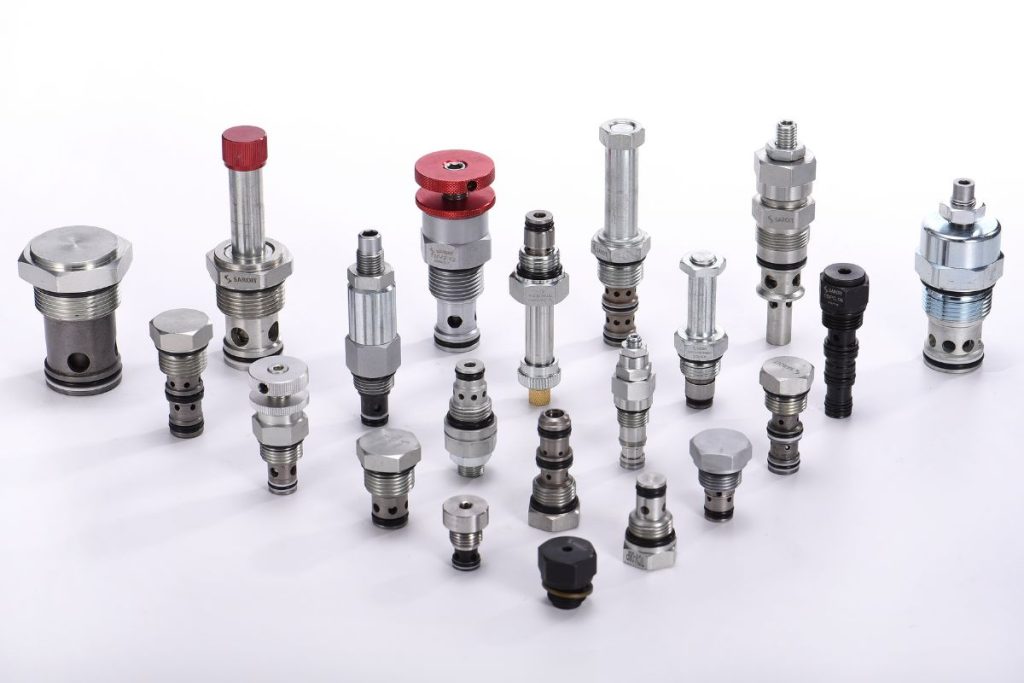
Follow supplier torque specs for ports and spools (example: 9/16‑18 SAE ORB (#6) ≈ 18 ft‑lbs; use a torque wrench).
Use specified fastener grades and lubrication per manual.