Hydraulic Shut Off Valves for Circuit Isolation
A hydraulic shut off valve opens or closes a defined flow path in a hydraulic circuit. HydrathPower reviews the required isolation function, actuation method and valve interfaces for the application.
For hydraulic service, confirm fluid compatibility, operating pressure, flow direction and the required leakage limit. An isolation valve does not by itself establish a complete maintenance or emergency safety procedure.
Manual and remotely actuated designs serve different circuit tasks. Normally closed and normally open describe the valve’s default state; confirm how the selected design responds to command, pressure and power loss on its schematic.
Possible locations include tank outlets, pump discharge lines, manifolds and branch circuits. Select the valve for its actual location, including trapped pressure, pressure drop, port standard and access for operation or service.
Send the circuit drawing and required operating states for review. Final component ratings and acceptance criteria must match the selected valve and the equipment requirements.
Shut Off the Valve Symbol
Shut‑off valve symbol is a standardized icon in engineering drawings that denotes start/stop control of fluid flow in pipelines.

Key Features of Our Hydraulic Shut-Off Valve
- Body material and fluid compatibility
- Seal material and leakage requirements
- Configuration confirmed against the circuit
- Pressure rating confirmed for the selected model
- Required response and actuation method
- NC/NO state and manual override requirements
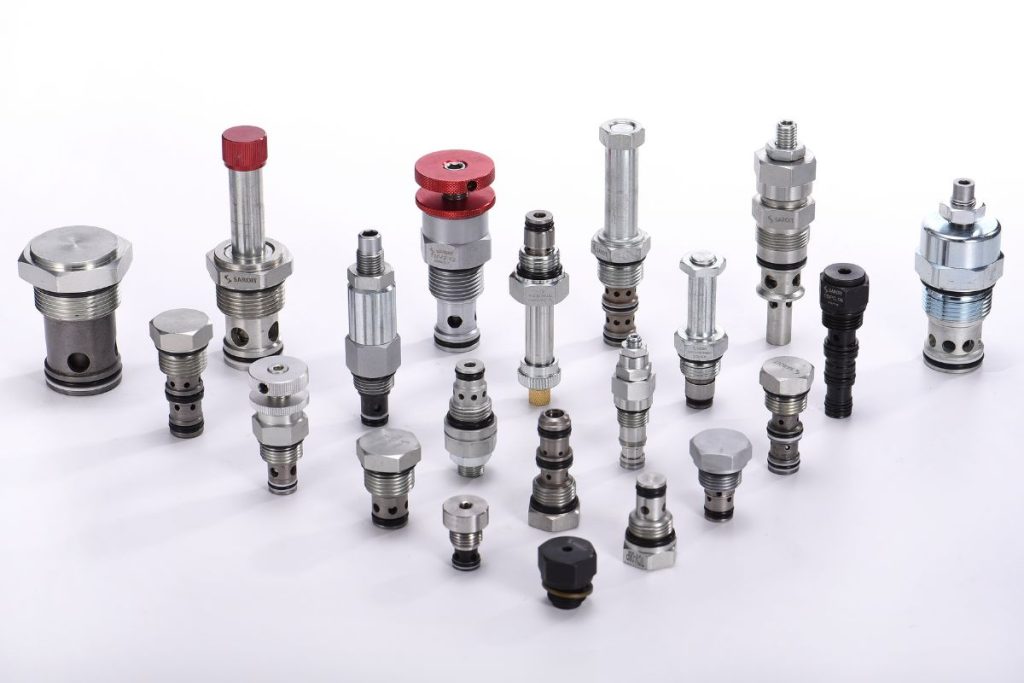
- Manifold integration(cartridge shut‑off via solenoids)
Types of Shut-off Valves

Flange Hydraulic Shut-off Valve
Flange‑mounted hydraulic shut‑off valve rated up to 2,500 PSI for rapid isolation on heavy‑duty lines.

Hydraulic Normally Closed Shut-off Valve
Normally closed hydraulic shut-off valve for a circuit requiring a closed default state. Confirm pressure, leakage limits and fault response for the selected model.

Low-Pressure Shut-off Hydraulic Valve
Efficient shut‑off solution for low‑pressure circuits with stable performance and low pressure drop.

Manual Shut-Off Hydraulic Valve
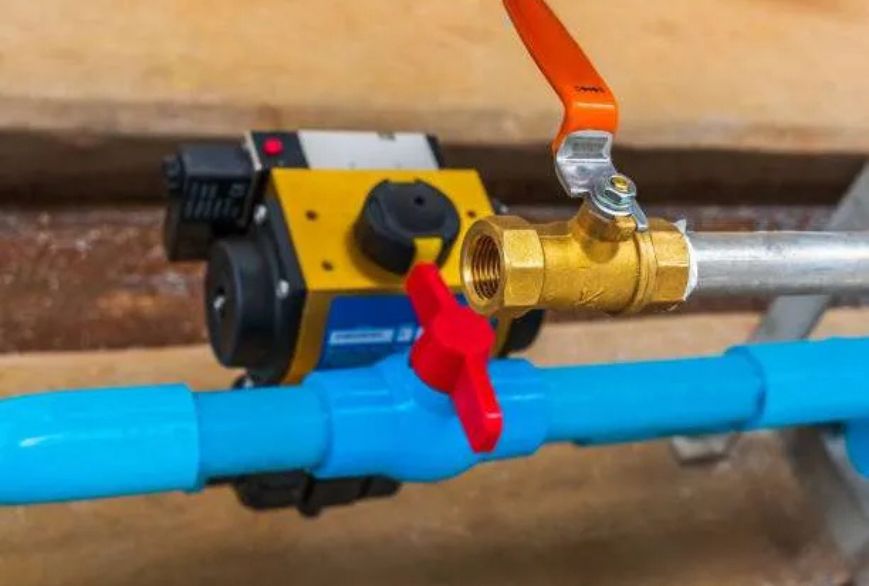
Hand‑operated shut‑off valve options (ball, gate, needle) for precise on/off control and maintenance isolation.
Meet Us on The Trade Show
Hydrath attends exhibitions worldwide every year:
Hannover Messe
PTC ASIA
Bauma CHINA
You are welcome to book a visit to our exhibitions.
How do NC (normally closed) and NO (normally open) hydraulic shut‑off valves differ?
NC means normally closed; check the schematic for its spring, pilot and electrical operating states rather than assuming pressure loss always produces safe isolation;
NO means normally open. Select the required default state through the complete circuit risk assessment, including trapped pressure and the specified failure conditions.
Which shut‑off valve type should be selected for fast isolation vs. precise control?
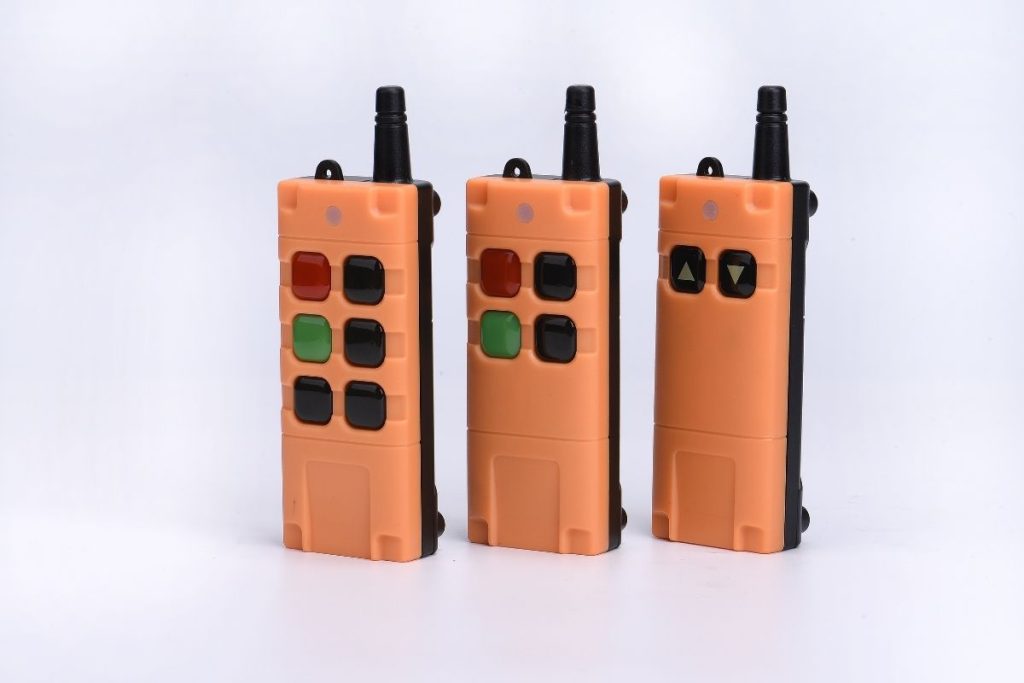
Automatic choices include solenoid and motorized ball where remote actuation and long-cycle service are required;
selection balances response speed, pressure rating, and media compatibility.
Where are hydraulic shut‑off valves typically installed?
Industrial placements span petroleum, gas, chemical, food & beverage, HVAC, and water treatment to reduce operational risk and enable controlled isolation with clear P&ID representation.
What pressure ratings and materials are common?
Bodies provided in carbon steel, stainless steel, iron base, or brass;
Material choice aligns with pressure class, corrosion environment, and fluid compatibility.
Do cartridge solenoid valves provide shut‑off inside hydraulic manifolds?
Yes, 2‑way NC/NO solenoid cartridges implement compact shut‑off.
What are installation best practices to prevent leaks and wear?
Proper installation avoids leakage, operating degradation, and accelerated wear.
Commissioning checks include pressure/flow tests and symbol‑accurate P&ID documentation for clear maintenance.