Hydraulic Manifold Manufacturer for Circuit-Specific Blocks
HydrathPower reviews circuit-specific hydraulic manifolds for OEM equipment, using the supplied schematic to define valve interfaces, cavities, passages, ports, material, mounting and test requirements. Final geometry and operating limits are confirmed against the selected components and an approved project drawing.
OUR PRODUCT
CUSTOM HYDRAULIC PRODUCT

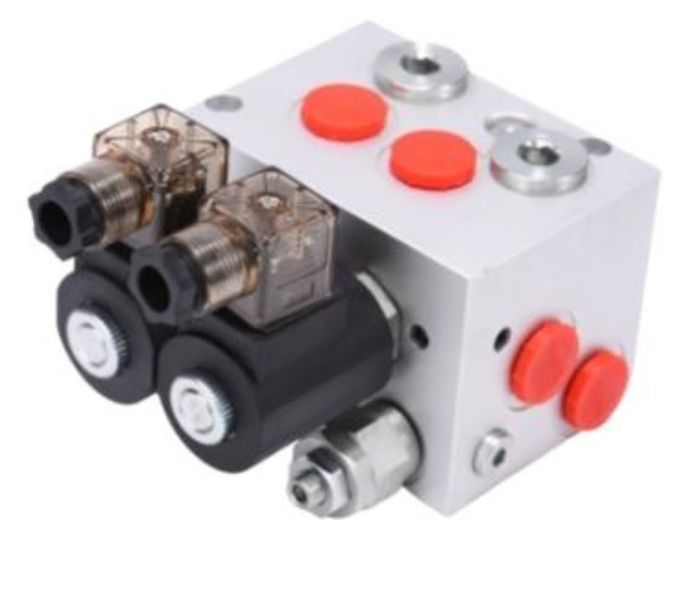
Cartridge Valve Manifold
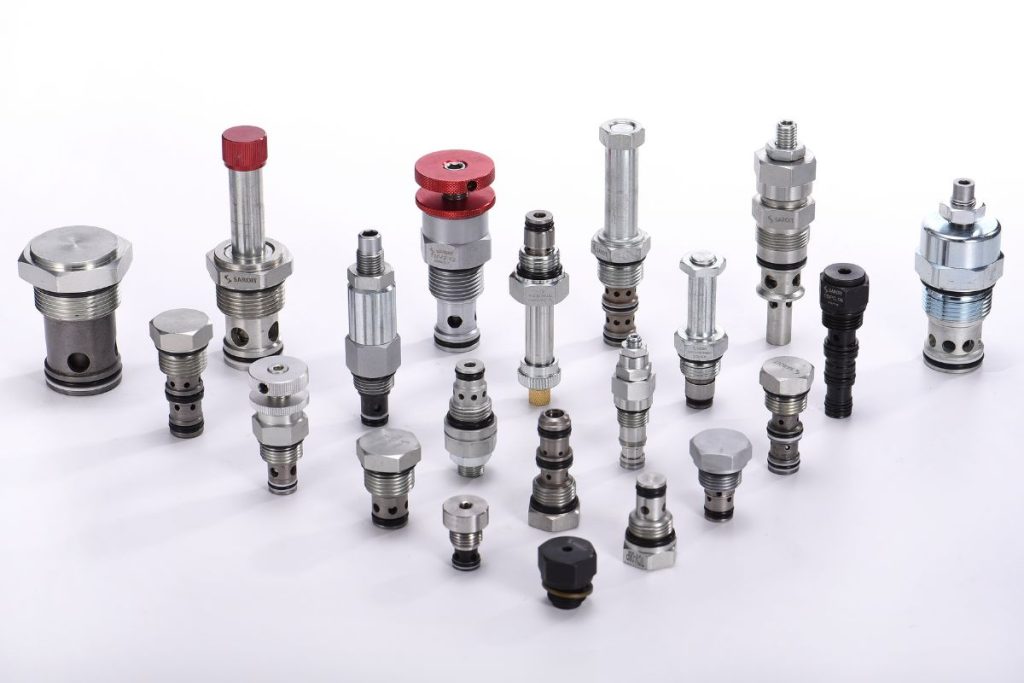
Cartridge-valve manifold review begins with the approved circuit, selected valve datasheets and cavity drawings. Confirm port standard and position, block material, mounting space, flow path and pressure requirements for the actual equipment. Final limits and interfaces belong on the project drawing.
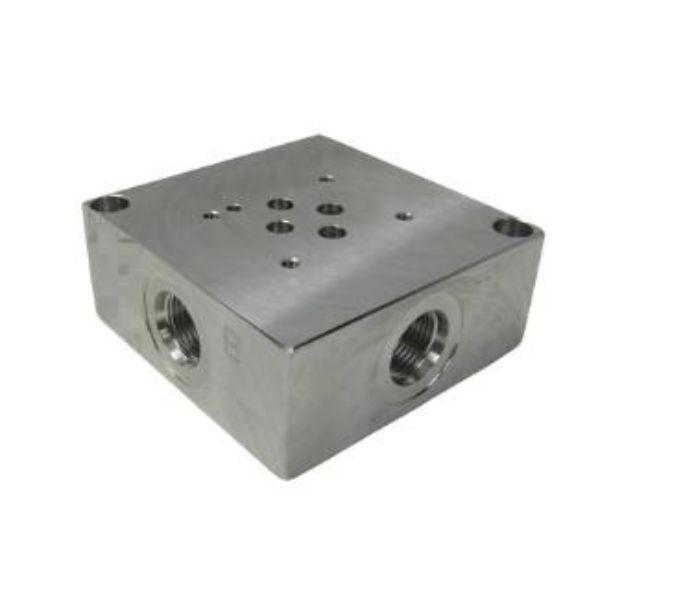
Subplate Manifold
Subplate manifolds with CETOP/NG6 footprints, lateral ports, and stackable sections for fast swaps. Specify BSPP/SAE porting, P/T/A/B paths, aluminum/steel plates, two/three-section options. Perfect for industrial machinery, conveyors, tooling, and packaging lines where downtime must be minimized.

CETOP Manifold
For an ISO 4401 subplate manifold, check the selected valve mounting pattern, port map, seal locations and circuit routing. Confirm series or parallel passages against the schematic and account for installation and service access. Working limits depend on the chosen valves, seals, material and released drawing.
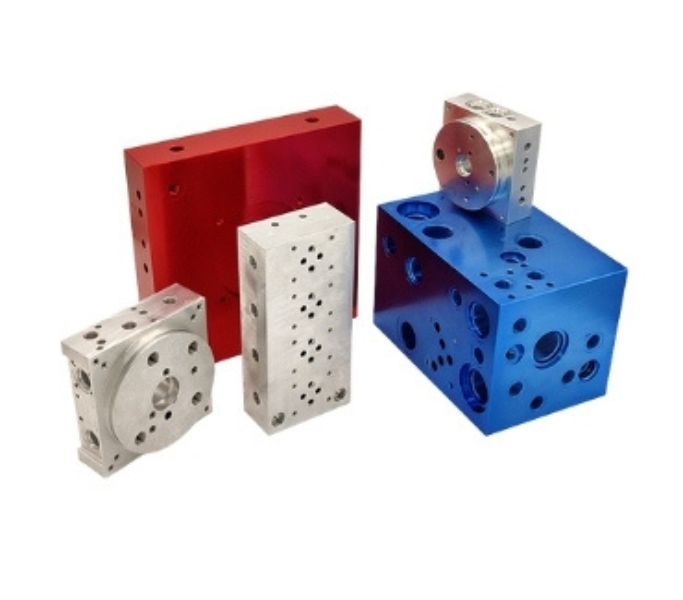
Custom Hydraulic Manifolds
Custom manifolds that minimize pressure drop, integrate solenoid/relief/sequence/check valves, and optimize mounting. Specify aluminum/steel/ductile iron, BSPP/SAE ports, UNF cavities, and application-driven size. Suited to OEM systems, mobile machinery, and power units balancing cost, weight, and reliability.

Hydraulic Central Manifolds
Central manifolds with predefined cavities/ports and simplified BOM. Specify International 1/4″ BSP or US SAE06 execution, MB/MR/M4 bodies, and P/T/A/B layout. Ideal for micro power units, dock levelers, snow plows, and compact lift systems.
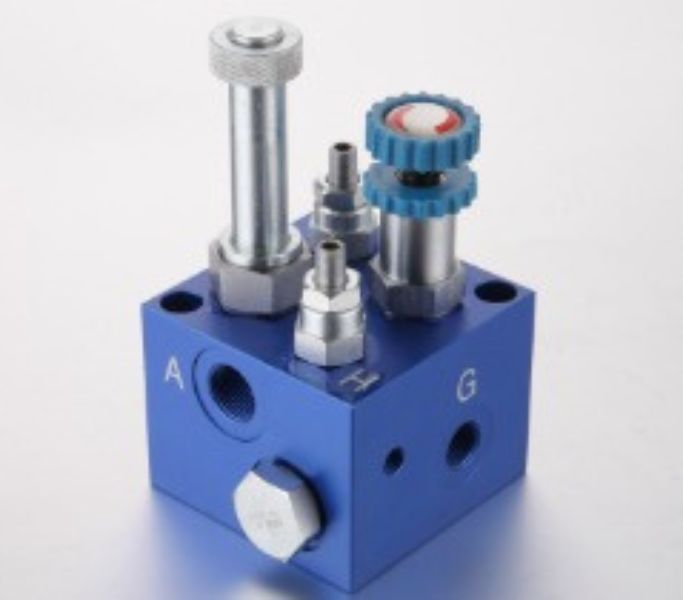
Hydraulic Lift Valve
A lift-control manifold review starts with the actuator and load case, lifting and lowering functions, load-holding strategy and emergency behavior. Check valve selection, port interface, flow path, mounting and safety-related requirements against the equipment design. Pressure, flow and final valve settings require project-specific engineering confirmation.
Hydraulic Manifold Blocks Supplier in China: OEM Review
A useful manifold review starts with the approved hydraulic schematic and selected valve data. HydrathPower can use these inputs to discuss a circuit-specific block; the released geometry, material, operating limits and acceptance evidence must be agreed for the actual project.
| Item | Information to confirm |
|---|---|
| Circuit and valves | Schematic, valve functions, selected components and their cavity drawings |
| Interfaces | Port standard and positions, mounting, envelope and service access |
| Operating conditions | Pressure and flow by circuit state, fluid, temperature and duty |
| Release package | Controlled drawing, port and cavity schedule, revision and agreed inspection or test records |
Send the schematic, component list and available drawings with your request. Claims about certifications, standard lead time, capacity or universal test coverage remain subject to owner confirmation and should not be inferred from this checklist.
Application
Hydraulic Power Packs Applications
Agriculture & livestock
- Lifting
- Feeding
- Rural automation systems
Hydraulic Manifold Blocks Designing
Hydraulic Manifold Blocks designed the right way reduce plumbing, leak points, and start‑up issues.
- CAD‑optimized flow paths and compact routing
- BSPP/SAE ports aligned to plant standards
- ISO 4401/CETOP valve interface compliance
- Service access and clear labeling built in


Manifold Block Manufacturing
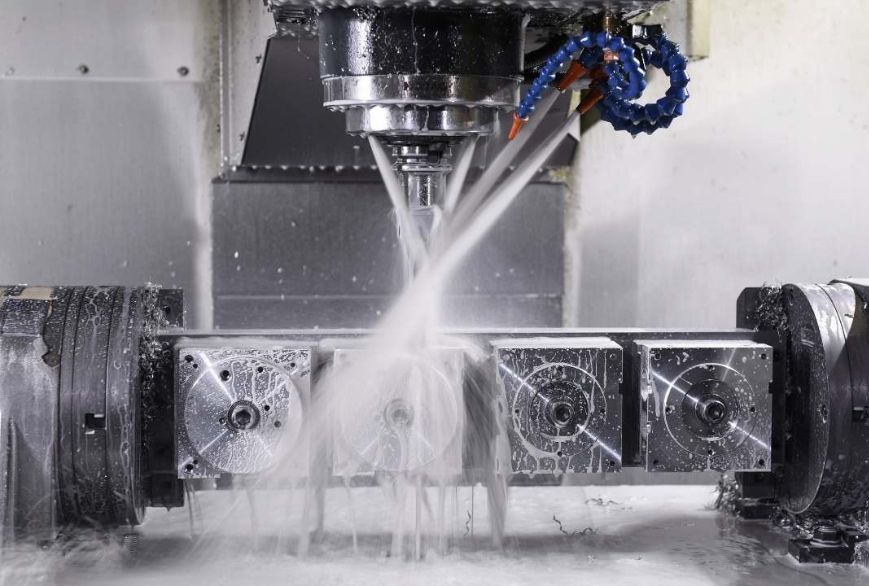
For a manifold manufacturing review, confirm the block material, valve cavity data, port geometry, drilling access and inspection scope against the approved circuit. Final material and machining choices depend on the project load, fluid, environment and component ratings.
• Review thread and port standards before machining
• Check cross-drilling and access for production and service
• Define cavity, sealing-face and cleanliness requirements on the drawing
• Agree on inspection and acceptance evidence for the supplied block
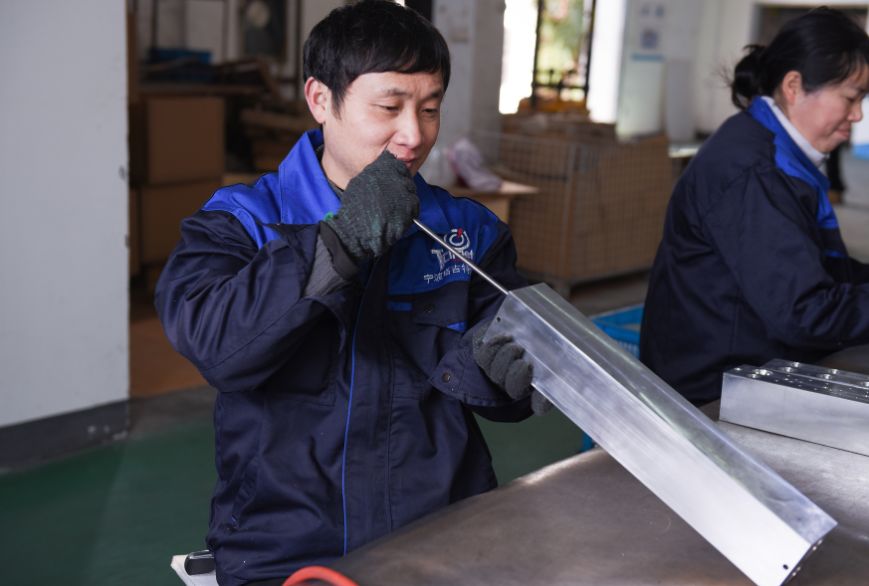
Manifold Blocks Deburring
Passage cleanliness should be specified for the valves, pumps and operating conditions of compact AC/DC power packs used in mobile and industrial applications.
- Remove burrs to prevent particle generation
- Flush intersecting channels thoroughly
- Verify cleanliness before assembly and test
- Reduce start‑up issues and maintenance time

Discuss Your Manifold Project at a Trade Show
Hydrath attends exhibitions worldwide every year:
Hannover Messe
PTC ASIA
Bauma CHINA
You are welcome to book a visit to our exhibitions.
What are Hydraulic Manifold Blocks and why are they used?
Hydraulic Manifold Blocks centralize valves and ports to control flow, pressure, and direction.
They reduce plumbing, leak points, and pressure loss, while simplifying maintenance.
Designs include cartridge valve manifolds, CETOP/ISO 4401 subplate manifolds, modular/sandwich stacks, and central manifolds for power packs.
How do CETOP NG6/ISO 4401 interfaces benefit Hydraulic Manifold Blocks?
ISO 4401 interface patterns help define the mounting footprint, port arrangement and seal locations for compatible valve-to-manifold designs. Confirm the selected valve size, porting, seals and manufacturer drawing before assuming interchangeability. Sandwich or subplate functions can be considered when the approved circuit and space allow them.
Which port styles are commonly used on Hydraulic Manifold Blocks?
BSPP and SAE ORB are the most common for leak‑free sealing; NPTF appears in some regions.
Port choice should match plant standards, fittings inventory, and pressure requirements to keep Hydraulic Manifold Blocks service‑friendly and consistent.
Aluminum vs ductile iron — how should I choose the material?
Choose manifold material only after checking the actual circuit pressure, pressure spikes, fluid, temperature, weight target, valve-cavity requirements and applicable material data. Aluminum and ductile iron offer different weight, stiffness and machining tradeoffs, but neither has a universal safe pressure limit. The released drawing and engineering review should establish the material, wall thickness and acceptance criteria for the specific block.
What are cartridge cavities and why do they matter in Hydraulic Manifold Blocks?
Cartridge cavities define thread, depth, and sealing for relief, check, and flow control valves.
Common sizes include 3/4‑16 UNF (size 8) and other OEM standards.
Correct cavity selection ensures reliable sealing, predictable performance, and easy field servicing of Hydraulic Manifold Blocks.
How does design optimization lower pressure drop in Hydraulic Manifold Blocks?
Shorter channels, generous radii, and minimal sharp turns reduce turbulence and heat.
DFM checks prevent intersecting passages and thin walls.
The result is stable flow, lower energy loss, and consistent actuator speed across Hydraulic Manifold Blocks.
Where are Hydraulic Manifold Blocks most useful?
- Mobile hydraulics (scissor lifts, tipping trailers, electric stackers) benefit from compact central manifolds.
- Industrial HPUs use CETOP subplates and sandwich stacks for modular expansion.
Both sectors gain fewer leak points and faster service.
How do I specify Hydraulic Manifold Blocks for my system?
Define pressure/flow, port standards (BSPP/SAE), valve functions (relief/check/flow/lowering), and interface (ISO 4401 CETOP).
Provide 3D drawings for DFM, service access, and labeling.
This ensures Hydraulic Manifold Blocks fit envelope, performance, and maintenance targets.
What maintenance practices extend the life of Hydraulic Manifold Blocks?
Keep filtration effective, verify torque on threaded ports, and check seals.
Inspect for contamination at service intervals; maintain records of valve swaps and relief settings.
These steps stabilize performance and reduce unplanned downtime.