

Choose the hand pump around the cylinder circuit
A hand operated hydraulic pump, also called a manual hydraulic hand pump, is selected as part of a circuit, not by its pressure label alone. Start with the cylinder movement, the oil volume needed for the stroke and the way the equipment must return. HydrathPower’s hand-pump range includes single-acting and double-acting configurations, with cartridge/in-line, remote and tank-mounted arrangements.
Keep pump delivery action separate from cylinder action. A pump that delivers oil during both handle directions does not, by that fact alone, provide the directional control needed to extend and retract a double-acting cylinder. The hydraulic schematic must show where oil goes in each selected operating state.
Single-acting hydraulic hand pump circuits
For a single-acting cylinder, pressure drives movement in one direction; a spring, gravity or another external force provides the return where the cylinder design allows it. Review the release path and the required return behavior as well as the pumping stroke. Do not use a general pump description as evidence that a loaded cylinder will hold or lower safely.
Describe whether the pump provides normal working power, maintenance positioning or emergency backup. The equipment designer should specify pressure protection, isolation and load-control requirements. A release knob is an operating control, not proof of a complete load-holding arrangement.
Double-acting hydraulic hand pump circuits
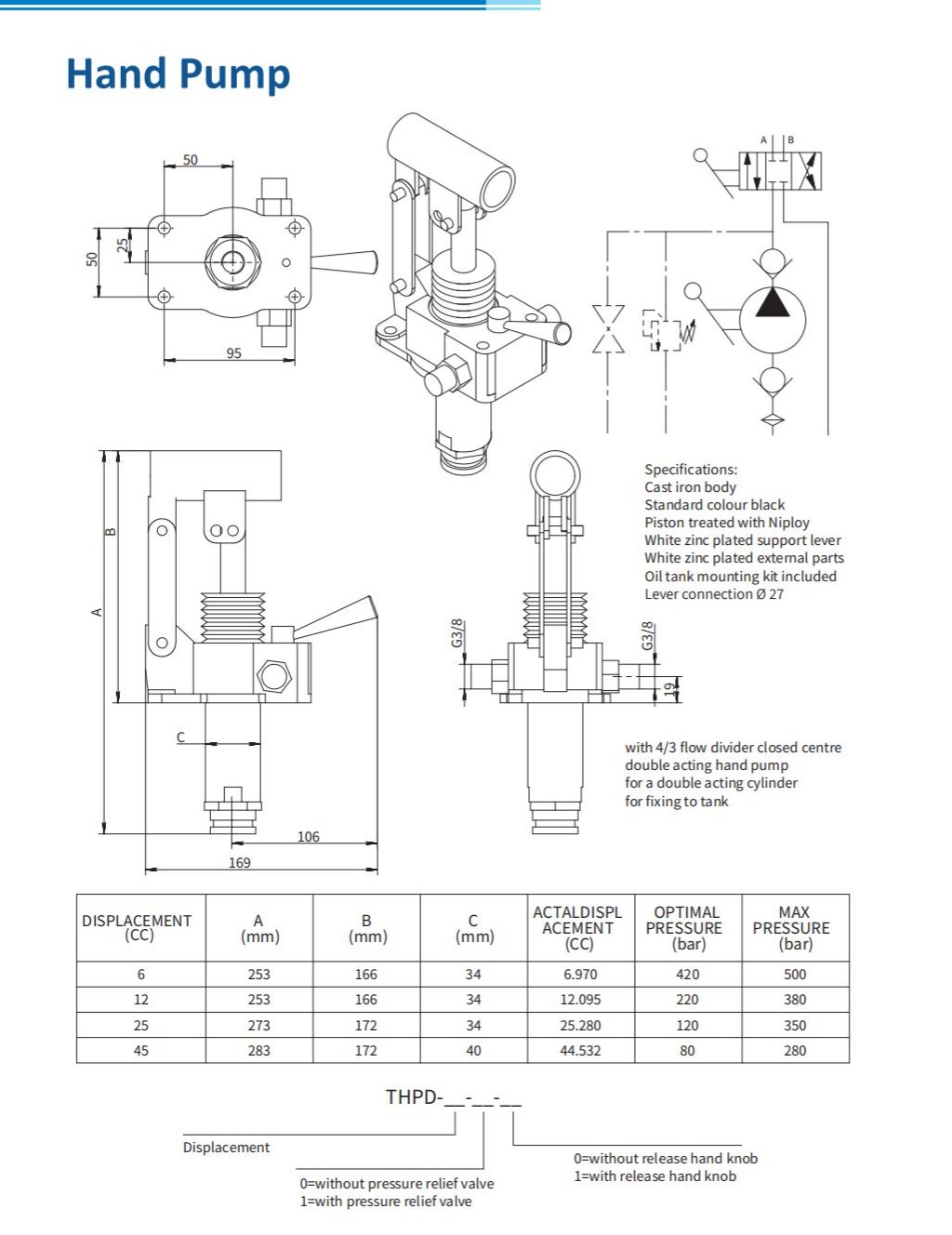
If movement must be powered in both directions, the circuit must route pump flow to the appropriate cylinder port and provide a return path from the other port. Identify extend, retract and neutral states on the schematic. Confirm the pump and directional-control arrangement together before selecting an assembly.
A hydraulic hand pump and cylinder must also be checked as a mechanical installation. Include cylinder ports, hose routing, mounting clearances and access to the handle and controls. Neither matching thread names nor a similar-looking photograph proves interchangeability.
Compare mounting and reservoir arrangements
| Arrangement | What to provide | What remains to be confirmed |
|---|---|---|
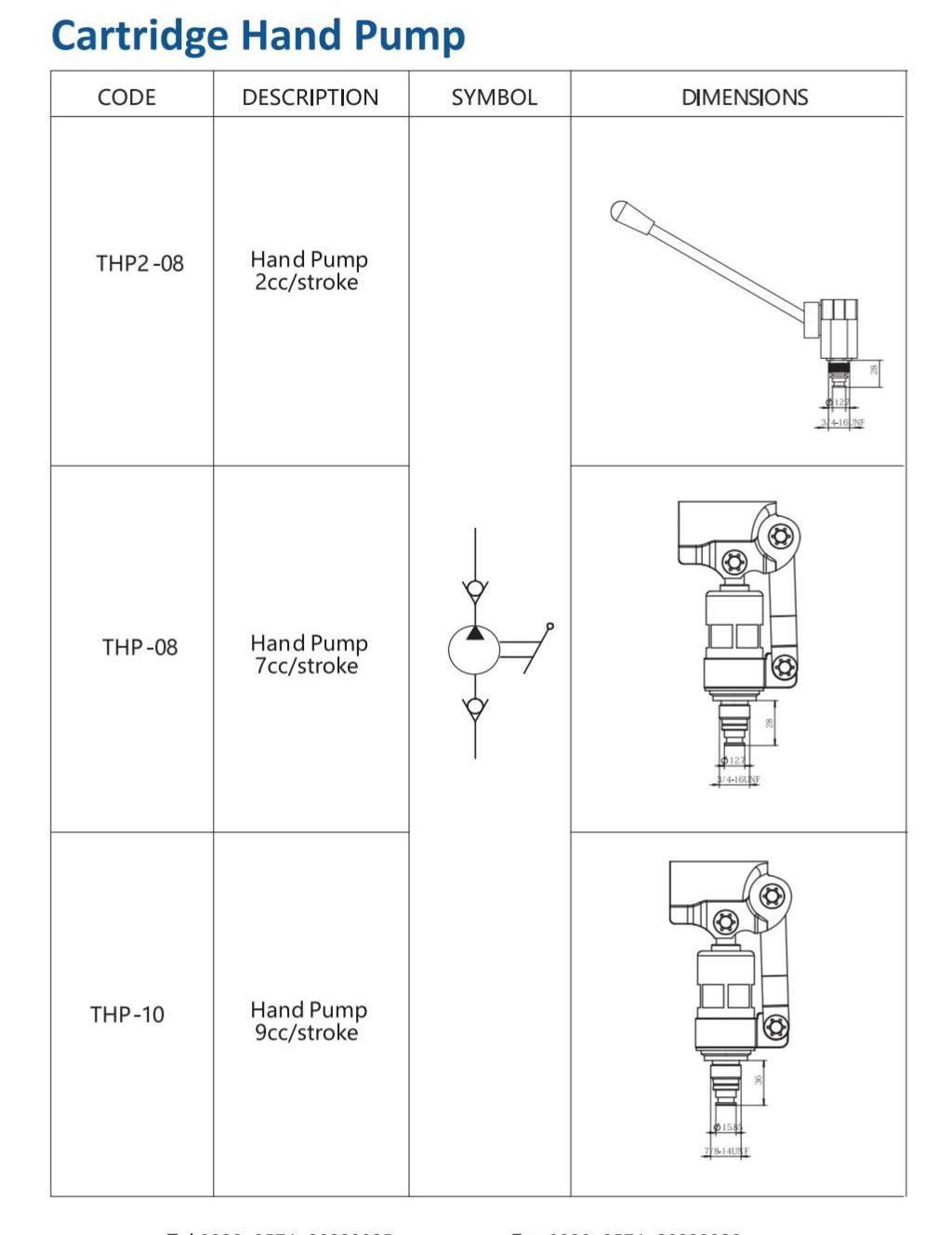
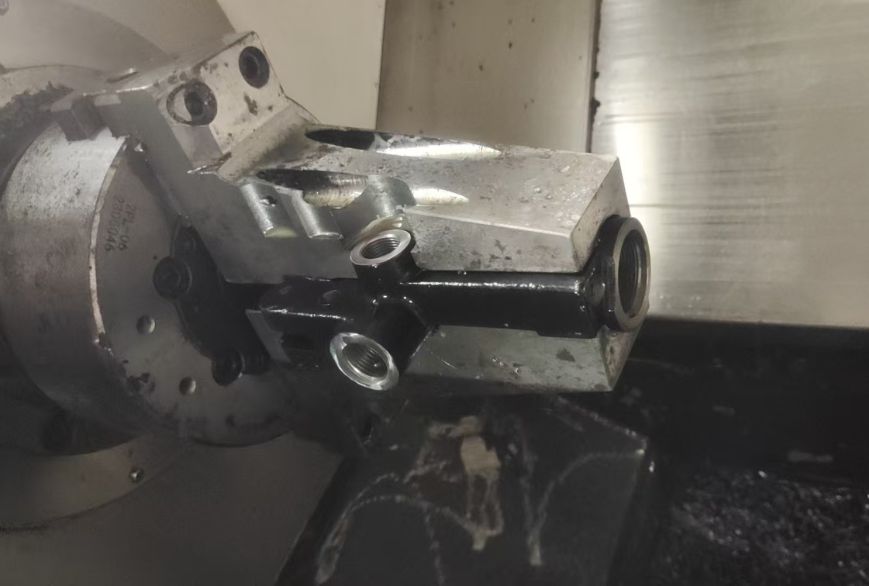
| Cartridge / in-line | Manifold drawing, cavity detail, passage layout and handle access. | Actual interface, installation envelope and circuit connections. |
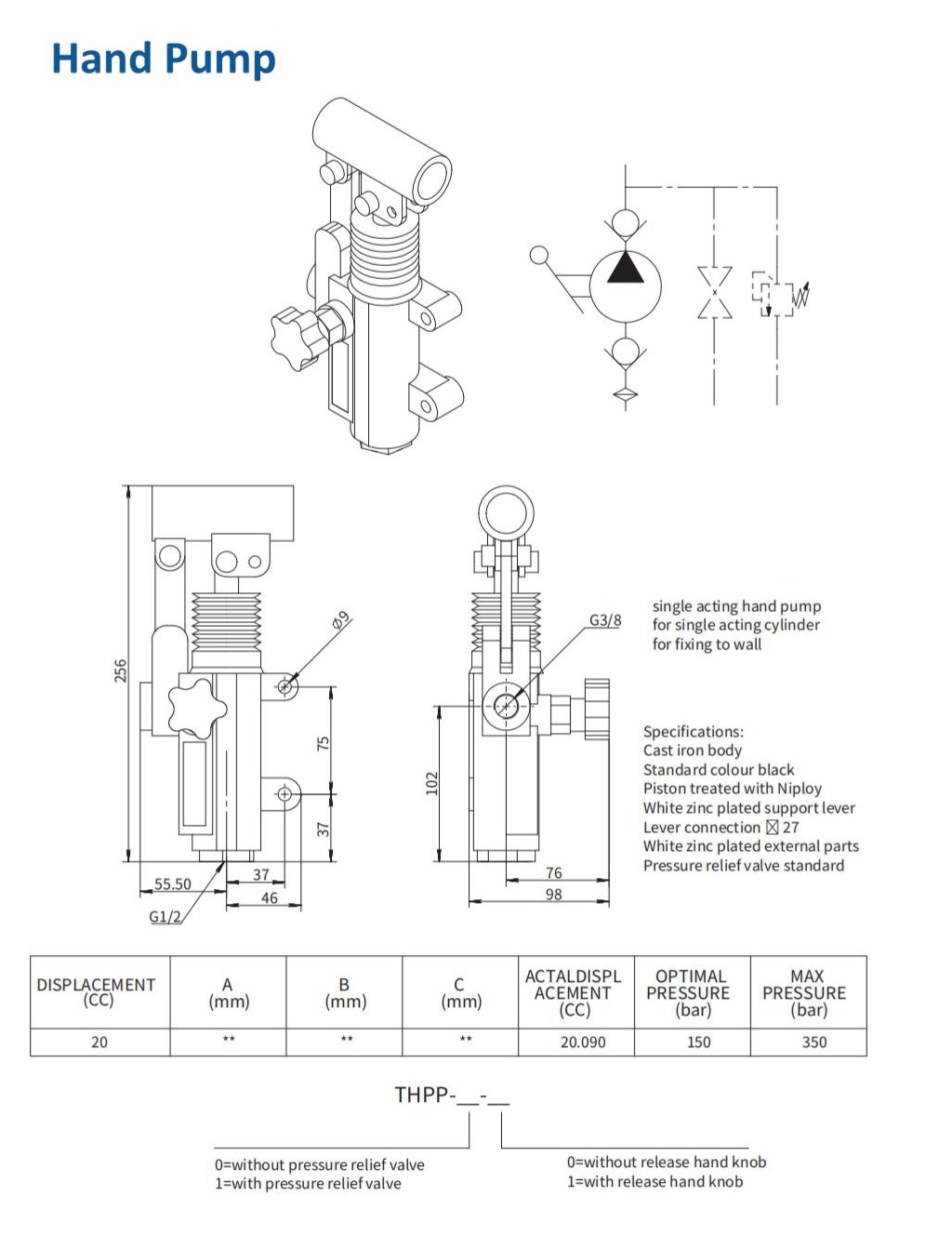
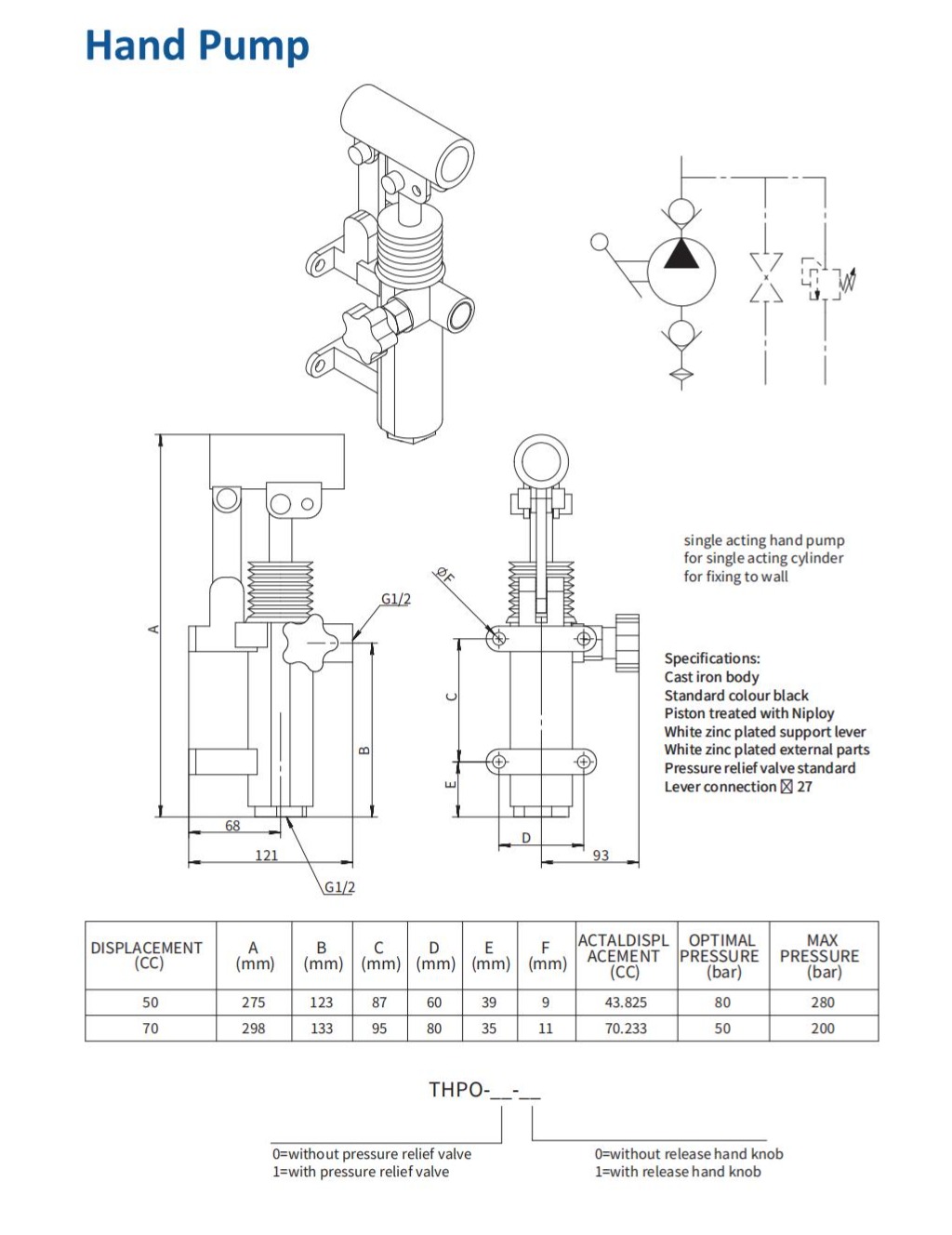
| Wall / remote mounted | Mounting surface, hose route, control position and available operating space. | Mounting dimensions, connections and practical operator access. |
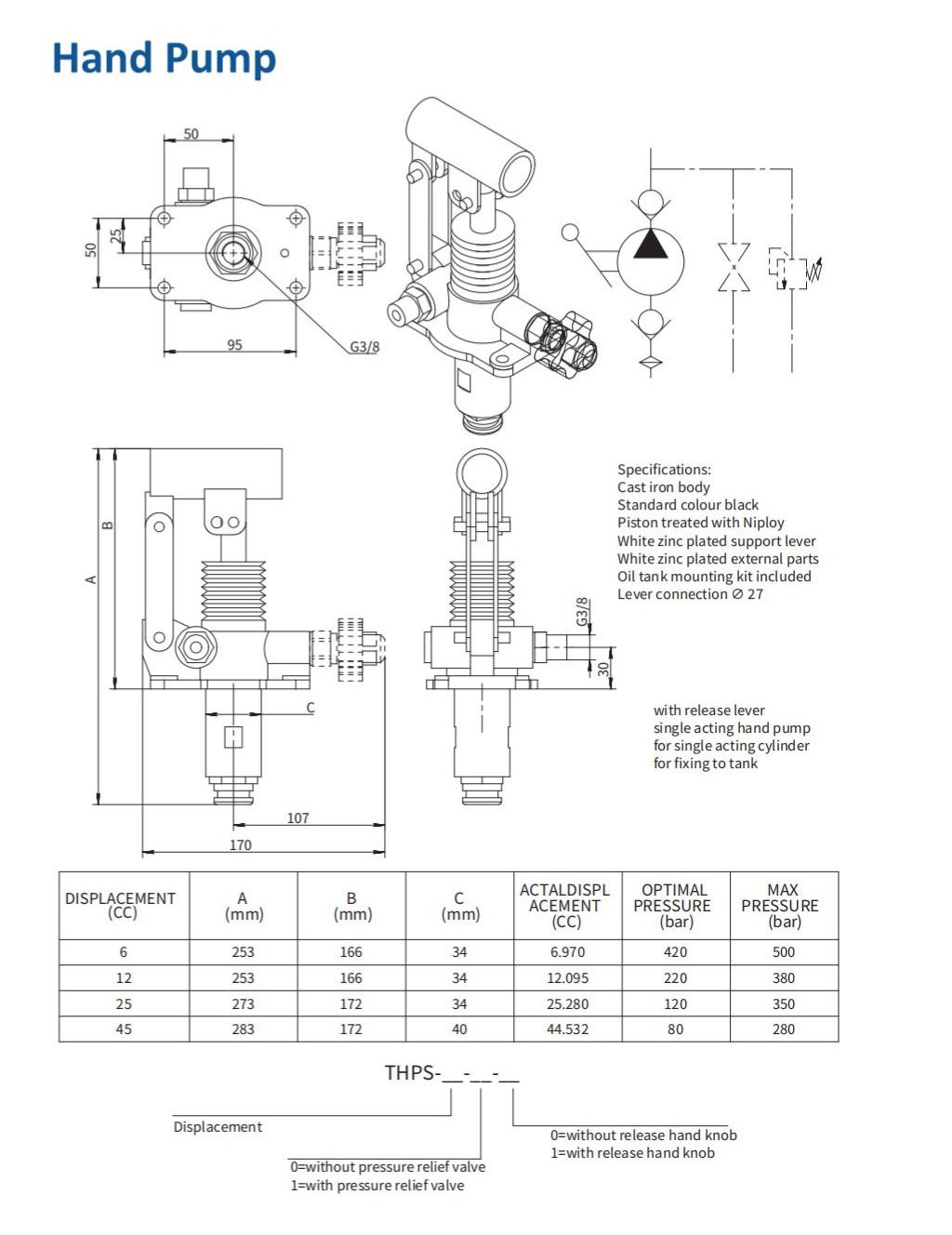
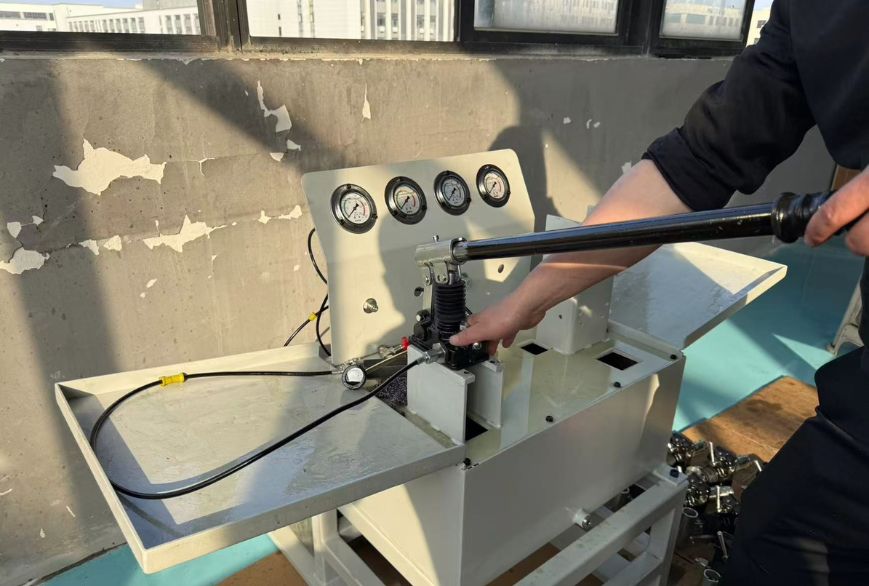
| Tank mounted | Reservoir layout, oil requirement, mounting orientation and return connection. | Usable oil capacity, fill/vent arrangement and pump integration. |
| Portable service arrangement | Handling needs, connection locations and the intended cylinder or tool. | Assembly suitability, operating instructions and equipment-specific acceptance. |
A portable hydraulic hand pump needs a defined installation and handling plan. Include where it will be placed during operation and how the operator will reach the controls. Portability does not establish a pressure, weight or duty rating.
How much oil must each pumping operation move?
For a hydraulic hand pump with reservoir, distinguish nominal tank size from oil that is actually available to the cylinder during the full stroke. Account for the cylinder configuration, hoses and return behavior. A tank label alone is not a check that the circuit has enough usable oil.
Displacement per stroke affects the number of handle strokes needed to move the required volume. Operator effort also depends on the working pressure and pump mechanism. A larger displacement is not automatically the more practical choice for every stage of an operation.
If a two-speed arrangement is being considered, define the approach stage and loaded working stage separately. Single-speed versus two-speed delivery is a different question from single-acting versus double-acting cylinder control. Confirm the selected pump’s actual delivery characteristics rather than assuming them from the family name.
Review the application rather than a generic compatibility claim
Selection of a hydraulic hand pump for press service begins with the cylinder circuit, working load, required travel and the equipment’s guarding and control requirements. Provide the press drawing or schematic; a general hand-pump product family is not an approval for a particular press.
For power-loss backup, specify what must still be possible when the main power source stops. Include how the manual branch is isolated from the powered branch and how unintended movement is prevented. Maintenance use and emergency operation can require different circuit states and acceptance checks.
Send a useful hand-pump enquiry
Use the existing enquiry form on this page to describe the cylinder type, required movement, working pressure, oil-volume requirement and preferred mounting arrangement. Attach the available drawing and identify the handle operating space and installation orientation. Add any existing model reference as a comparison input, not as an assumed compatible replacement.
The selected configuration, materials, dimensions and operating limits belong in the approved drawing and model documentation. Project-specific price, lead time and supply scope are confirmed through the enquiry; this page does not establish a fixed offer or a universal rating for all hydraulic hand pumps.
Existing product photographs and drawings
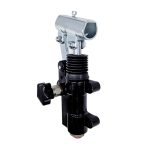
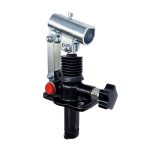
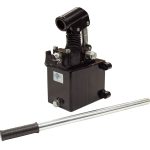
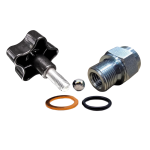
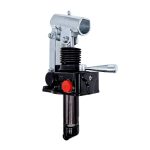
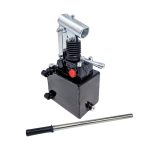
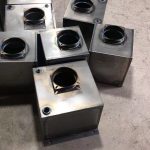
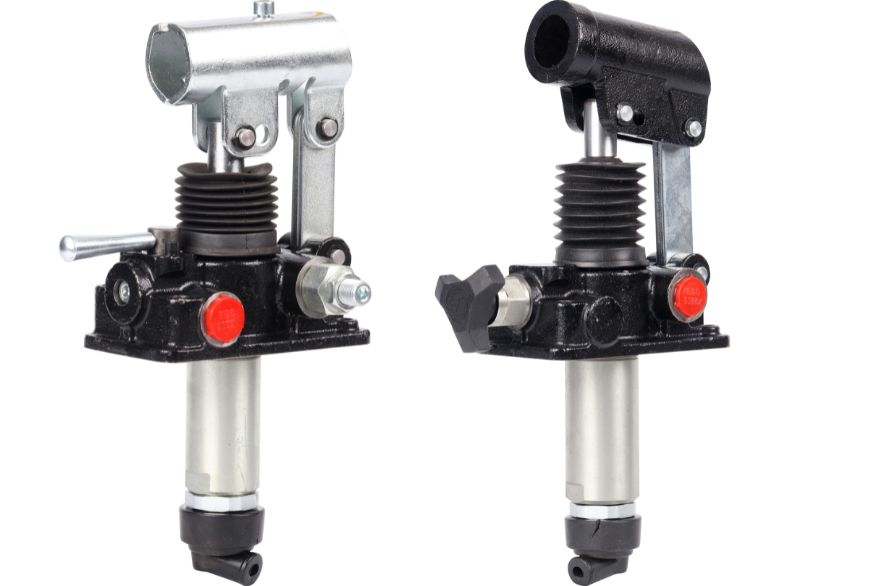
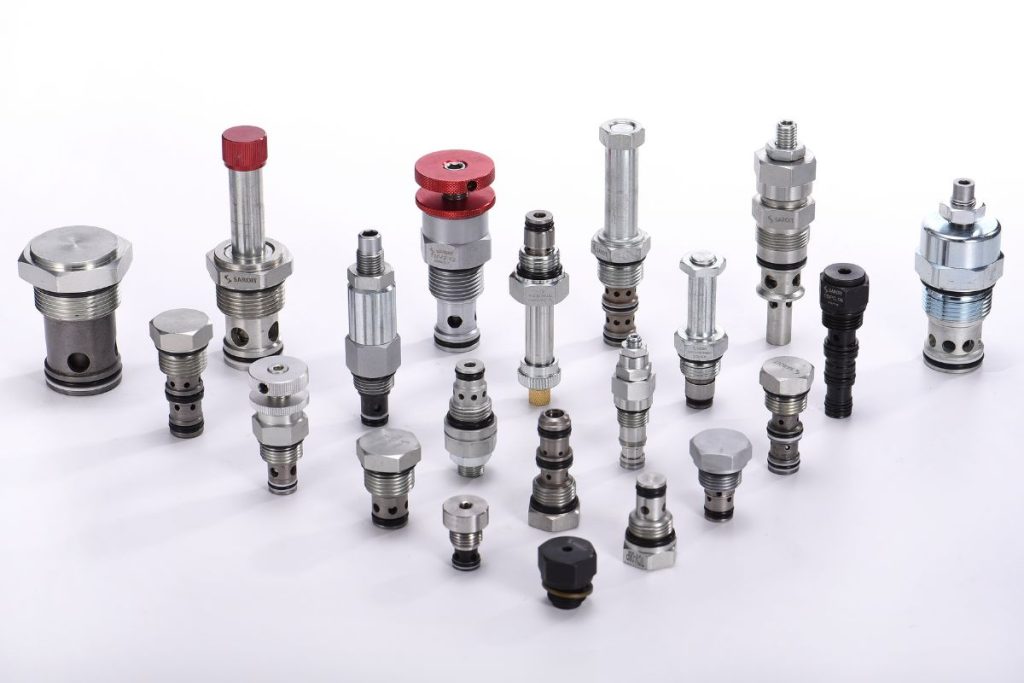
These retained catalogue images show configurations and interfaces. Confirm the exact model and drawing for the enquiry; an image is not a rating, test result or cross-brand compatibility approval.