
Double Acting Hydraulic Hand Pumps for Manual Circuits

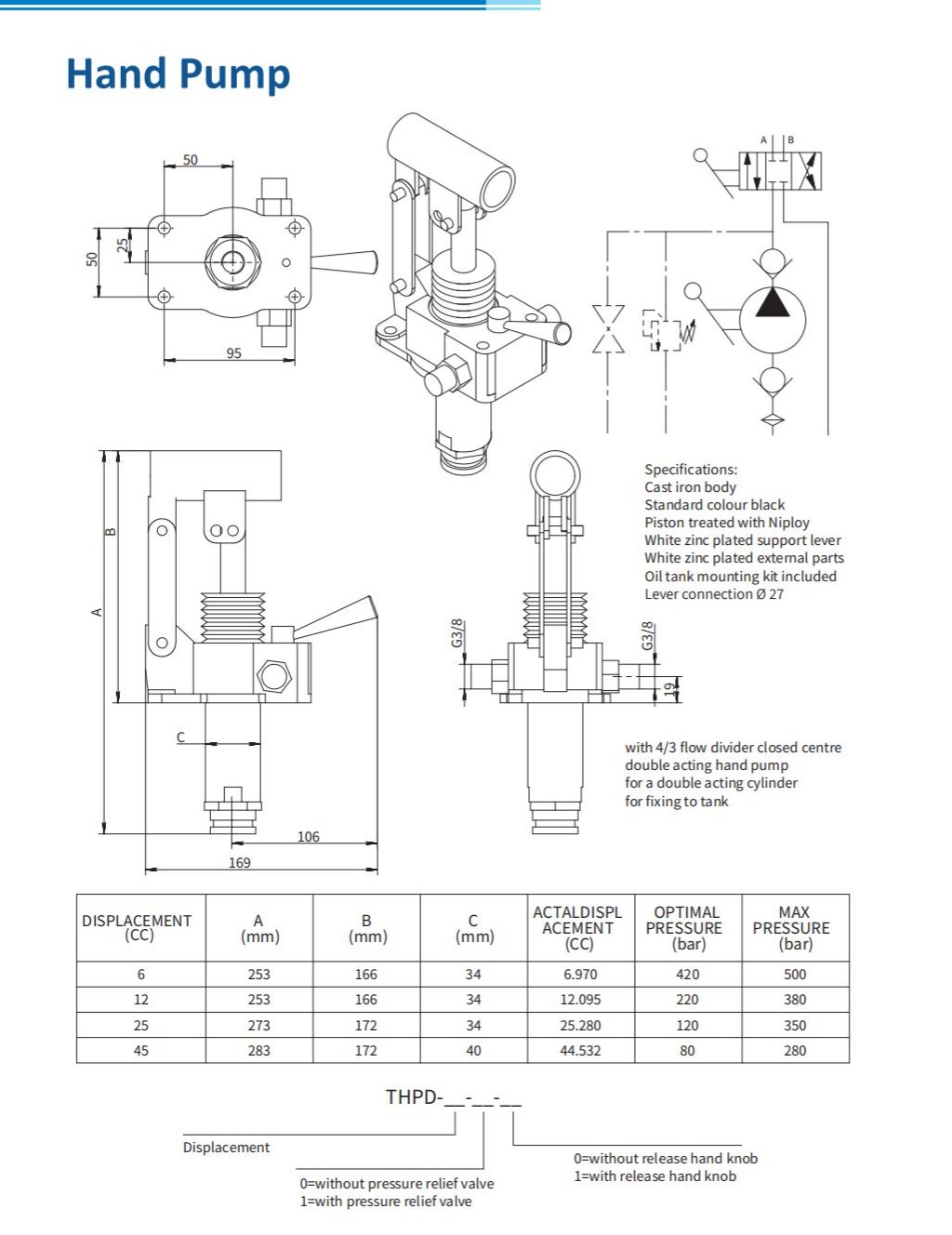
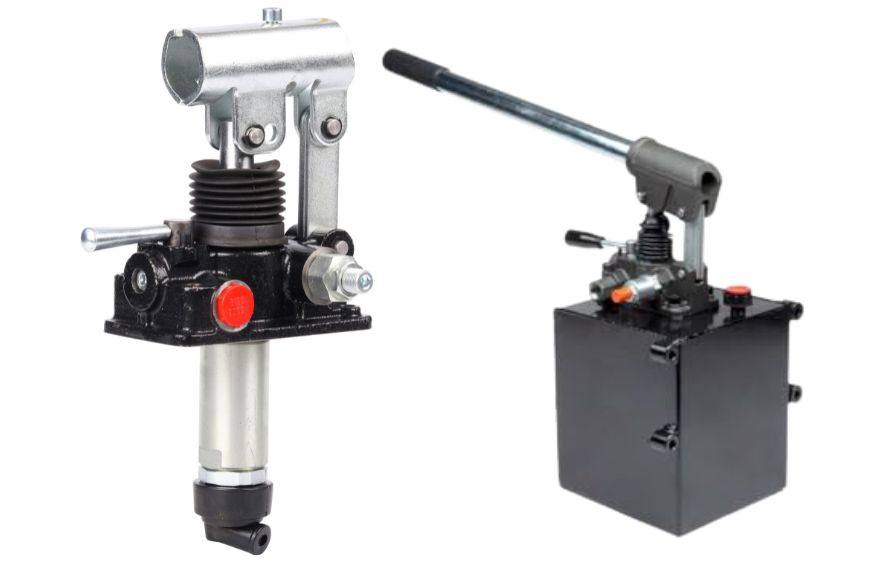
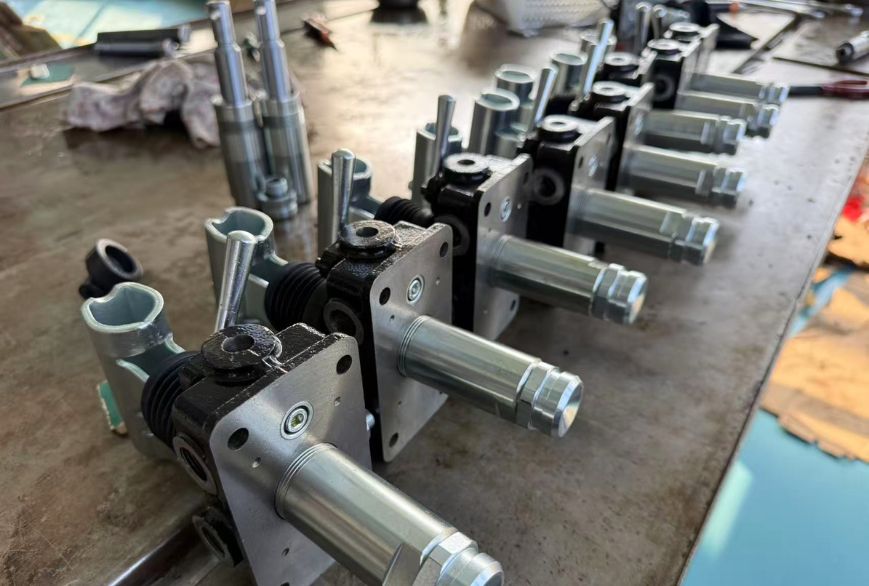
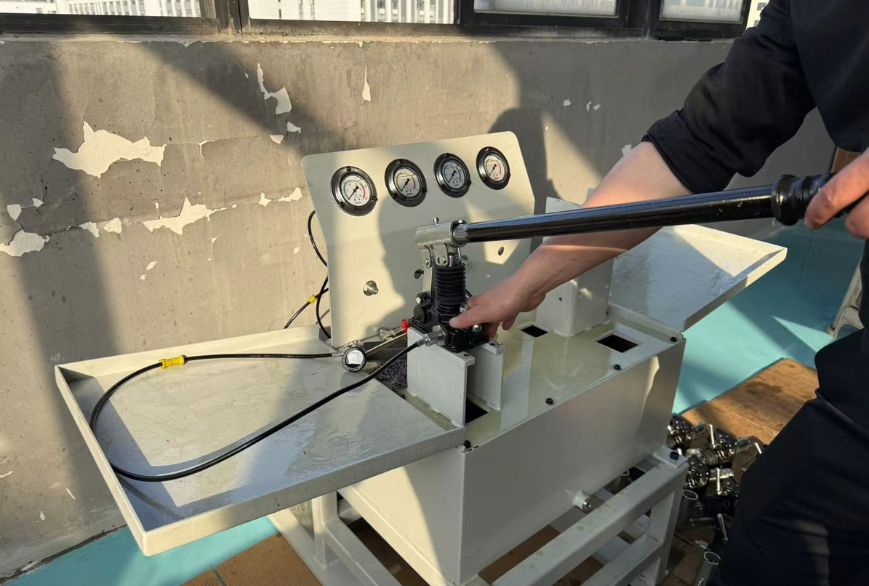
A double acting hydraulic hand pump is a manually operated pump configuration that must be selected together with its hydraulic circuit. HydrathPower presents tank-mounted hand-pump options for machinery, tooling and mobile systems. Specify how the pump delivers oil and how the actuator extends and returns; the pump label alone does not establish bidirectional cylinder control.

  • Pump action: Confirm delivery on each handle stroke from the selected model drawing.
  • Actuator action: State whether the cylinder is single acting or double acting and show its return path.
  • Interfaces: Provide operating pressure, displacement, tank mounting and port requirements.

For a hand-pump review, provide the existing cylinder and valve drawing as well as the pump or reservoir mounting details.

On small screens, scroll the table horizontally to read every column.

Configuration review inputs
DecisionInputs to provideWhy it matters
Manual operationDelivery per handle stroke and allowable handle effortCheck the model datasheet rather than infer performance from the name.
Actuator circuitCylinder type, extend/return paths and valve arrangementCylinder motion and pump-stroke action are different selections.
InstallationTank interface, ports, fluid and mounting clearanceMatch the pump to the reservoir and machine.
LimitsWorking pressure, relief setting and dutyConfirm the selected assembly and its limits.

Tank-Mounted Hand Pump Configuration Inputs

Compare displacement on the same basis

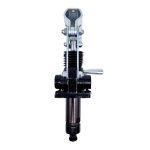
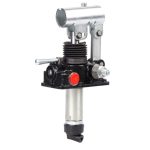
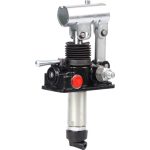
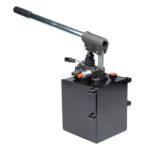
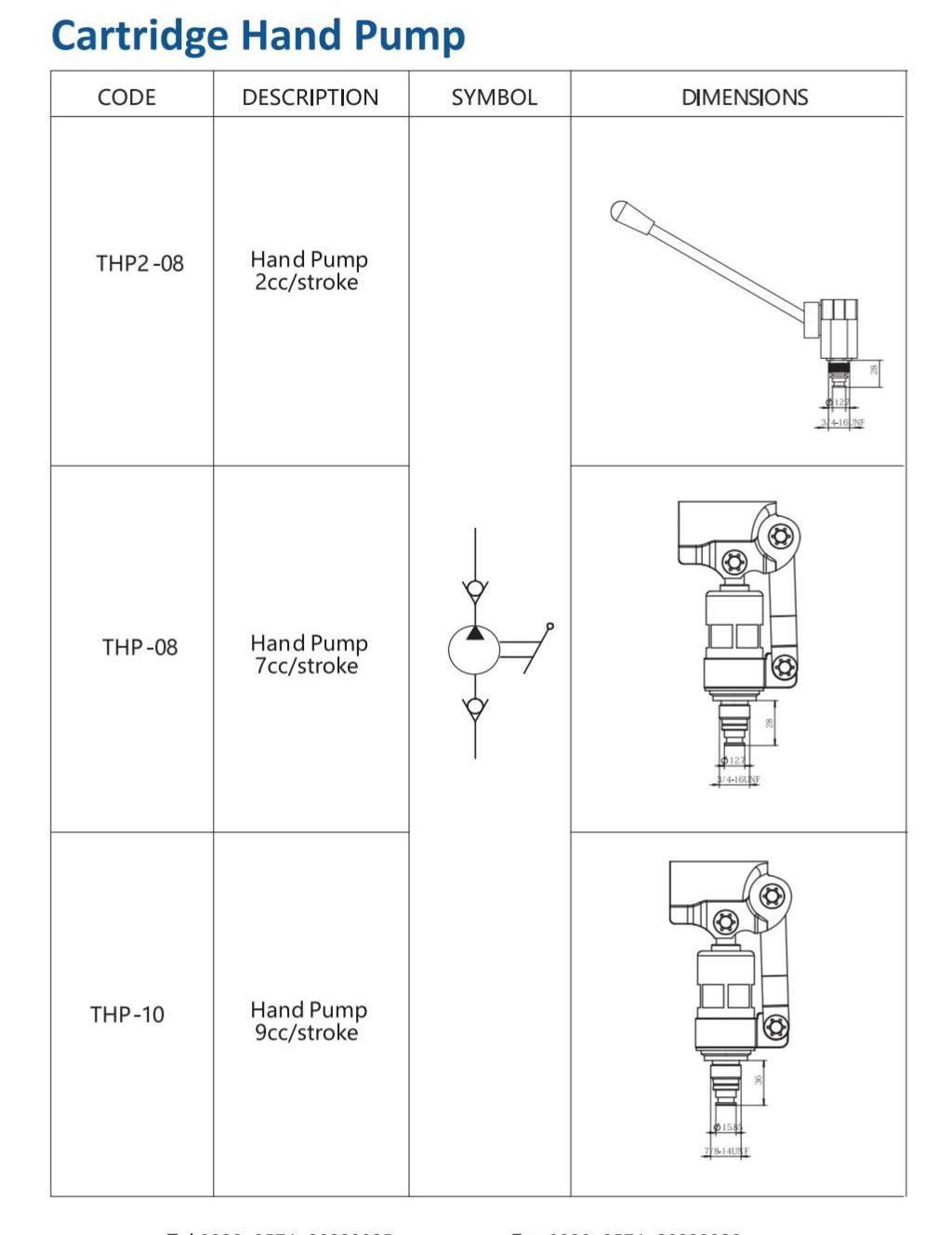
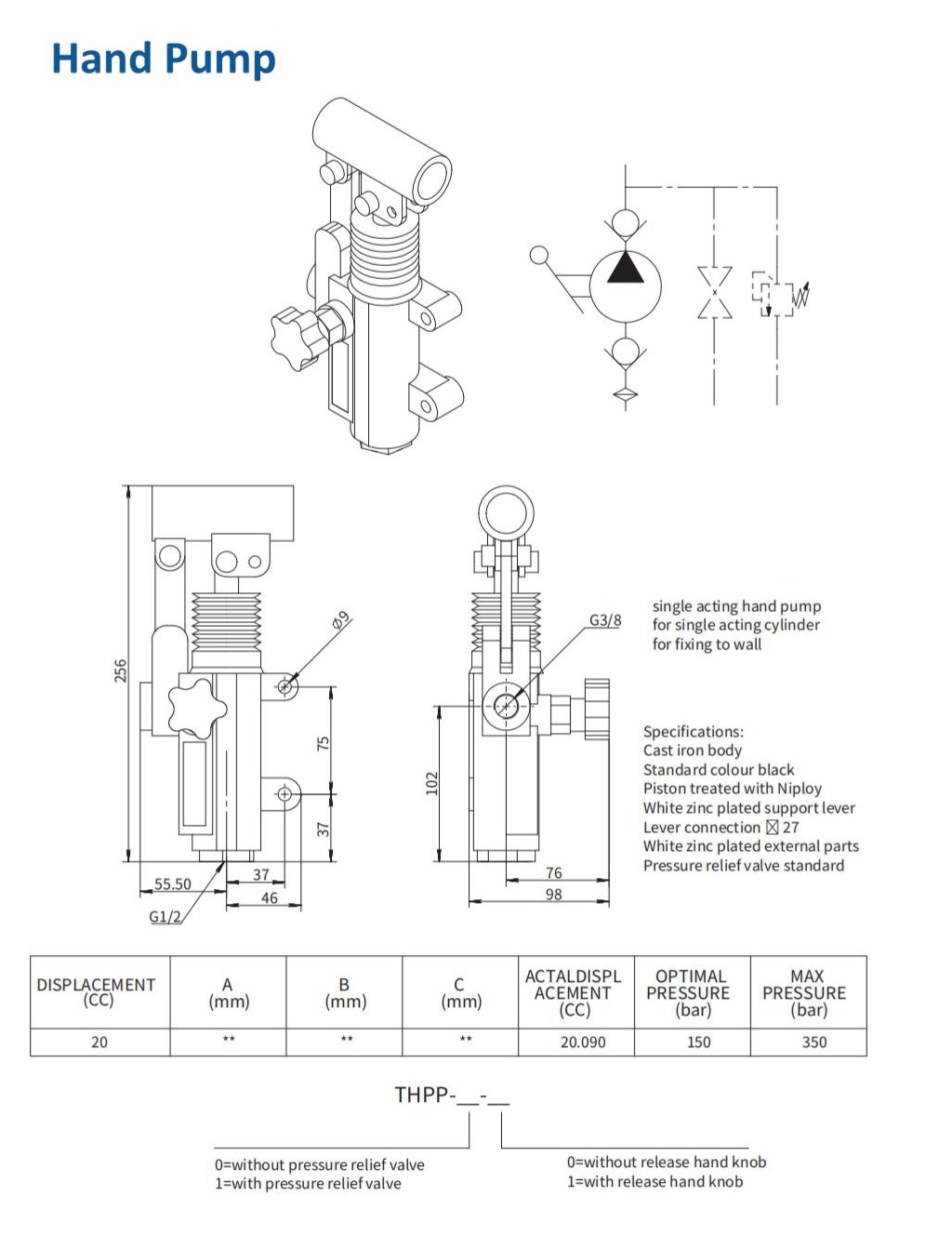
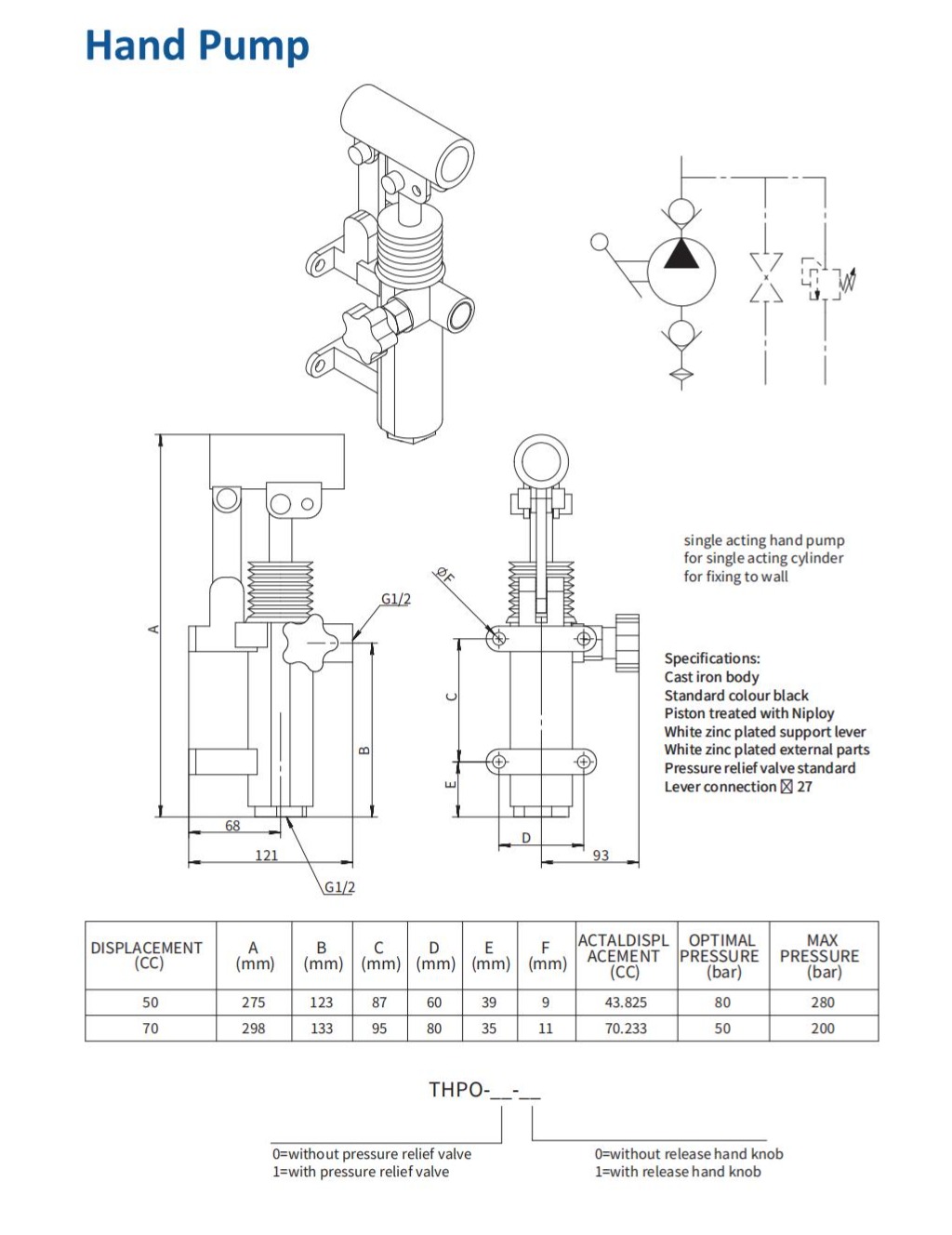
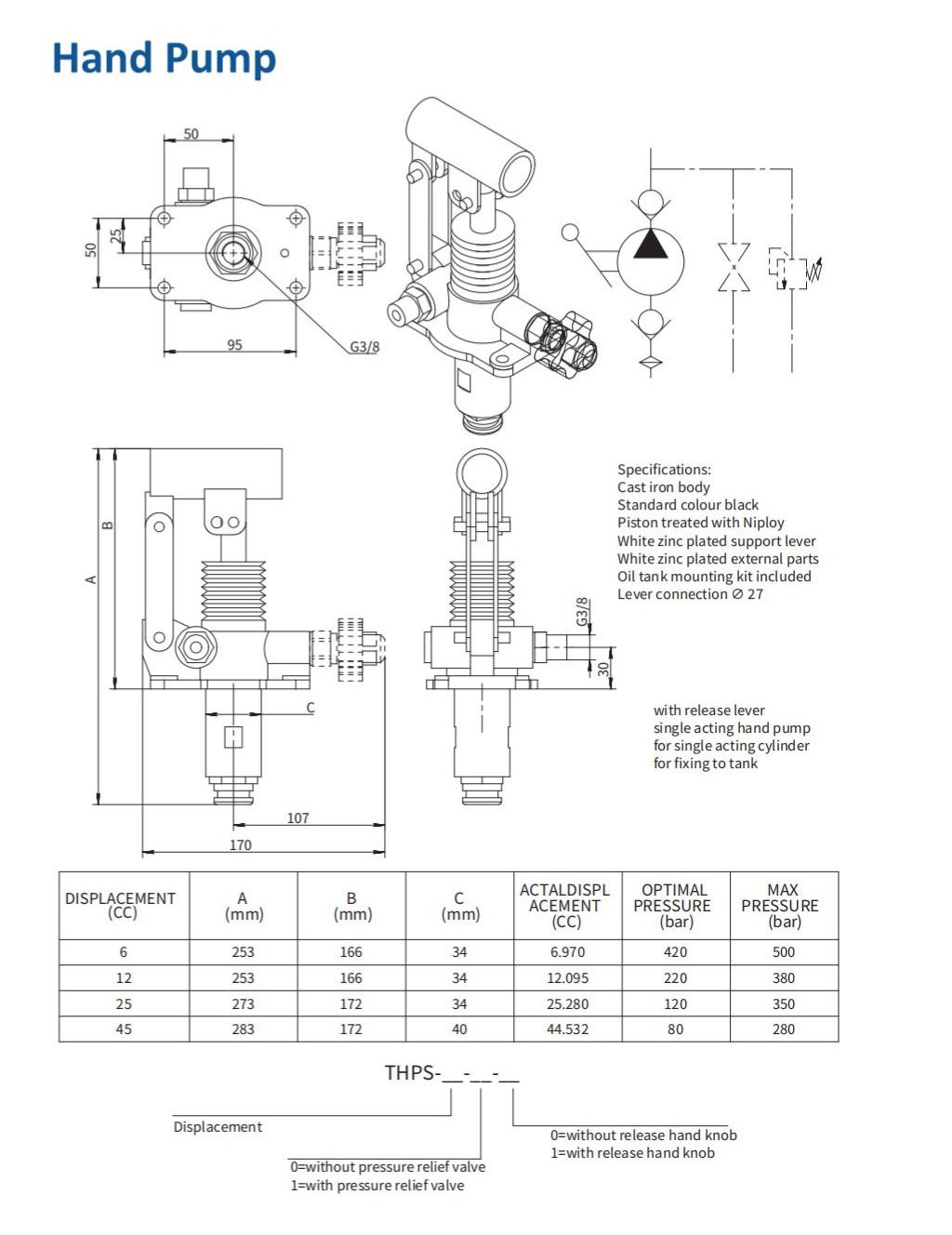
The existing product selection on this page includes labels of 12 cc, 25 cc and 45 cc, plus a hand-pump arrangement with a 3QTs tank. Treat these as configuration identifiers to confirm against the selected model drawing, not as a universal pressure or duty specification. Ask whether the stated displacement applies to one handle movement or a complete operating cycle.

Specify the manual operating task

Describe the cylinder, required movement, load and number of operations. Record handle travel, available clearance and the operator position. A manual pump used for occasional adjustment has a different operating brief from one used repeatedly during a production cycle.

Keep the pump and valve functions distinct

Delivery on both handle strokes does not by itself define which way a double-acting cylinder moves. Identify the directional-control, return and pressure-protection functions on the hydraulic schematic. Confirm what is included in the proposed assembly and what remains part of the machine.

Confirm reservoir and connection details

Send the tank interface, usable oil-volume requirement, suction arrangement, working ports and mounting drawing. Identify the hydraulic fluid, temperature and external exposure. Materials, seals, gauge connection and relief arrangement must be confirmed for the selected configuration before ordering.

Prepare an enquiry that can be checked

  • Existing model or drawing, if this is a replacement.
  • Actuator dimensions, required force and movement.
  • Pressure requirement and definition of pump displacement.
  • Handle space, reservoir interface and port details.
  • Requested inspection records and drawing revision.
Review Your Manual Pump Installation

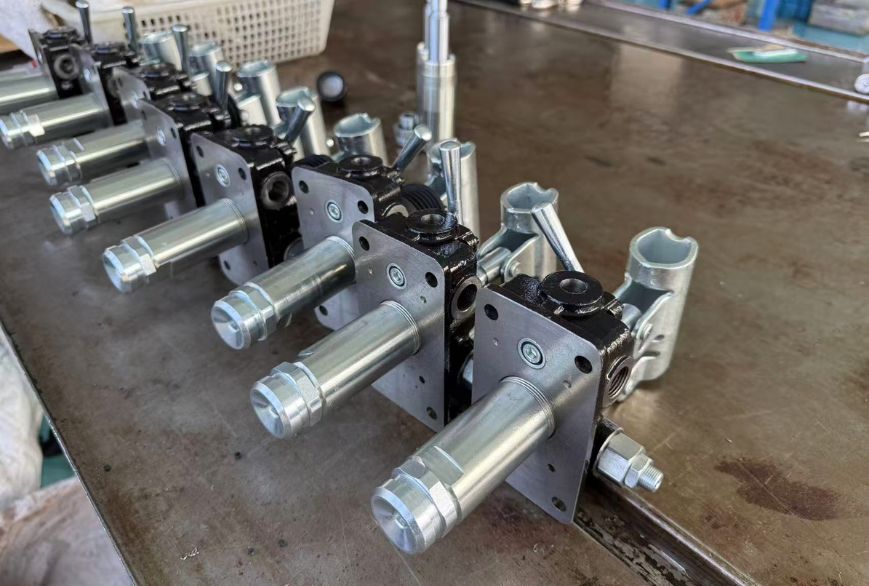
For a manual-pump discussion, send the hydraulic schematic, reservoir mounting drawing and required actuator movement. Identify available handle clearance and the expected number of operations. Confirm any meeting and document requirements directly with HydrathPower rather than relying on an exhibition photograph.

FAQ

What differentiates double-acting from single-acting hand pumps?

Pump-stroke action and cylinder action are separate concepts. Confirm whether the chosen hand pump delivers oil on one or both handle strokes, then confirm the directional valve and actuator return circuit. A single-acting pump does not, by that fact alone, require a single-acting cylinder; use the selected circuit drawing to establish the motion.

Compare displacement per specified handle stroke with the oil volume needed for the actuator movement. Larger displacement can reduce the number of strokes, but the required handle effort and permitted pressure must be checked for the selected model. Ask how displacement is defined and supply the desired movement time, operator access and cylinder geometry.

Get an Instant Quote Now

RELATED

Related Component

Looking for Reliable Hydraulic Solutions?

Let Our Engineering Experts Support You – Anytime.

Scroll to Top

Contact Us