Hydraulic Directional Control Valves
What Is a Hydraulic Directional Control Valve?
A hydraulic directional control valve routes fluid between pressure, tank and actuator ports to control motion.
HydrathPower reviews spool function, center position, actuation and mounting.
Leakage, pressure limits and load behavior must be confirmed for the selected valve and circuit.
Directional Control Valve Selection Factors
- Smooth operation and low leakage
- Customizable spool functions and center positions
- High‑pressure performance for mobile/industrial use
- Solenoid, lever, button, proportional actuation
- Monoblock, sectional, multi‑spool (1/4/7‑spool) options


Applications
- Construction(loaders, excavators, bulldozers)
- Agriculture(implements and attachments)
- Industrial automation(conveyors, robotic arms)
- Mobile equipment.
In addition, aerospace and precision manufacturing benefit from smooth, efficient flow routing.
Types & Configurations
Spool Directional Valve
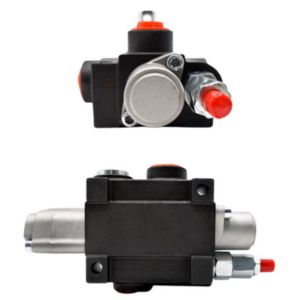
A cylindrical spool shifts within the body to open/close specific flow paths. Common configurations include:
- 2‑way:Allow/block flow in one path
- 3‑way:Route from one source to two distinct pathways
- 4‑way:Selectively direct fluid to A/B ports(often 3‑position)
- 5‑way:Adds an extra port for exhausting or special routing
Poppet Directional Valve
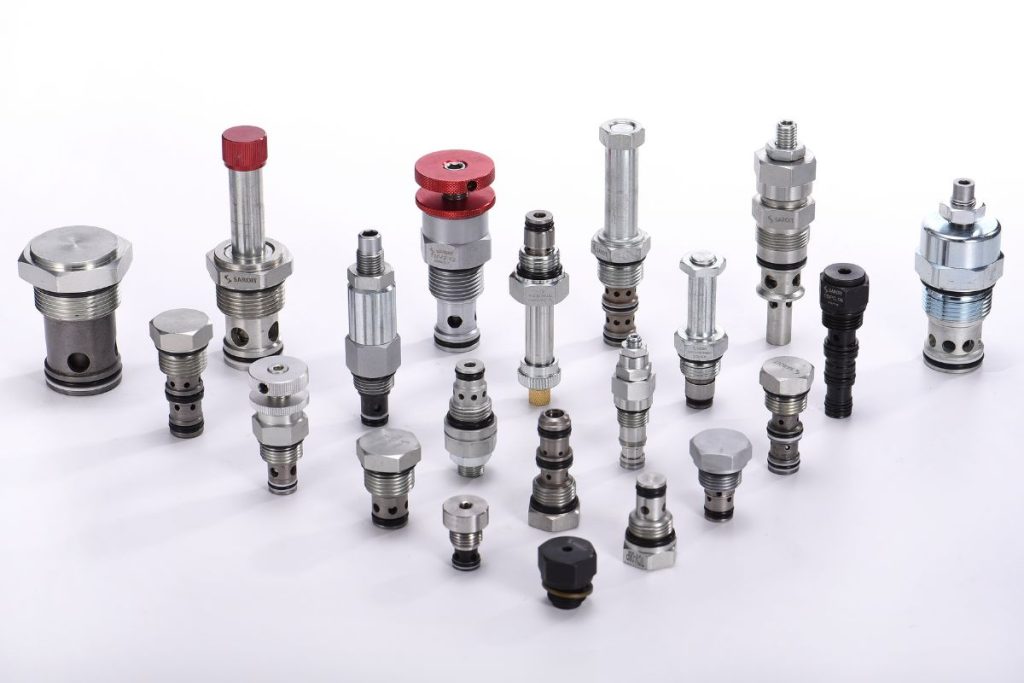
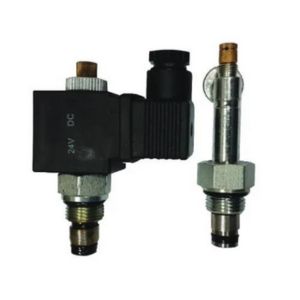
Cone‑shaped poppets regulate flow with very low leakage. Therefore, they suit high‑pressure or critical systems. Options include direct‑acting and pilot‑operated.
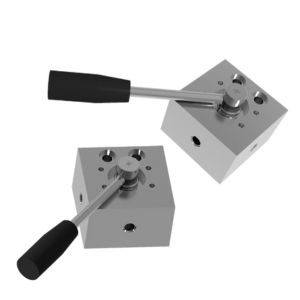
Rotary Directional Valve
A rotating cylinder or element redirects flow via rotary motion; meanwhile, compact packages fit space‑constrained layouts.
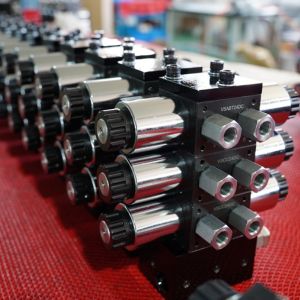
Actuation Methods
- Solenoid(automation)
- lever/button(manual control)
- proportional(fine modulation)
Choose based on sensitivity, response, and duty cycle.
Meet Us on The Trade Show
Hydrath attends exhibitions worldwide every year:
Hannover Messe
PTC ASIA
Bauma CHINA
You are welcome to book a visit to our exhibitions.
Monoblock vs Sectional vs Multi‑spool
Monoblock integrates all sections in one body for compactness;
Sectional stacks configurable slices for serviceability and modular growth;
Multi-spool blocks (1‑spool/4‑spool/7‑spool) enable simultaneous multi‑actuator control.
Selection Guide
- Define way/position:2‑way/3‑way/4‑way/5‑way;2‑position/3‑position
- Choose actuation:solenoid / lever / button / proportional
- Specify spool functions:A/B port logic, center positions(open/closed/float/pressure
- Rate flow & pressure:match pump capacity and actuator requirements
- Pick material:cast‑iron for robustness and corrosion resistance
- Plan porting:P/T/A/B routing and manifold interface
- Decide form factor:monoblock vs sectional;single‑spool / 4‑spool / 7‑spool