
Features
Air Driven Hydraulic Power Unit
- Explosion‑proof pneumatic drive: Safe in hazardous zones with no electrical ignition sources.
- Automatic stall and long pressure hold: Holds set pressure with zero energy consumption during hold.
- Precise outlet pressure via pump ratio: Outlet pressure equals air pressure times pump ratio.
- Optional accumulator for pressure stability: Smooths transients, reduces pulsation for consistent results.
- Compact, portable, low maintenance design: Lightweight frame, simple installation for portable use.
Air-Driven Hydraulic Power Unit OEM Requirements
Hydrath is your trusted Pneumatic Hydraulic Power Unit engineering partner, supporting CAD reviews and seamless integration with existing frames, cylinders and manifolds.
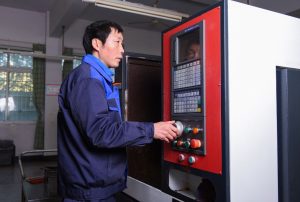
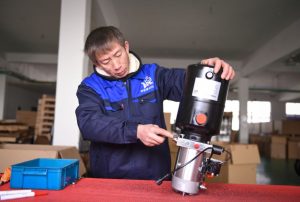
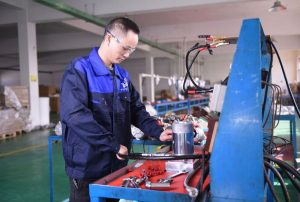
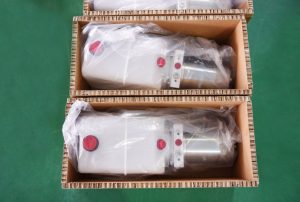
Each unit is 100% inspected on pressure/flow benches for consistent performance. Clean, dry 3–10 bar air drives our air powered hydraulic pumps to 700 bar/10,000 psi with automatic stall and long pressure hold.
With a compact footprint and service‑friendly layout, installation stays fast and dependable for hydrostatic testing, bolt tensioning and workholding applications.
| Parameter | Typical Value |
|---|---|
| Pressure rating | Up to 700 bar (10,000 psi) |
| Flow rate | 0.1–8 L/min |
| Air supply | 3–10 bar, clean and dry |
| Drive principle | Air‑driven reciprocating liquid pump |
| Media compatibility | Hydraulic oil, water/glycol, select chemicals |
| Seal options | NBR, EPDM, PTFE |
| Temperature range | −10°C to +60°C typical |
| Ports | 1/4″–1/2″ BSPP or NPT |
| Accumulator | Optional |
| Noise level | Low–medium |
| Compliance | ATEX project‑specific |
| Construction | Aluminum or stainless steel |

Application
Hydraulic Power Packs Applications


Agriculture & livestock
- Lifting
- Feeding
- Rural automation systems

Meet Us on The Trade Show
Hydrath attends exhibitions worldwide every year:
Hannover Messe
PTC ASIA
Bauma CHINA
You are welcome to book a visit to our exhibitions.
What is an air driven hydraulic power unit and when should I use it?
An air driven hydraulic power unit (pneumatic hydraulic power unit) converts clean, dry compressed air (3–10 bar) into hydraulic power using an air‑driven reciprocating liquid pump.
It excels in hazardous or explosion‑risk environments, hydrostatic pressure testing, bolt tensioning, valve actuation and workholding, thanks to automatic stall at set pressure and long pressure hold with minimal energy use.
It excels in hazardous or explosion‑risk environments, hydrostatic pressure testing, bolt tensioning, valve actuation and workholding, thanks to automatic stall at set pressure and long pressure hold with minimal energy use.
How do I size the pump ratio and air supply for target pressure?
Outlet pressure ≈ air supply pressure × pump ratio. For example, to reach 700 bar with 7 bar air, choose ~100:1 pump ratio.
Ensure adequate air flow, duty cycle margin, and consider an accumulator to smooth pressure transients for stable readings.
Ensure adequate air flow, duty cycle margin, and consider an accumulator to smooth pressure transients for stable readings.
What air quality is recommended and why does it matter?
Use clean, dry air with regulator, filter and dryer;
follow PNEUROP 611/1984 quality class 3–4 to maximize seal life and reliability.
Dry air avoids emulsification and extends service intervals; an air muffler reduces noise.
follow PNEUROP 611/1984 quality class 3–4 to maximize seal life and reliability.
Dry air avoids emulsification and extends service intervals; an air muffler reduces noise.
Are air driven HPUs suitable for ATEX and hazardous areas?
Yes, air drive eliminates electrical ignition sources. Many air driven pumps are available with EX markings and conformity declarations for use in explosive atmospheres. Always confirm zone classification and documentation per project
Which media are compatible and how do I choose seal materials?
Typical media include hydraulic oils, water/glycol, and select chemicals.
Choose seal materials (NBR, EPDM, PTFE) based on fluid compatibility and temperature; some models offer special seals for water or chemicals.
Choose seal materials (NBR, EPDM, PTFE) based on fluid compatibility and temperature; some models offer special seals for water or chemicals.
How does automatic stall and long pressure hold reduce energy use?
Air driven pumps automatically stall at the set pressure, consuming no energy during hold.
With an accumulator, the system maintains stable pressure and restarts only to compensate for leakage or transients, minimizing air consumption.
What typical specifications should I expect from a pneumatic HPU?
Common ranges are up to 700 bar (10,000 psi), flows 0.1–8 L/min, air supply 3–10 bar; ports in BSPP/NPT; optional accumulator; aluminum/stainless constructions. Higher pressures/flows are available via alternative ratios or multi‑head configurations.
What are best‑practice installation and maintenance tips?
Mount pumps close to the fluid reservoir (short suction path), use a 100‑mesh inlet filter, avoid air line lubricators (many pumps are permanently lubricated), and include an air muffler.
Verify regulator setpoints and leak‑free fittings; schedule seal inspections based on duty cycle.
Verify regulator setpoints and leak‑free fittings; schedule seal inspections based on duty cycle.
Get an Instant Quote Now
RELATED
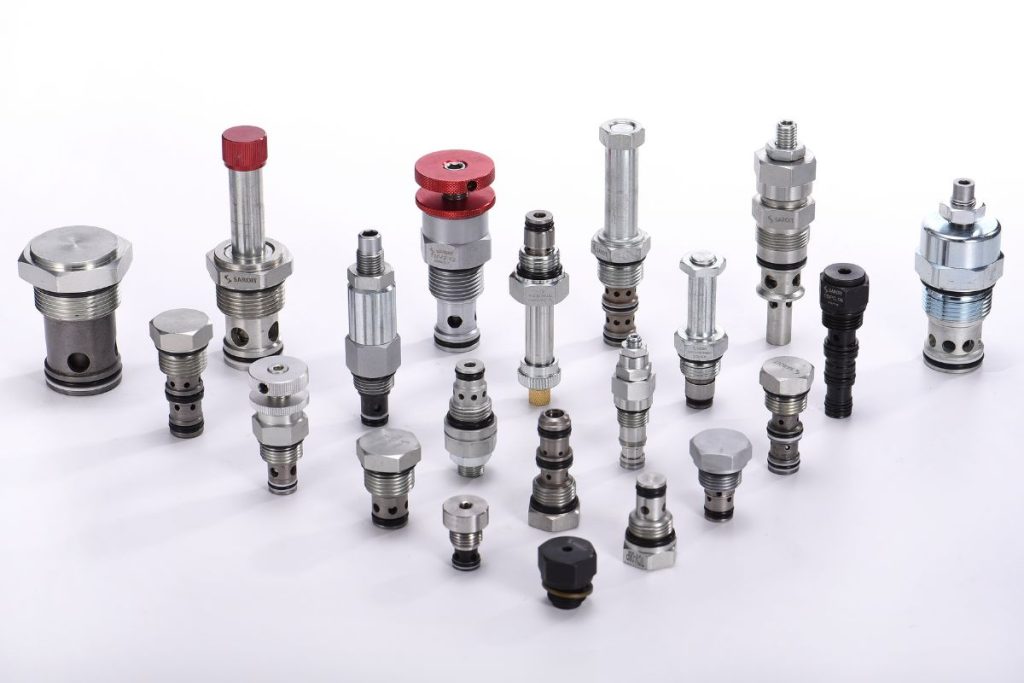
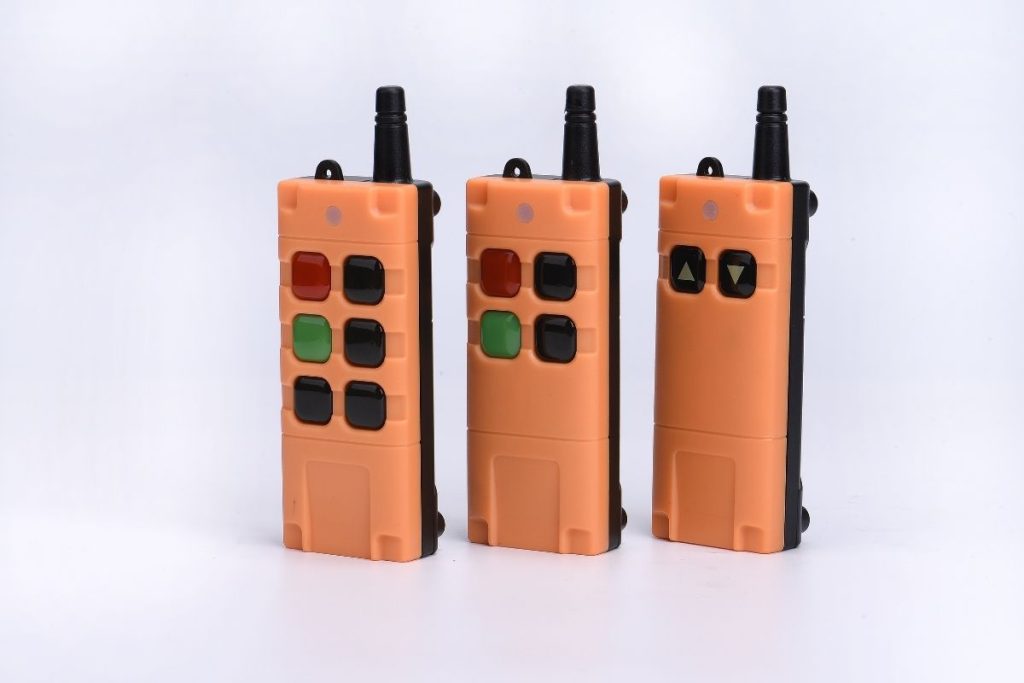
Related Hydraulic Components


Looking for Reliable Hydraulic Solutions?
Let Our Engineering Experts Support You – Anytime.