Hydraulic Power Unit Manufacturer for Custom OEM Systems
HydrathPower reviews project-specific hydraulic power units for OEM equipment by coordinating the motor, pump, reservoir, manifold, valves and controls around the machine duty. To start a configuration review, provide actuator loads and motion, pressure and flow points, electrical supply, duty cycle, circuit logic, interfaces and available space; final specifications require project evidence and an approved drawing.
OUR PRODUCT
Custom Hydraulic Power Unit Configurations

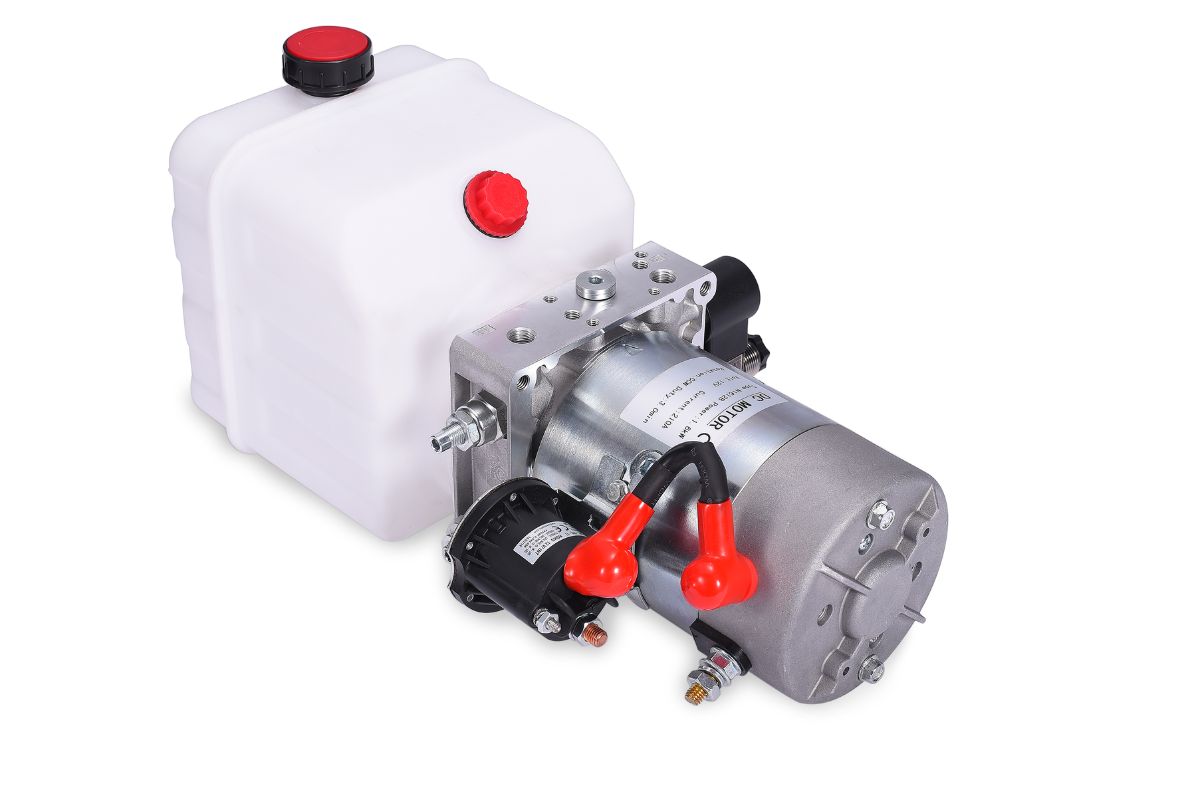
DC Hydraulic Power Unit
A DC hydraulic power unit is a compact power pack built for mobile equipment and battery-driven systems. Common options include 12V, 24V, or 48V motors with stable pressure control and quick response. Setups cover low-to-medium flow and high working pressure for lifts, dump trailers, tailgates, and small machines.
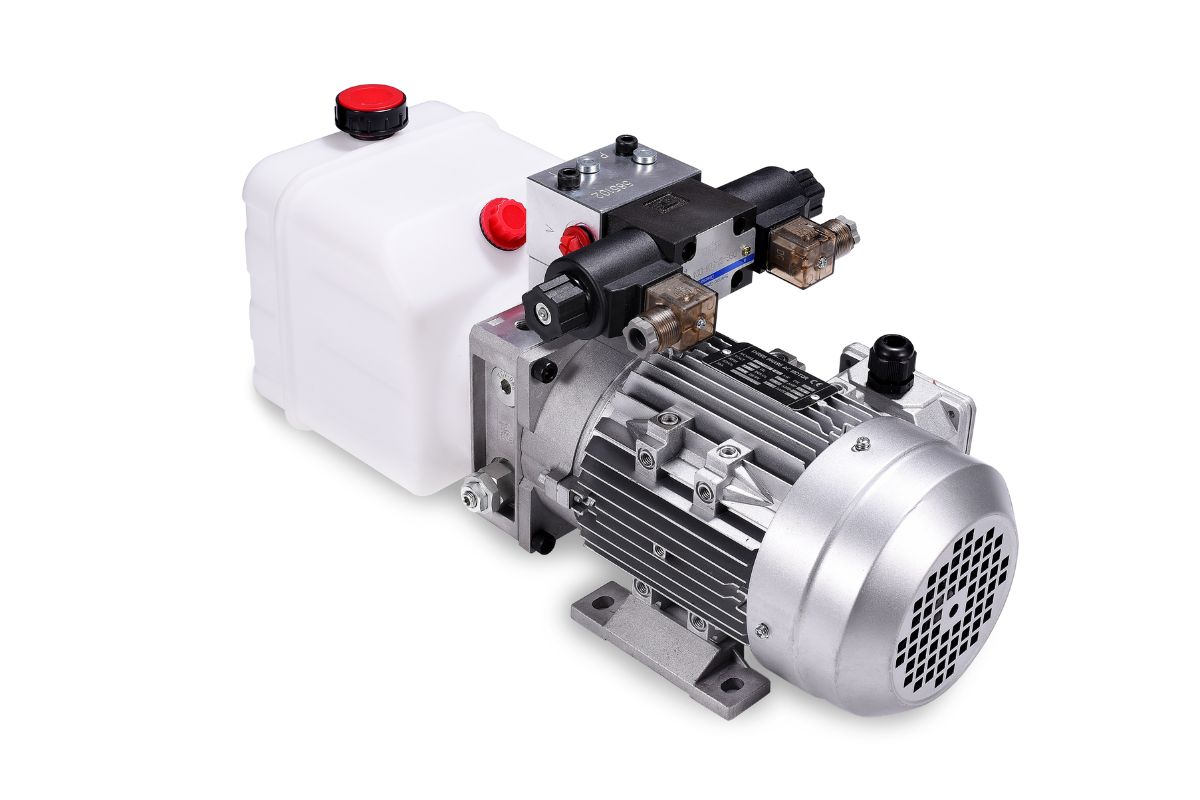
AC Hydraulic Power Unit
An AC hydraulic power unit is designed for continuous, stable hydraulic power in workshops and industrial installations. Popular voltages include 110V and 220/380V, with motor sizes selected to match required flow and duty cycle. It supports clean manifold layouts and reliable pressure regulation for dock levelers, scissor lifts, presses, and automation equipment.
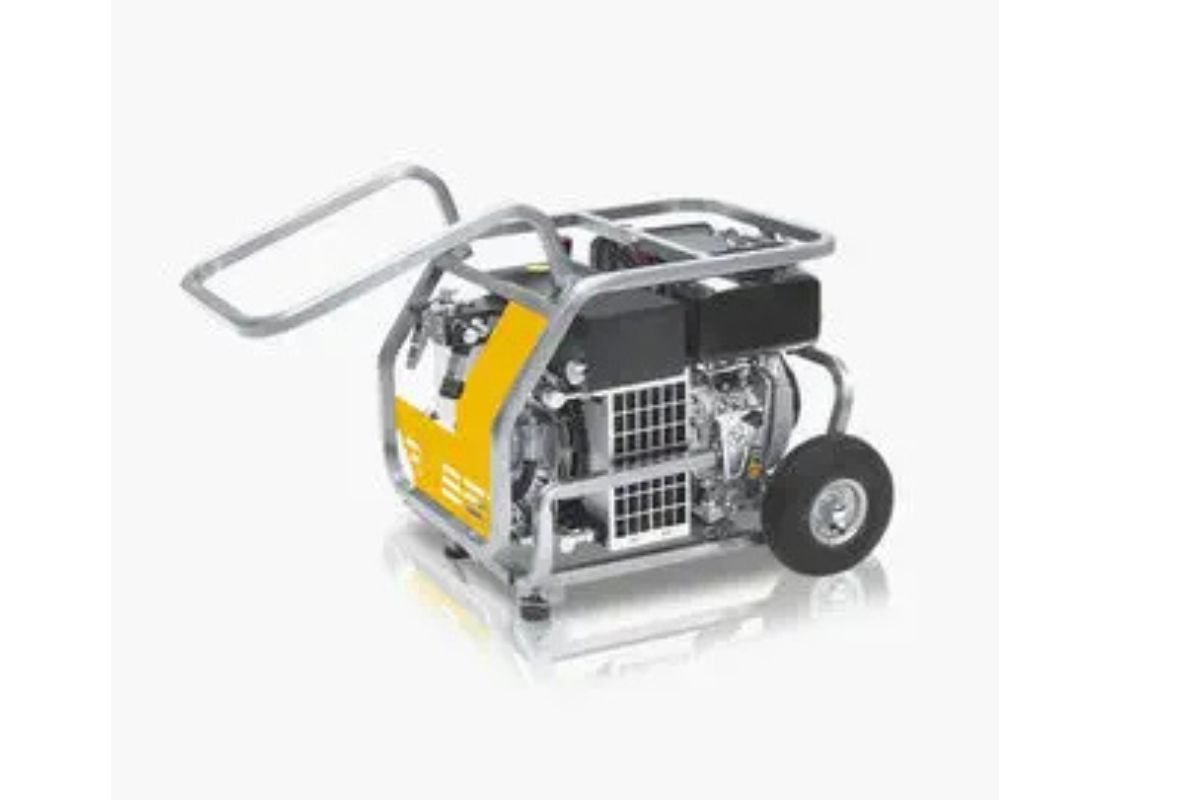
Diesel Hydraulic Power Unit
A diesel hydraulic power unit delivers strong, independent hydraulic power when grid electricity is unavailable. Built with a robust diesel engine, pump, reservoir, and protective frame, it provides steady flow and pressure for remote construction, mining, offshore service, and emergency applications. Typical configurations focus on durability, easy maintenance, and dependable performance in harsh environments.
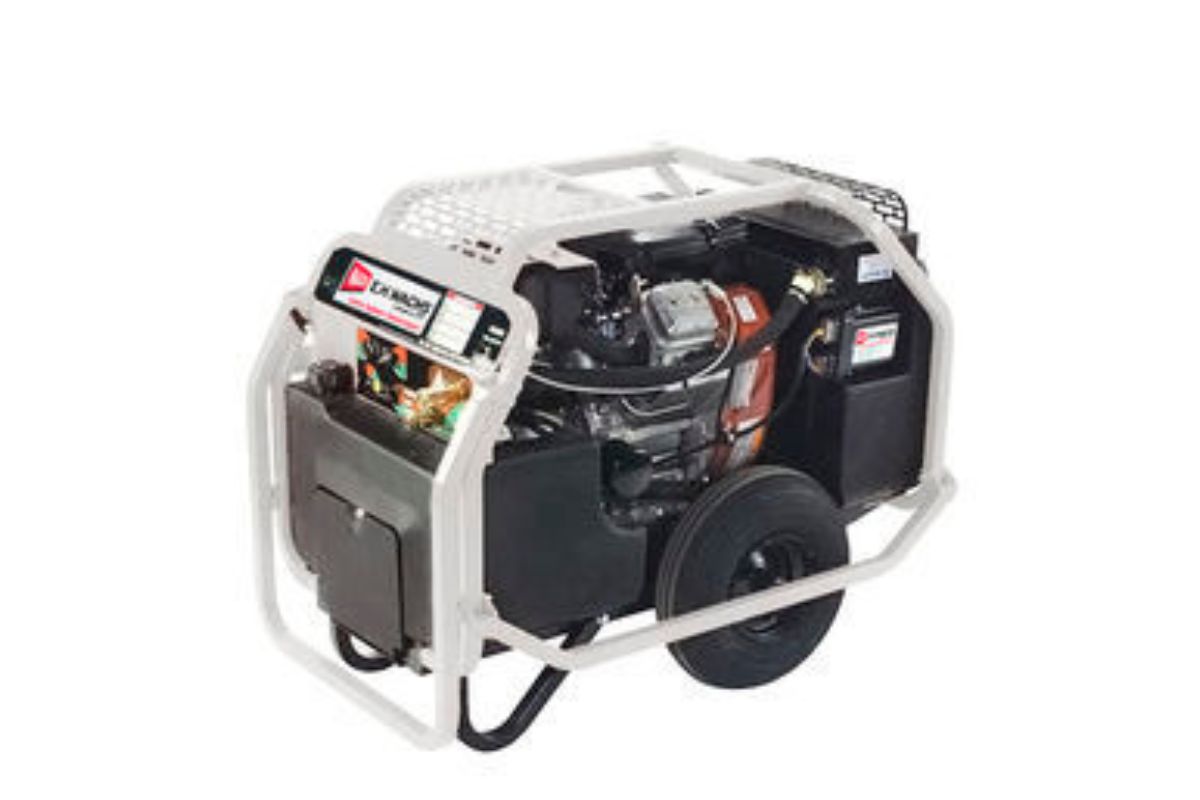
Gas Powered Hydraulic Power Unit
A gas powered hydraulic power unit is a portable solution for field jobs requiring convenient startup and flexible mobility. It combines a gasoline engine with an efficient pump and compact reservoir to supply consistent pressure for light-to-medium duty tasks. Common applications include outdoor construction, agricultural tools, service trucks, and temporary hydraulic power in remote locations.

Portable Hydraulic Power Unit
A portable hydraulic power unit is made for quick deployment, easy transport, and plug-and-work operation. It typically features a compact frame, integrated tank, and simplified controls, while still supporting practical flow and pressure ranges for tools and small actuators. It’s widely used for maintenance crews, mobile lifting, and on-site hydraulic service work.
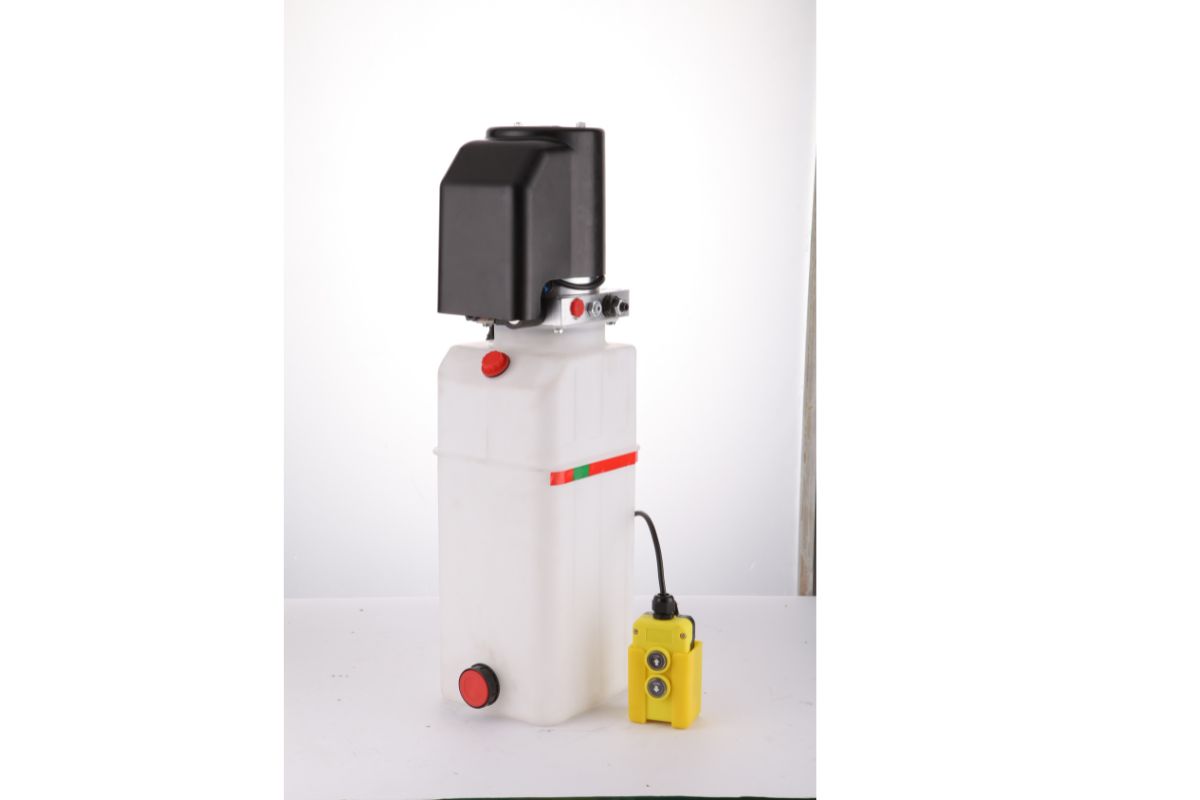
Single Acting Hydraulic Power Unit
A single acting hydraulic power unit is optimized for applications where the cylinder powers up and returns by gravity or external load. It typically uses a solenoid valve, check valve, and relief valve to hold load safely and control lowering smoothly. Common setups suit lift tables, dump trailers, and compact lifting mechanisms with stable pressure requirements.
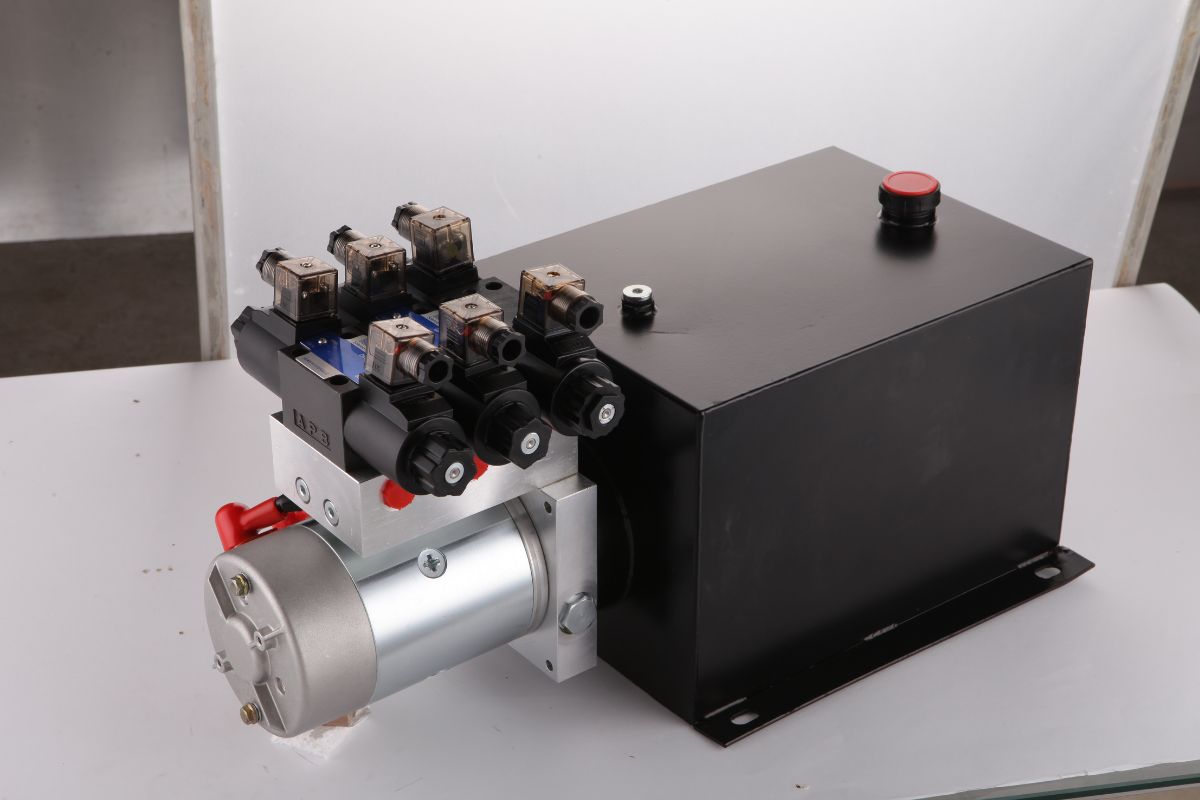
Double Acting Hydraulic Power Unit
A double acting hydraulic power unit drives cylinders in both extension and retraction, providing controlled movement in both directions. It commonly supports power-up/power-down circuits, smoother positioning, and improved handling for frequent cycles. Typical applications include vehicle lifts, industrial machinery, and material handling systems where controlled return stroke and repeatable performance are essential.
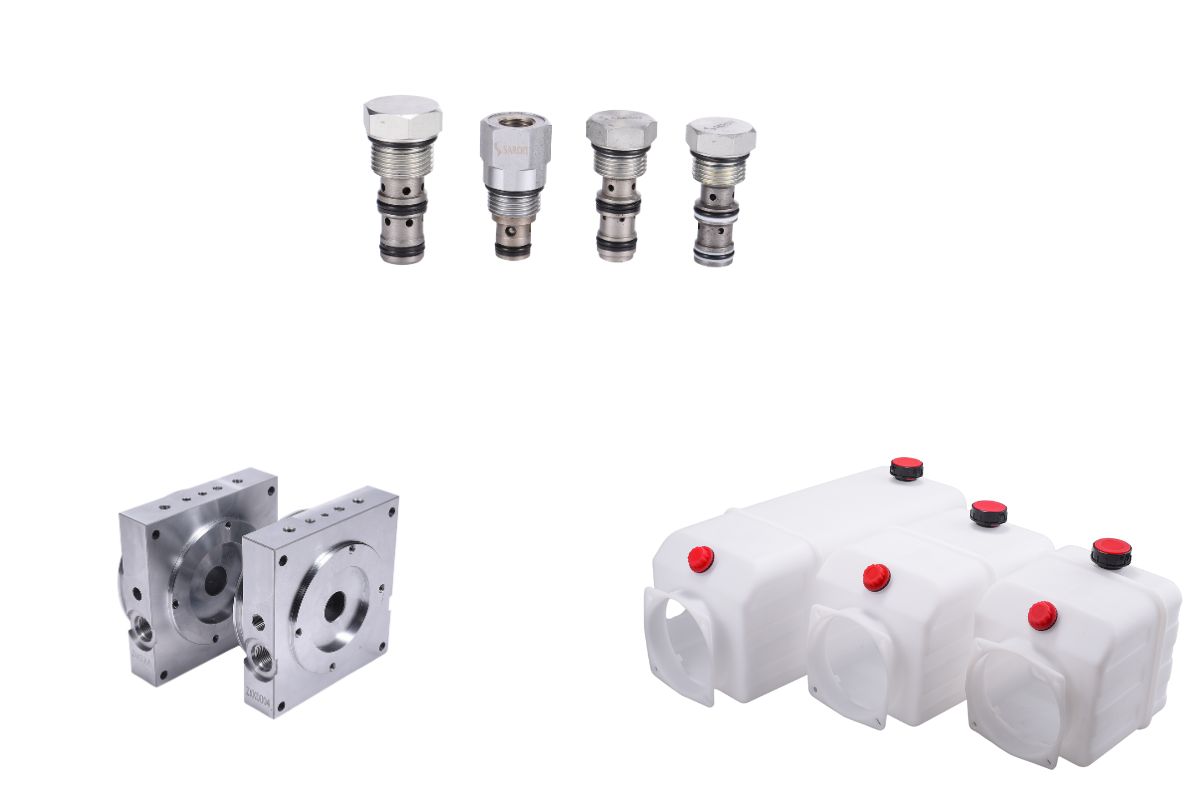
Hydraulic Power Unit Components
Hydraulic power unit components typically include a motor or engine, hydraulic pump, reservoir, manifold block, valves, and essential protection parts. Common add-ons are filters, pressure gauge or sensor, cooler or heater, and electrical controls. Choosing the right components ensures stable flow, safe pressure limiting, cleaner oil, and reliable operation across mobile and industrial applications.
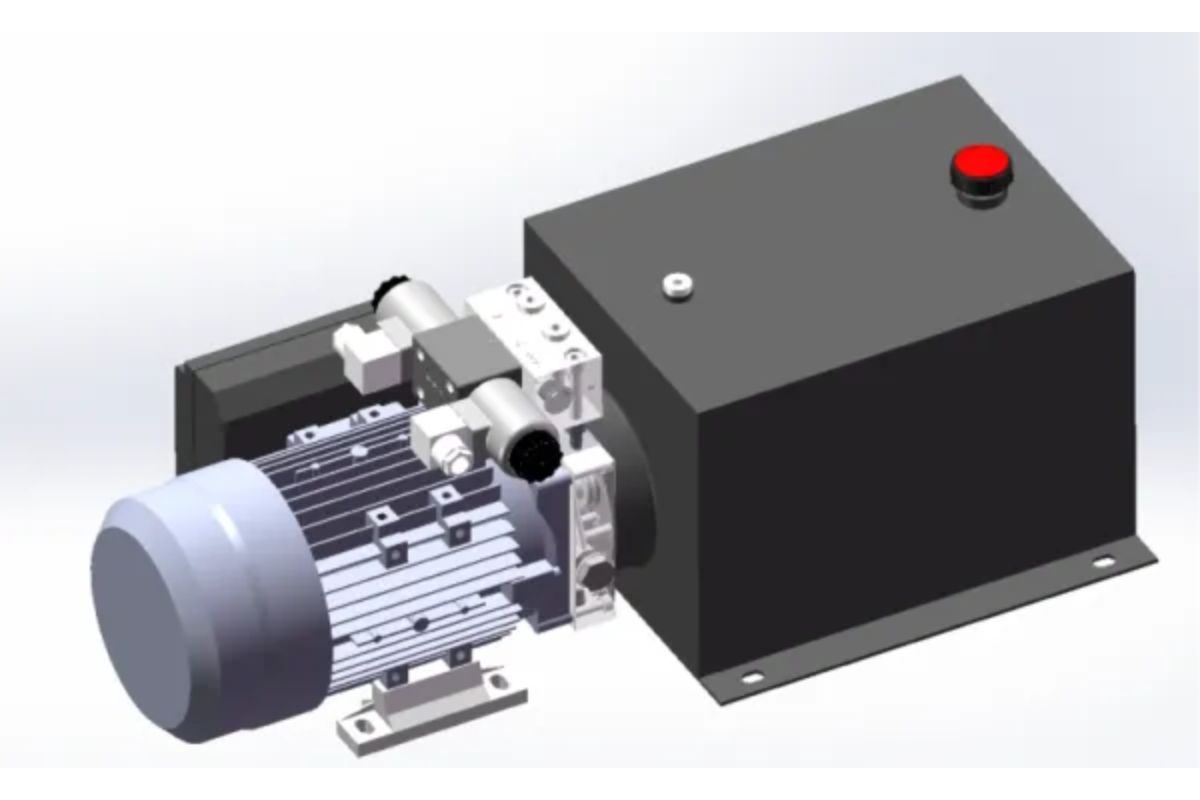
Custom Hydraulic Power Unit
A custom hydraulic power unit is built to match your exact flow, pressure, voltage, and circuit requirements. It can be configured with AC/DC power, single-acting or double-acting functions, and tailored manifold cavities for cartridge or CETOP valves. Custom HPUs help OEMs optimize space, performance, and installation for lifts, trucks, automation, and specialized machines.
Application
Hydraulic Power Packs Applications
Agriculture & livestock
- Lifting
- Feeding
- Rural automation systems
How to Qualify an OEM Hydraulic Power Unit Supplier
An OEM power-unit review should connect the equipment duty to the hydraulic circuit, electrical supply and installation envelope. The request package should identify actuator loads and speeds, working and peak pressure, flow by operating state, run time, rest time, ambient conditions and control interfaces.
AC and DC, single-acting and double-acting are different design paths, not interchangeable stock promises. Motor, pump, reservoir, valve logic, cooling and mounting choices need a project-specific drawing and component review.
Ask for the inspection and test scope that applies to your quotation. A general statement such as “100% tested” is not a substitute for an agreed acceptance method or a record for the supplied configuration.
Hydraulic Power Unit Design Review
- AC hydraulic power unit
- DC hydraulic power unit
- single acting / double acting hydraulic power unit


Hydraulic Manifold Block Manufacturing
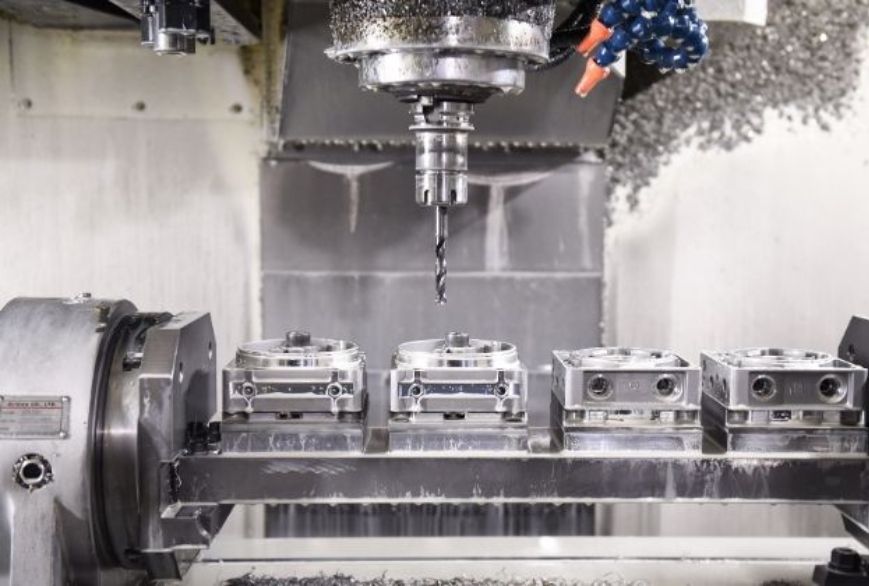
CNC machine custom manifold blocks with standard cavities; verify material, surface finish, cleanliness, and port/thread accuracy:
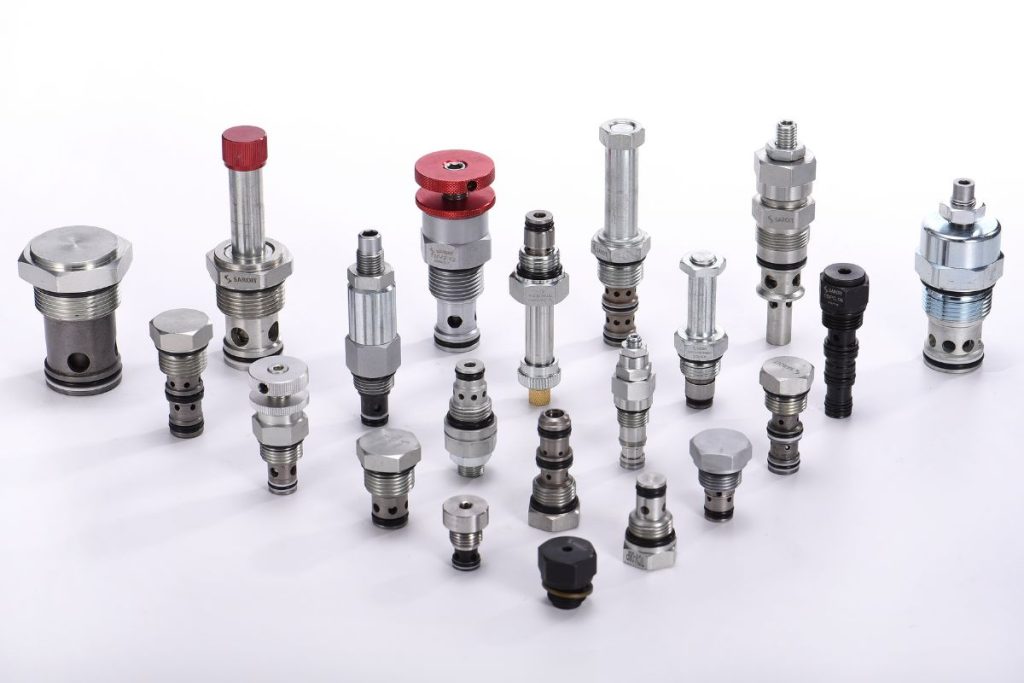
- Cartridge valve manifold
- Standard valve cavity
- CNC manifold machining
- Aluminum manifold block
Hydraulic Power Unit Assembly
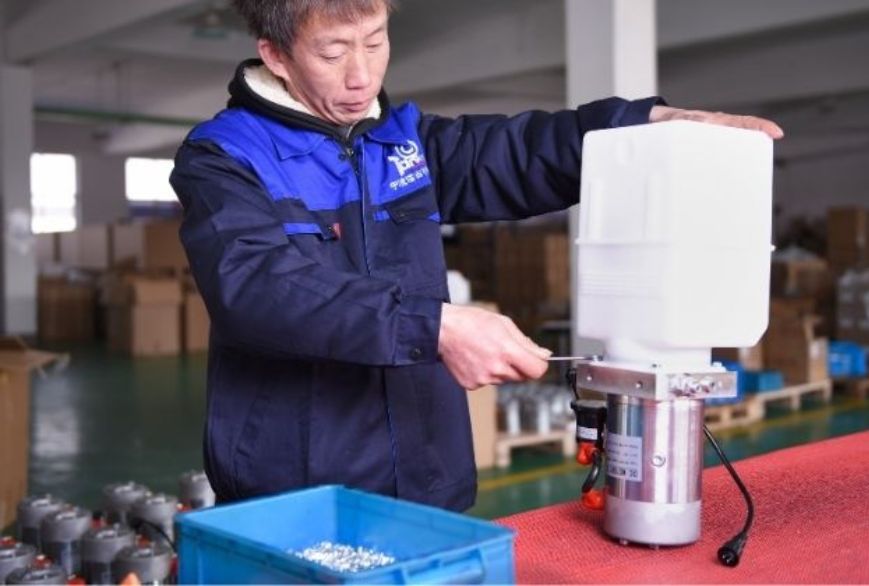
- hydraulic power unit assembly
- gear pump hydraulic power unit
- hydraulic reservoir tank
- solenoid valve hydraulic power unit


Hydraulic Power Unit Test Bench
Test pressure, flow, noise, and temperature rise; run leak checks and functional cycles under load:
- hydraulic power unit test bench
- pressure and flow testing
- hydraulic leak test
- hydraulic performance testing
Hydraulic Power Unit Packaging and Delivery
Use export-grade packing with labels and documents; protect from moisture and impact, and confirm lead time.
- export packaging hydraulic power unit
- wooden case packing
- anti-collision foam packing
- moisture-proof packaging
- shipping labels and documentation
- hydraulic power unit delivery lead time

Project-specific selection inputs: The values below are required from the equipment design; they are not published HydrathPower product ratings. Final limits must be confirmed on the released configuration.
| Input | What to provide or confirm |
|---|---|
| Machine function | Actuators, load directions, required force and stroke |
| Operating points | Working and peak pressure, flow by motion, cycle time and simultaneous functions |
| Power supply | Available voltage, phase, frequency or battery limits; starting current where relevant |
| Duty and heat | Run/rest schedule, ambient temperature and cooling constraints |
| Circuit logic | Single- or double-acting behavior, load holding, lowering, relief and emergency states |
| Mechanical interface | Envelope, reservoir orientation, ports, mounting and service clearance |
| Controls | Valve actuation, sensors, wiring and equipment interface |
| Release evidence | Approved schematic, drawing, bill of materials and agreed inspection/test criteria |
Meet Us on The Trade Show
Hydrath attends exhibitions worldwide every year:
Hannover Messe
PTC ASIA
Bauma CHINA
You are welcome to book a visit to our exhibitions.
What is a Hydraulic Power Unit (HPU)?
A Hydraulic Power Unit (HPU), also called a hydraulic power pack, is a self-contained system that converts electric or engine power into hydraulic energy.
It typically integrates a motor, pump, reservoir, and control valves to deliver stable flow and pressure to cylinders or hydraulic motors in mobile and industrial applications.
Hydraulic power unit vs hydraulic power pack—are they the same?
In most industries, “hydraulic power unit” and “hydraulic power pack” are used interchangeably. Both describe the integrated power source that supplies pressurized oil to the hydraulic system.
What matters most for selection is the circuit function, voltage/power source, flow rate, pressure, and duty cycle—not the name.
What are the main hydraulic power unit components?
How does a hydraulic power unit work?
A hydraulic power unit works by driving a pump with a motor/engine, drawing oil from the tank and pressurizing it. Valves and the manifold then control direction, pressure, and flow to the actuator.
This follows Pascal’s principle: pressure applied to a confined fluid is transmitted throughout the system, enabling controlled force and motion.
AC hydraulic power unit vs DC hydraulic power unit—how to choose?
Choose an AC hydraulic power unit for stationary industrial equipment where stable power and longer duty cycles are needed (common voltages include 110V, 220/380V).
Choose a DC hydraulic power unit for mobile and compact systems powered by batteries (common 12V/24V).
The best option depends on your installation environment, duty cycle, and required power.
Single acting hydraulic power unit vs double acting hydraulic power unit—what’s the difference?
A single acting hydraulic power unit powers the cylinder in one direction, with return by gravity or spring, often used in simple lifting.
A double acting hydraulic power unit provides hydraulic power in both directions (extend and retract), giving better control for positioning, return stroke, and repeatable cycles in more demanding applications.
How do I size pressure and flow for a hydraulic power unit?
Pressure and flow are different selection inputs: pressure relates to actuator force, while flow relates to movement speed. Start with the required load, actuator dimensions and cycle time, then account for circuit losses and simultaneous functions. A project-specific pump and motor selection must also check duty cycle, heat and the applicable component ratings. Do not treat a generic pressure or flow range as a confirmed specification for your machine.
What should be tested before shipping an electric hydraulic power unit?
A professional electric hydraulic power unit should be tested for pressure stability, leakage, and basic functional performance under operating conditions.
Many manufacturers highlight full inspection and pressure/leak testing to ensure stable operation and reduce commissioning risk at the customer site.
Where can I learn to read a hydraulic power unit schematic diagram and symbols?
A hydraulic power unit schematic diagram helps you understand how pumps, valves, lines, and actuators are connected, which is very useful for troubleshooting and maintenance.
Learning standard hydraulic symbols (ISO-style symbols) improves communication between engineering, purchasing, and service teams.