
Features
Diesel Hydraulic Power Unit
- Off‑Grid Diesel Power: Reliable output for mobile heavy equipment
- High Pressure and Flow: Up to 350 bar and 250 L/min
- Rugged, Serviceable Design: Easy maintenance in harsh environments
- Flexible Configurations: Custom engine, pump, tank, control options
Your Reliable Diesel Hydraulic Power Unit OEM Supplier
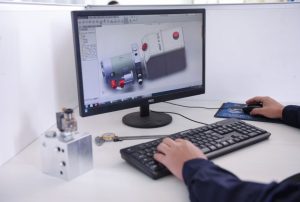
Hydrath is your trusted Diesel Hydraulic Power Unit engineering partner, supporting CAD reviews and integration with mobile machinery, mining, marine, and offshore equipment.
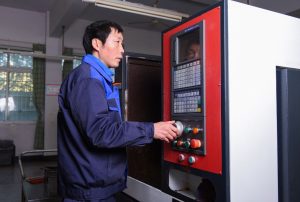
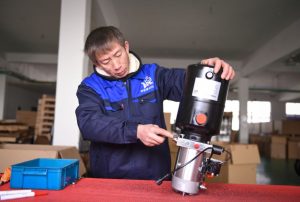
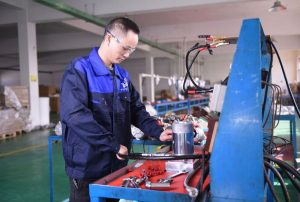
Each diesel hydraulic power pack is 100% inspected and flow/pressure‑bench tested for consistent performance—up to 350 bar and 250 L/min. Tier 3/Tier 4 compliant engines (HATZ, Yanmar) and certified fittings are available for global standards.
With a compact footprint and service‑friendly manifold layout, installation stays fast while off‑grid reliability improves. Configure pump type, reservoir 50–200 L, cooling and filtration to match your duty cycle.
| Parameter | Specification |
|---|---|
| Engine Power | 7.4–50 kW (≈10–67 HP) |
| Max Pressure | Up to 350 bar |
| Flow Rate | 10–250 L/min |
| Reservoir Capacity | 50–200 L |
| Pump Type | Gear or vane |
| Engine Brands | HATZ, Yanmar, others on request |
| Emissions Compliance | Tier 3 / Tier 4 |
| Cooling | Air or oil cooler |
| Filtration | Suction and return filters |
| Control Options | Manual, pendant, wireless, PLC |
| Enclosure | IP‑rated acoustic enclosure |
| Fuel System | Heavy‑duty lines, water separator |
| Starting System | Electric start with battery kit |
| Applications | Construction, mining, offshore, marine |
| Serviceability | Easy access, standard fittings |
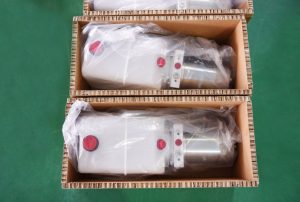
Application
Hydraulic Power Packs Applications


Agriculture & livestock
- Lifting
- Feeding
- Rural automation systems

Meet Us on The Trade Show
Hydrath attends exhibitions worldwide every year:
Hannover Messe
PTC ASIA
Bauma CHINA
You are welcome to book a visit to our exhibitions.
How do I size a Diesel Hydraulic Power Unit for 250 bar at 20 L/min?
Convert requirements to hydraulic power and include efficiency and transients. At 250 bar and 20 L/min, base hydraulic power is ≈8.3 kW; allowing 80% total efficiency and continuous duty, select an engine around 15–25 HP.
Add margin for peak loads, cold starts, and dual‑circuit operation. Pair with an appropriate pump displacement to hit target LPM at engine RPM, and set relief valves to protect the system.
Add margin for peak loads, cold starts, and dual‑circuit operation. Pair with an appropriate pump displacement to hit target LPM at engine RPM, and set relief valves to protect the system.
What emissions compliance should I choose for offshore or urban projects?
Use Tier 3/Tier 4 compliant diesel engines per regional regulations. Offshore and EU markets often require stricter standards; pair compliant engines with certified fittings, corrosion‑resistant enclosures, and documented maintenance.
Validate requirements against project authority and classification bodies (e.g., ABS/DNV).
Validate requirements against project authority and classification bodies (e.g., ABS/DNV).
How big should the reservoir be for intermittent vs continuous duty?
As a rule of thumb, intermittent duty uses 2–3× pump LPM, continuous duty 3–5×. Increase capacity when ambient is high or cycle times are long. Add oil coolers and return‑line filtration to control temperature and cleanliness.
What filtration strategy ensures reliability in harsh environments?
Use suction strainers and high Beta‑rated return filters; design for ISO cleanliness targets matching component tolerances.
Add clogging indicators and set service intervals based on real duty.
In dust/salt‑spray conditions, protect breathers and consider desiccant breathers.
Add clogging indicators and set service intervals based on real duty.
In dust/salt‑spray conditions, protect breathers and consider desiccant breathers.
Which engine brands are suitable and how do I choose?
HATZ and Yanmar are widely used for diesel HPUs, offering models from ≈7.4–50 kW.
Select based on required HP/LPM/bar, local service support, emissions compliance, and footprint/noise limits.
Confirm fuel system protection (water separators) and starting/charging kits.
Select based on required HP/LPM/bar, local service support, emissions compliance, and footprint/noise limits.
Confirm fuel system protection (water separators) and starting/charging kits.
How to ensure off‑grid reliability over seasonal changes?
Use corrosion‑resistant enclosures, certified fittings, heavy‑duty fuel lines, and routine inspections.
Add cold‑start aids, specify oil viscosity per ambient, protect electrical harnesses, and maintain documented service intervals.
Add cold‑start aids, specify oil viscosity per ambient, protect electrical harnesses, and maintain documented service intervals.
Get an Instant Quote Now
RELATED
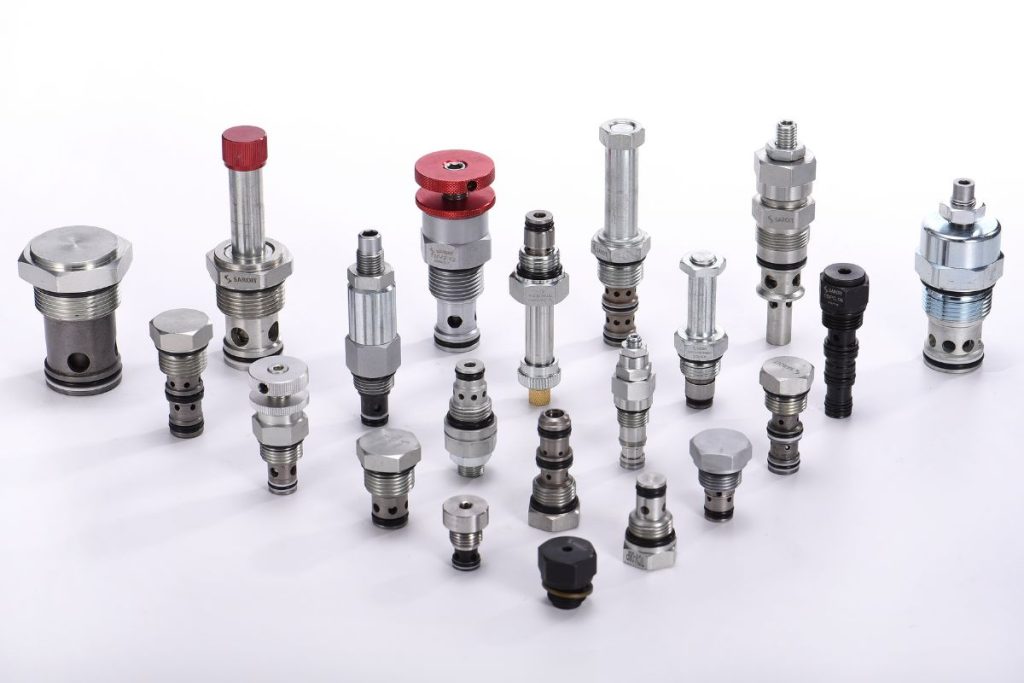
Related Component



Looking for Reliable Hydraulic Solutions?
Let Our Engineering Experts Support You – Anytime.