Features

Double Acting Hydraulic Cylinders

A double acting hydraulic cylinder uses hydraulic pressure for both extension and retraction. HydrathPower presents welded, tie-rod and application-specific cylinder options for equipment review. Select the cylinder from the load in each direction, stroke and mounting geometry; the product-family name alone does not establish a working-pressure or load rating.

  • Movement: Define extension, retraction, hold and the required travel time.
  • Geometry: Provide bore, rod diameter, stroke and retracted/extended lengths.
  • Installation: Confirm mounts, ports, alignment, oil and operating environment.
OUR PRODUCT

DOUBLE ACTING HYDRAULIC CYLINDERS TYPES

Heavy Duty Double Acting Hydraulic Cylinder​

Heavy Duty Double Acting Hydraulic Cylinder

For a heavy-duty double acting hydraulic cylinder, describe the load through the full stroke, repeated cycles and shock conditions. Review barrel, rod and mounting dimensions together rather than selecting from pressure alone. The proposed drawing must identify working limits, materials, seals and the acceptance evidence required for the equipment.
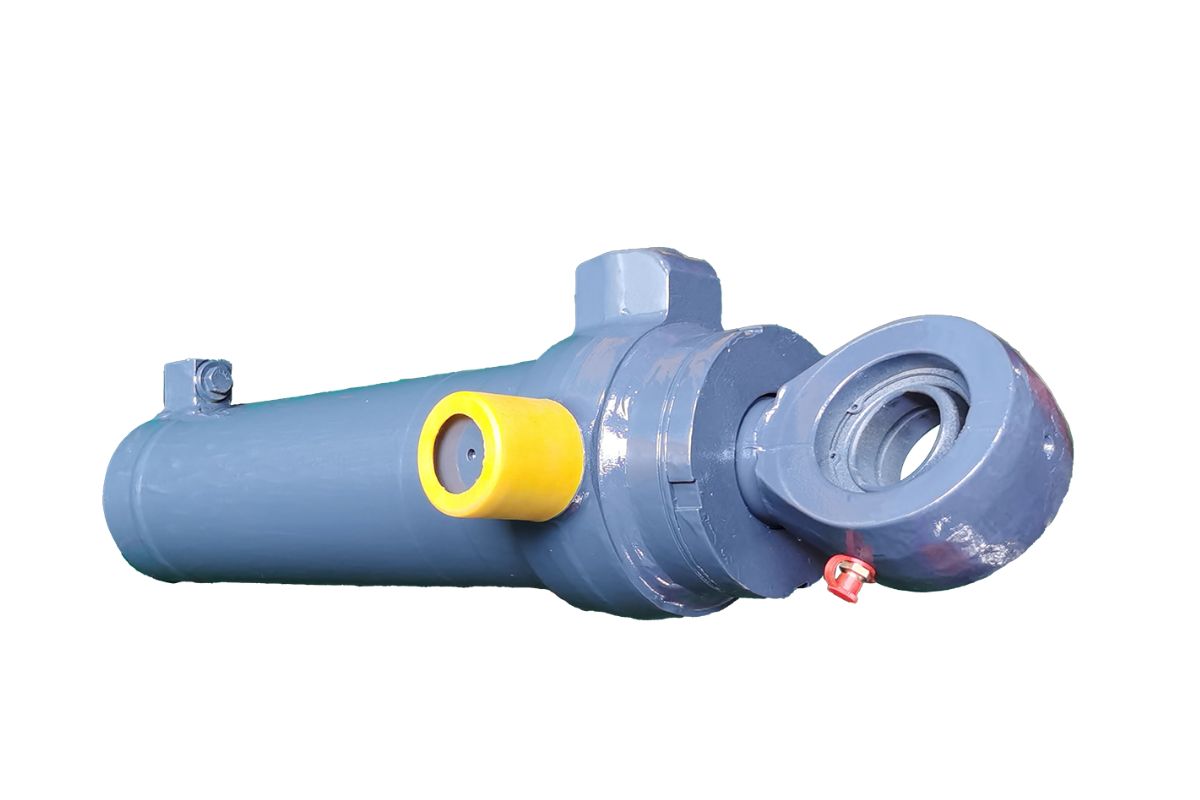
Welded Double Acting Hydraulic Cylinder

Welded Double Acting Hydraulic Cylinder

A welded double acting hydraulic cylinder uses a welded body arrangement that must fit the equipment envelope and service plan. Send the retracted length, stroke, mounting geometry and port locations. Confirm the selected design standard, pressure rating and inspection requirements for the actual cylinder; the construction name is not a certification.

Tie-rod Double Acting Cylinder

Tie-rod Double Acting Cylinder

For a tie-rod double acting cylinder, compare the mounting dimensions, available clearance and required maintenance access. Identify the load and speed in both directions and any cushioning or sensing requirement. Match the proposed cylinder drawing to the machine rather than assuming another tie-rod model is interchangeable.

Double acting cylinders for dump trailers

Dump Trailers Double Acting Cylinders

Double acting cylinders for dump trailers require the trailer hinge and cylinder mounting geometry, not just payload. Define powered lift, powered return and the required holding behavior on the circuit. Cylinder choice does not establish trailer stability or make operation on an incline acceptable; the complete trailer design needs its own assessment.

Double Acting Cylinder Inputs for an OEM Enquiry

For a cylinder enquiry, send the equipment drawing and distinguish working conditions from maximum or transient conditions. Identify the seal, coating and mounting requirements on the same revision. Confirm applicable standards, inspection scope and any certification documents against the proposed cylinder; a generic family description is not a certificate for an individual build.

On small screens, scroll the table horizontally to read every column.

Configuration review inputs
DecisionInputs to provideWhy it matters
Load and movementForce in both directions; speed and strokeThe retracting side must be assessed separately.
Cylinder geometryBore, rod, retracted length and extended lengthCheck available space and the load path.
Mounts and alignmentMounting drawing, joint types and side-load conditionsCheck alignment and rod loading.
Operating conditionsPressure, fluid, temperature and cycle patternSelect seals and materials for the actual duty.
AcceptanceDrawing revision, pressure limits and requested test evidenceConfirm the released cylinder specification.

Application

Double Acting Cylinder Application Review

Discuss Your Cylinder Drawing

Send HydrathPower the cylinder drawing, load case and machine sequence before arranging a technical discussion. Include the drawing revision and any inspection or documentation requirements. Confirm meeting arrangements directly; the photographs on this page do not establish a current exhibition schedule.

How do I size a double acting hydraulic cylinder (tonnage and speed)?

Start with the required force during extension and retraction, cylinder geometry and target travel time. The rod reduces the effective area on the retracting side, so equal pressure does not imply equal force in both directions. Pressure on the opposite chamber, friction, linkage geometry and structural limits also matter. Have the equipment engineer confirm the operating points and design margins for the actual machine.

What pressure ratings and standards apply to double acting cylinders?

Use the working-pressure rating and applicable standard stated for the selected cylinder and drawing revision. A product-family range is not the rating of every bore, rod or mounting combination. Specify any required conformity or inspection documents in the enquiry and confirm their scope before ordering; a standard number alone is not evidence of certification.

Which seal types minimize leakage and wear in double acting cylinders?

Select the seal system from the hydraulic fluid, operating temperature, pressure, movement speed and permitted leakage. Give the supplier the contamination and external exposure conditions as well. A material abbreviation by itself does not establish compatibility or service life; confirm the complete seal arrangement for the proposed cylinder.

Choose mounts from the load path and the movement of the machine joints. Provide pin dimensions, bearing arrangement, mounting-face alignment and the full range of articulation. A spherical connection can accommodate only its designed movement; it is not a substitute for checking side loads, clearances and structural support.

The power unit supplies flow and the valve circuit routes it to the cylinder chambers. Define extend, retract, hold and power-loss states before selecting the directional and load-control functions. Pressure protection, flow control and the installation require a system review; a cylinder or power pack alone is not a machine-safety approval.

Powered return may be needed when the specified mechanism cannot reliably return by its intended external force. For a trailer, assess the load and cylinder geometry throughout the lowering movement and specify holding and controlled-return requirements. Do not use powered retraction as a remedy for an unstable trailer or an unsafe operating surface.

Select the directional-valve arrangement from the required flow paths and neutral state. Load-holding and overrunning-load control are separate decisions that depend on the cylinder and load. Show these functions on a reviewed schematic; one generic valve combination should not be treated as suitable for every double-acting cylinder.

Relate the required travel time to cylinder displacement and available flow in each direction. Include the moving mass and the required deceleration near the end of stroke. Confirm whether cushioning, external flow control or a different motion profile is needed, then agree acceptance conditions at the relevant load and fluid temperature.

Rod selection needs the compressive load, unsupported length, mounting conditions and cylinder position through the stroke. Include off-axis loads and dynamic conditions in the structural review. The responsible engineer should confirm buckling resistance and design margins; a universal safety-factor number is not a substitute for that calculation.

Provide the mounting drawing and identify where external guides support the moving load. Check alignment through the full travel, not only at one end position. Side loads, joint wear and binding can affect the rod, seals and bearings, so the cylinder should not be assumed to guide a mechanism that needs separate support.

Get an Instant Quote Now

RELATED

Related Component

Looking for Reliable Hydraulic Solutions?

Let Our Engineering Experts Support You – Anytime.

Scroll to Top

Contact Us