
110V AC Hydraulic Power Pack for Project-Specific Equipment
A 110V AC hydraulic power pack combines an AC motor, pump, reservoir and controls for a defined machine function. HydrathPower reviews the available supply, actuator duty, circuit, pressure, flow and mounting envelope before confirming a project configuration. The 110V label alone does not establish phase, frequency, starting conditions or interchangeability.
- Electrical input: confirm nominal voltage, phase, frequency, supply tolerance and motor duty with qualified electrical personnel.
- Hydraulic task: provide actuator load, stroke, target travel time, operating pressure, flow and cycle pattern.
- Circuit and fit: provide the schematic, valve sequence, control interface, tank envelope, port drawing and mounting limits.
Motor, pump, valve and reservoir selections remain project-specific; no fixed pressure, flow or tank size is implied by the voltage label.
110V AC HYDRAULIC POWER PACK TYPES
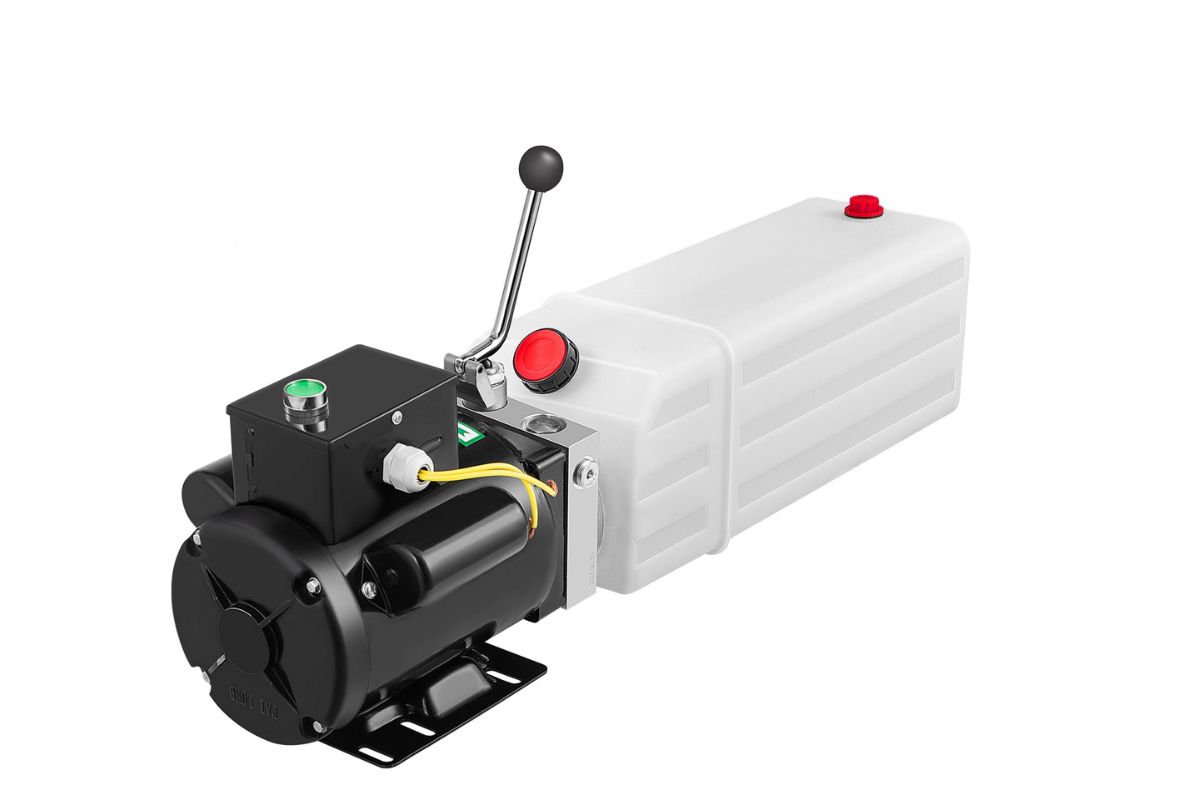
110v Single Acting Hydraulic Power Pack
A single-acting route powers one motion and relies on a defined return path. Confirm load behavior, lowering control, valve state and available electrical supply before choosing motor, pump, reservoir or relief settings.
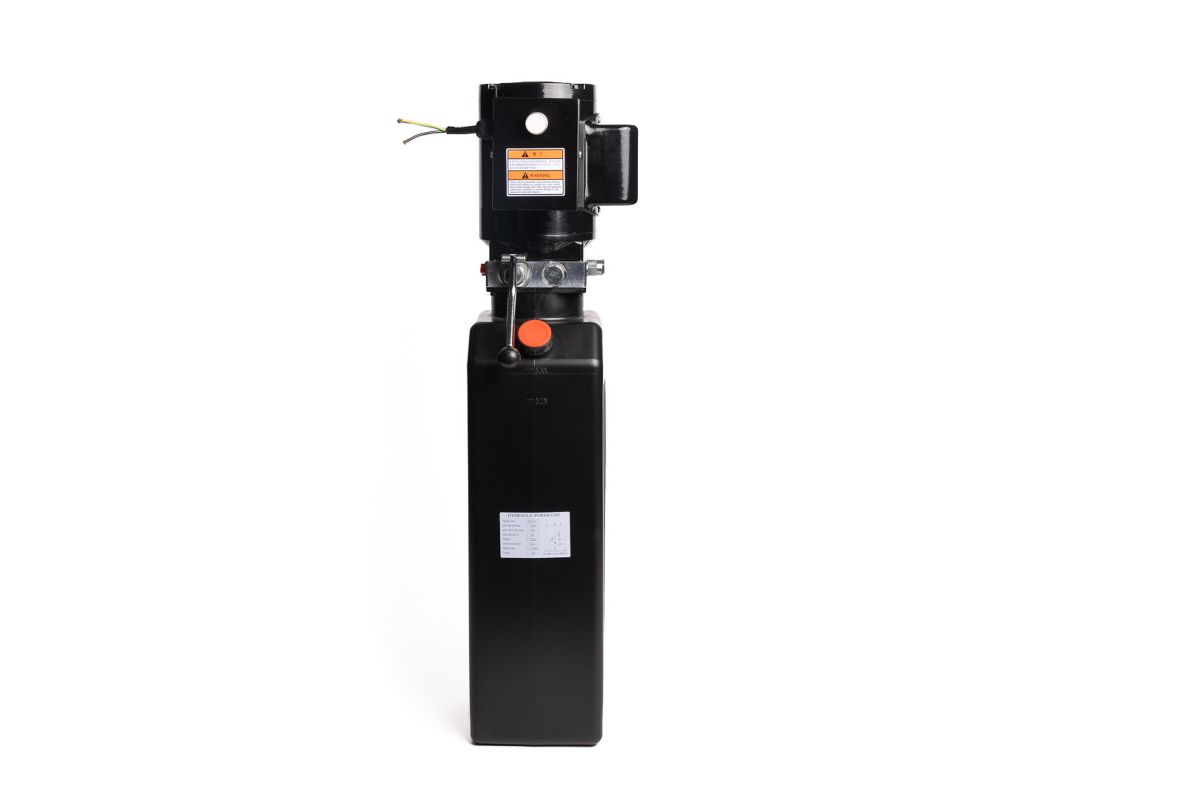
110v Double Acting Hydraulic Power Pack
A double-acting route requires powered flow in both actuator directions. Review the directional valve sequence, return path, load control, pressure and flow demand, and motor duty against the actual circuit; port and manifold interfaces need drawing confirmation.
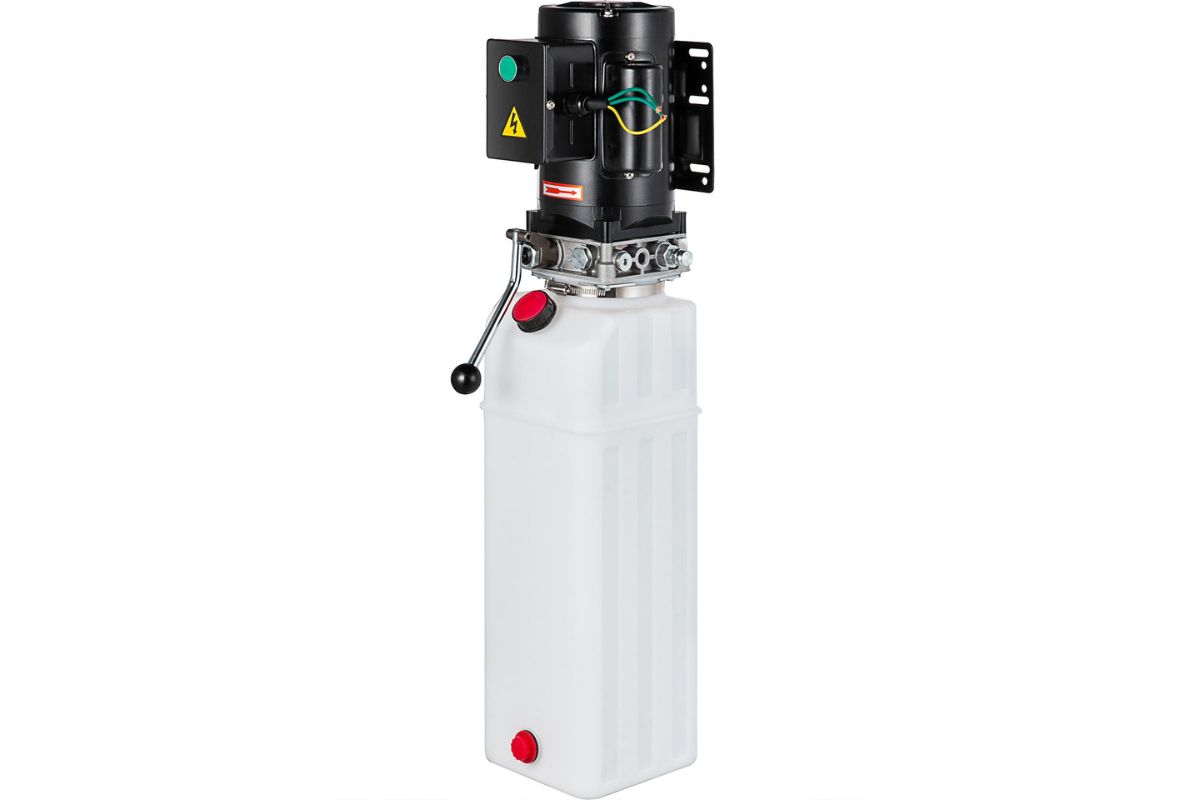
110v Car Lift Hydraulic Power Pack
For a vehicle-lift project, confirm platform geometry, rated load, actuator arrangement, raising and lowering sequence, holding behavior and applicable safety requirements. Do not infer safe fit or a fixed motor, pressure or tank size from a generic 110V AC pack.
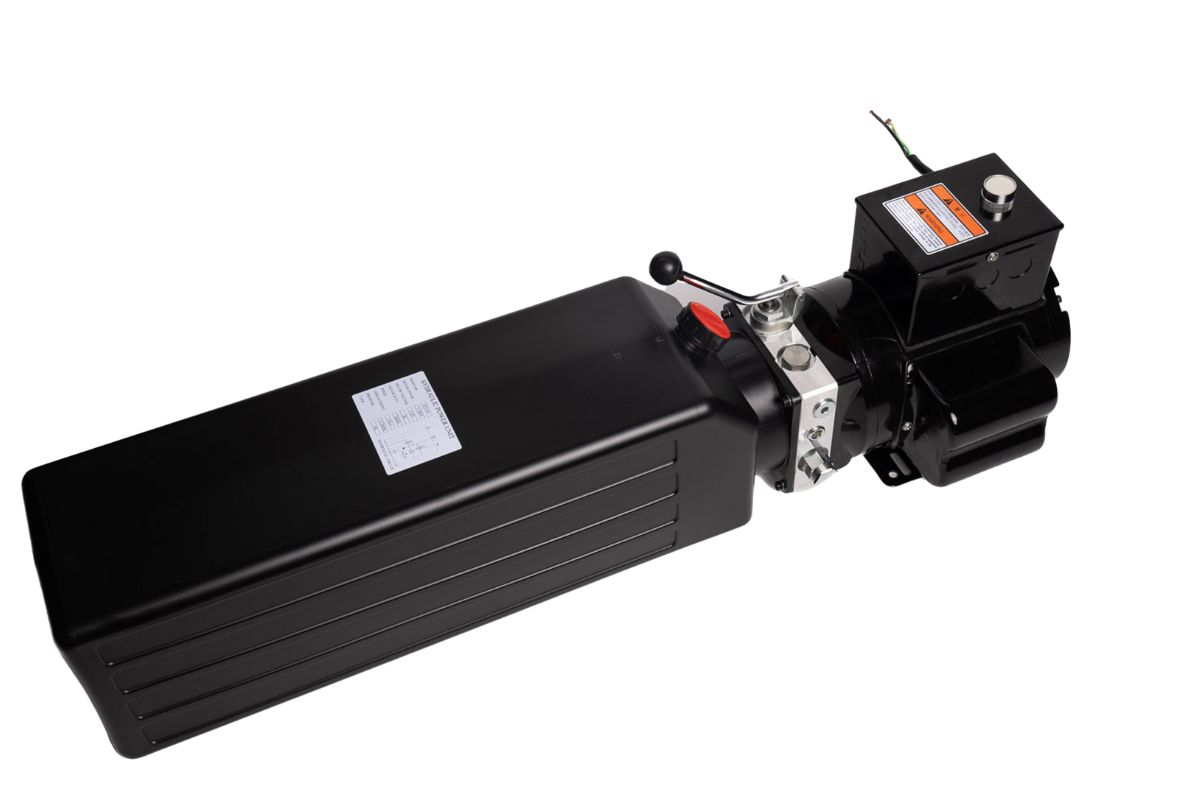
110v Scissor Lift Hydraulic Power Pack
For a scissor-lift project, provide platform load, travel, actuator data, cycle rate, lowering behavior and installation limits. The required circuit and any load-holding or emergency-lowering provisions must be reviewed against the machine design; this card is not a safety approval.
Review the 110V AC Power-Pack Project Inputs
Start with the actual electrical supply and hydraulic task. A buyer should provide voltage, phase, frequency, starting conditions and duty together with the schematic, actuator data and cycle pattern. Those inputs determine which motor, pump and valve arrangement needs engineering review.
Next confirm the physical interface: port specification, hose routing, reservoir envelope, mounting orientation and service access. A compact-looking pack in a product photo is not evidence that it fits the machine or that its circuit provides the required load control.
Before an order is released, agree which drawing revision, electrical checks and hydraulic function tests will constitute acceptance. Inspection percentage, ratings and configuration options require model-specific evidence and are not guaranteed by this general page.
| Decision input | What to confirm |
|---|---|
| Nominal supply | 110V AC project label; confirm measured supply, phase, frequency and permitted variation. |
| Starting and duty | Provide start frequency, run time, rest time, branch protection and motor-duty requirements. |
| Actuator and load | State actuator dimensions, load, stroke, direction and desired travel time. |
| Pressure and flow | Supply normal and peak targets with units and duty conditions; verify against the selected design. |
| Circuit function | Provide a schematic for single- or double-acting motion, hold, return and emergency behavior. |
| Control interface | Confirm control voltage, switches, valve sequence and electrical connector expectations. |
| Tank and mounting | Provide envelope, orientation, fill/service clearance and mounting drawing. |
| Ports and hoses | Confirm thread standard, port locations, hose routing and return-line constraints. |
| Approval evidence | Agree model-specific drawing revision, electrical checks and hydraulic acceptance criteria. |
This is an input checklist, not a confirmed specification for a particular 110V AC power pack. Final ratings and interfaces require the approved model drawing.

Hydraulic Power Packs Applications


Agriculture & livestock
- Lifting
- Feeding
- Rural automation systems

Send Your 110V AC Project Inputs
Share the available electrical supply, actuator and load data, hydraulic schematic, cycle pattern, control sequence and installation drawing. HydrathPower can identify the inputs still needed before an OEM configuration and quotation are confirmed.
What is a 110V AC hydraulic power pack?
A 110V AC hydraulic power pack is an electrically driven hydraulic source for a specified actuator and circuit. It typically combines a motor, pump, reservoir and control components, but phase, frequency, motor duty and hydraulic output are not established by the voltage label alone.
HydrathPower reviews the supply and machine requirements before a particular configuration is confirmed. The actual model drawing and acceptance criteria control the final specification.
Is 110V the same as 120V for hydraulic power units?
Not automatically. “110V” and “120V” can be used as shorthand in product searches, but a motor must be checked against its rated voltage range, phase, frequency, starting characteristics and site supply. Do not assume the two labels make one power pack interchangeable with another.
Have qualified electrical personnel confirm the available circuit and protection requirements, then review the hydraulic duty and control components against the selected equipment.
Single-acting vs double-acting—what’s the difference for a 110V power pack?
A single-acting circuit supplies powered motion in one direction; the return path may use gravity, a spring or another arrangement defined by the machine. A double-acting circuit supplies controlled hydraulic flow for powered motion in both directions. Neither circuit type alone guarantees positioning accuracy, load holding or safe lowering. Confirm the schematic, actuator load, valve states and applicable safety requirements for the selected equipment.
What key specs should I provide when requesting a quote for a 110V AC hydraulic power pack?
For an accurate quotation, provide required system pressure (bar/psi), target flow (L/min or GPM), duty cycle, cylinder size and stroke, valve function (single/double acting, number of stations), port thread standard (SAE/BSPP), and reservoir capacity constraints.
These inputs determine motor kW, gear pump displacement, and manifold layout.
What flow and pressure ranges are typical for 110V power packs?
There is no reliable flow or pressure range for every 110V AC power pack. Pressure follows actuator force plus circuit losses; flow follows displacement, travel time and operating sequence. State normal and peak conditions separately, with units, before selecting a pump, motor and relief setting.
A model-specific drawing and approved test criteria are needed to confirm the final ratings.
What does CETOP 03 mean, and why is it mentioned on 110V hydraulic power packs?
CETOP 03 is a valve mounting-interface designation. It does not establish this pack’s valve, manifold, pressure or flow rating, port position or direct interchangeability. Verify the exact valve and manifold drawings, circuit schematic, mounting dimensions, seal positions and selected-model limits before specifying a modular valve arrangement.
SAE vs BSPP ports—how do I choose for a 110V hydraulic power unit?
Choose the port and fitting interface from the approved machine drawing, not from the 110V label. Record the exact thread form, size, seal type, hose fitting, port location and pressure rating for each connection. SAE and BSPP interfaces are not interchangeable by name alone; confirm any adapter, sealing method and installation clearance for the selected model before release.
What reservoir size is suitable for a 110V AC hydraulic power pack?
Reservoir size depends on actuator displacement, return volume, cycle frequency, heat rejection, fluid condition and available installation space. A tank that physically fits may still be unsuitable if fluid level, suction or thermal conditions are not adequate.
Provide the actuator and duty data plus the tank envelope; confirm the final reservoir volume and layout against the reviewed circuit and drawing.
What applications are common for 110V hydraulic power packs?
110V hydraulic power packs are often used where standard single‑phase power is available: shop presses, clamping fixtures, small industrial machinery, platform lifts, and other equipment that benefits from a compact hydraulic power unit without 3‑phase infrastructure.
Why does a 110V hydraulic power unit feel slow or overheat, and how can I prevent it?
Slow motion or excess heat cannot be diagnosed from the 110V label. Check actual motor supply under load, pump output, actuator demand, relief behavior, restrictions, fluid viscosity, reservoir level and the cycle/rest pattern. Record temperature and pressure at defined operating conditions before changing settings.
Stop and have qualified personnel inspect equipment that is overheating or behaving unexpectedly. A revised configuration or cooling measure should follow the measured cause and approved machine requirements.
Get an Instant Quote Now
Related Component


Need a 110V AC Pack Matched to Your Supply?
Send voltage, phase, frequency, actuator and duty data, schematic and mounting envelope. The selected model and acceptance criteria require project confirmation.