
12V DC Hydraulic Power Unit for Battery Supply and Circuit Review
A 12V DC hydraulic power unit converts battery electrical power into hydraulic flow for a defined actuator circuit. HydrathPower reviews the available supply, powered and return directions, load, duty and electrical protection before selecting a motor, pump, valves and reservoir. The 12V label alone does not establish pressure, flow, safe load holding or mounting orientation.
- Motion: identify the powered direction, load, stroke and return force.
- Electrical: confirm measured battery voltage, starting demand, wiring protection and cycle/rest pattern.
- Hydraulic: provide normal and peak pressure, required flow, circuit schematic and lowering behavior.
- Installation: provide tank envelope, mounting orientation, ports and service-access drawings.
Final ratings and safety functions require the selected model and project schematic.
12V DC HYDRAULIC POWER UNIT TYPES
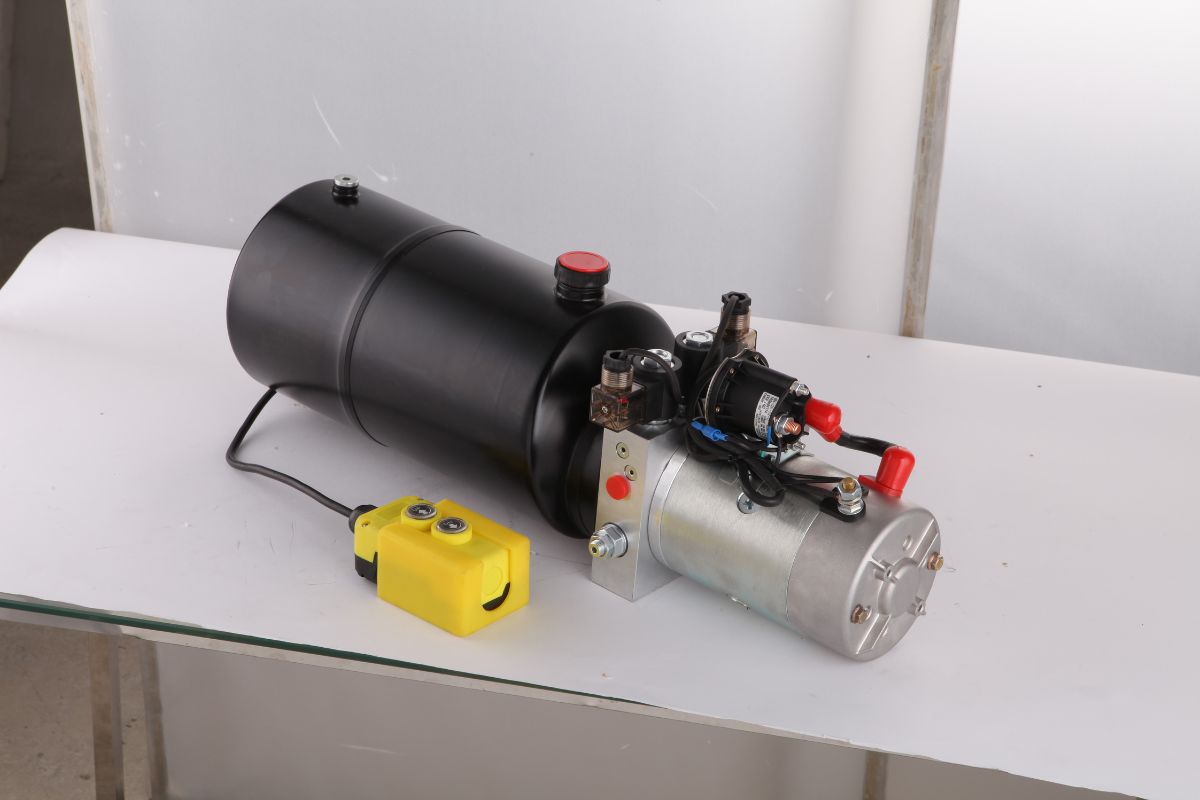
Single Acting 12v Hydraulic Power Unit
A 12V single-acting circuit powers an actuator in one direction. The return force may be gravity, a spring or an external load, but the valve and hold/lowering requirements must be verified from the schematic. Confirm the selected motor, pump, reservoir and ratings for the actual duty.
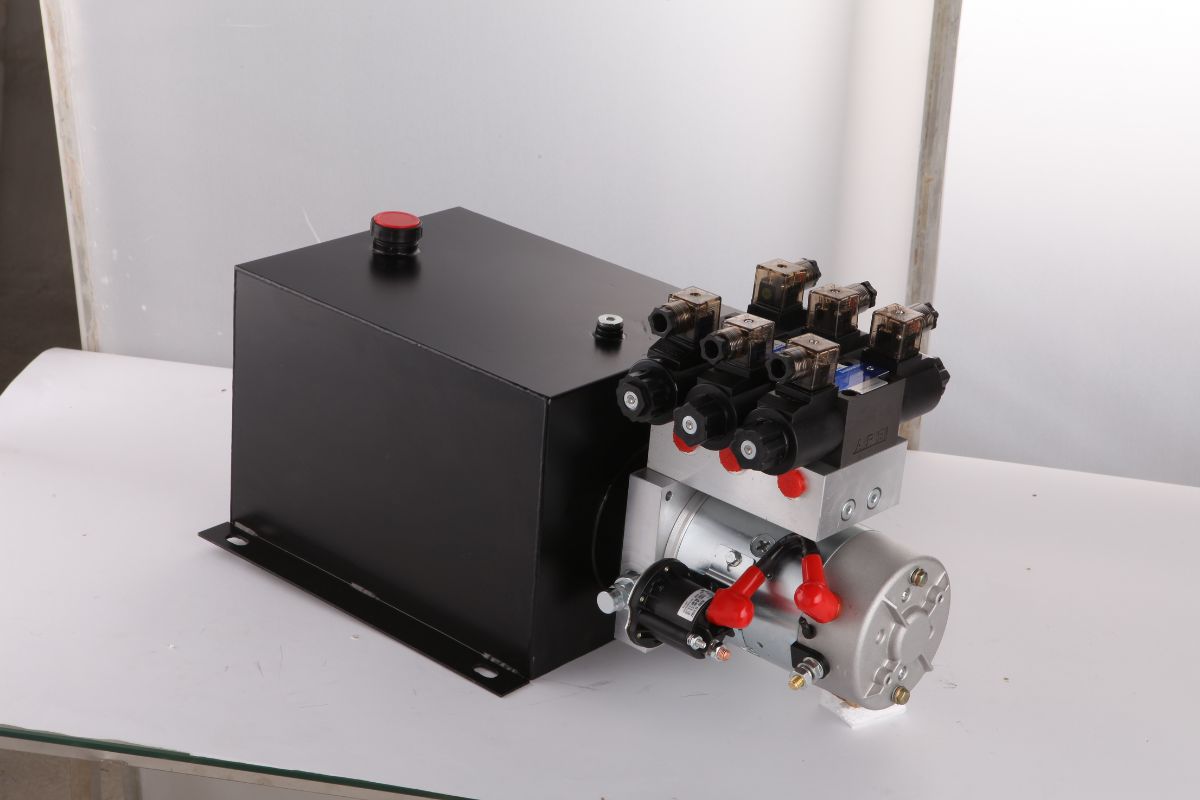
Double Acting 12v Hydraulic Power Unit
A 12V double-acting circuit supplies pressure to two actuator sides for controlled powered movement in both directions. Confirm cylinder ports, load direction, directional valve behavior, return flow and power-loss requirements before selecting the pack. Pressure, flow and reservoir size belong to a specified model, not a generic range.
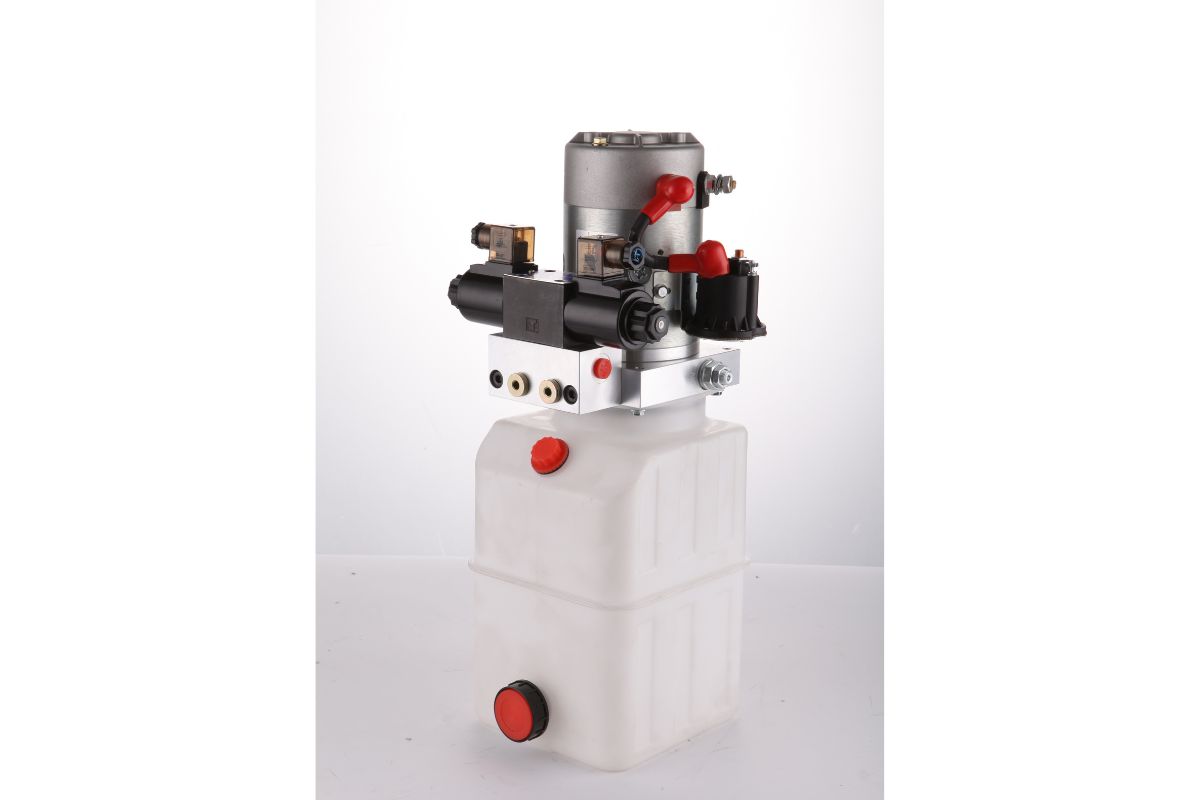
Dump Trailer Circuit Review
For a dump trailer, identify the lifting cylinder, body geometry, load, duty and controlled return method. A power-up/gravity-down design and a powered-down design need different valve and actuator inputs. Send the trailer schematic and mounting envelope before selecting ratings or describing a unit as ready to install.
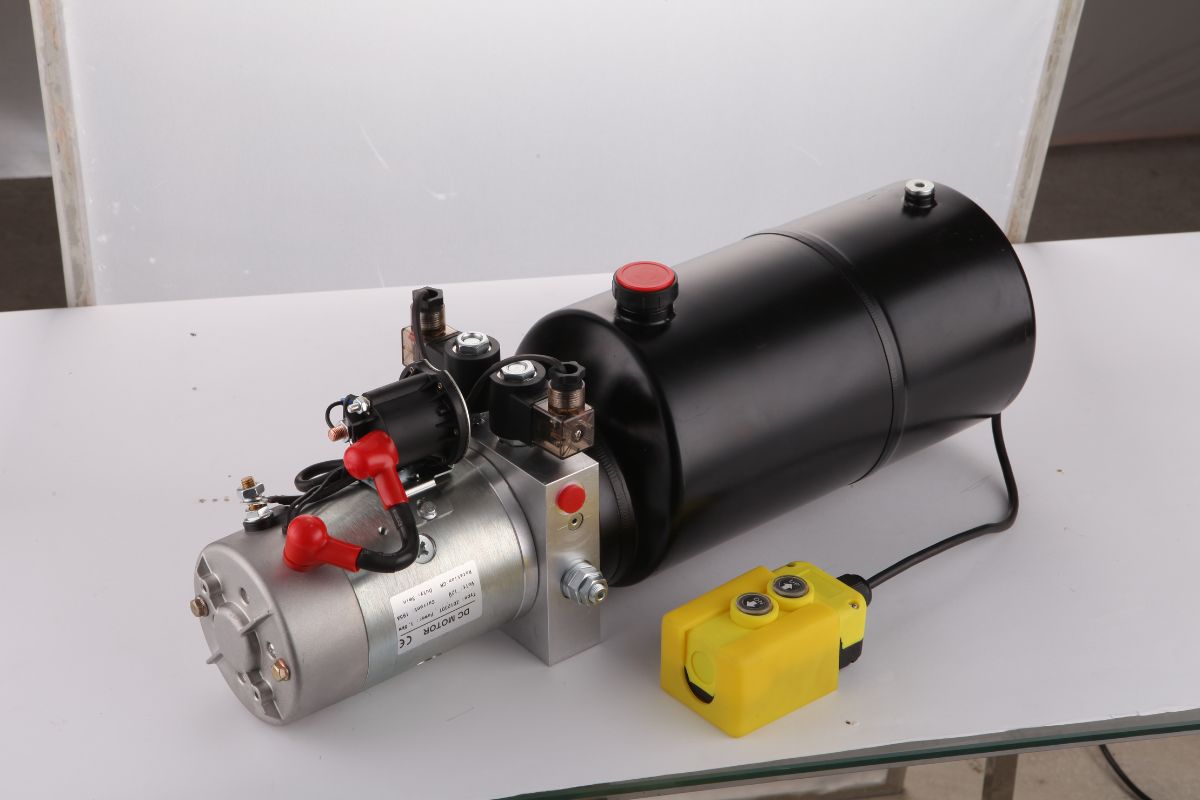
Control Interface Review
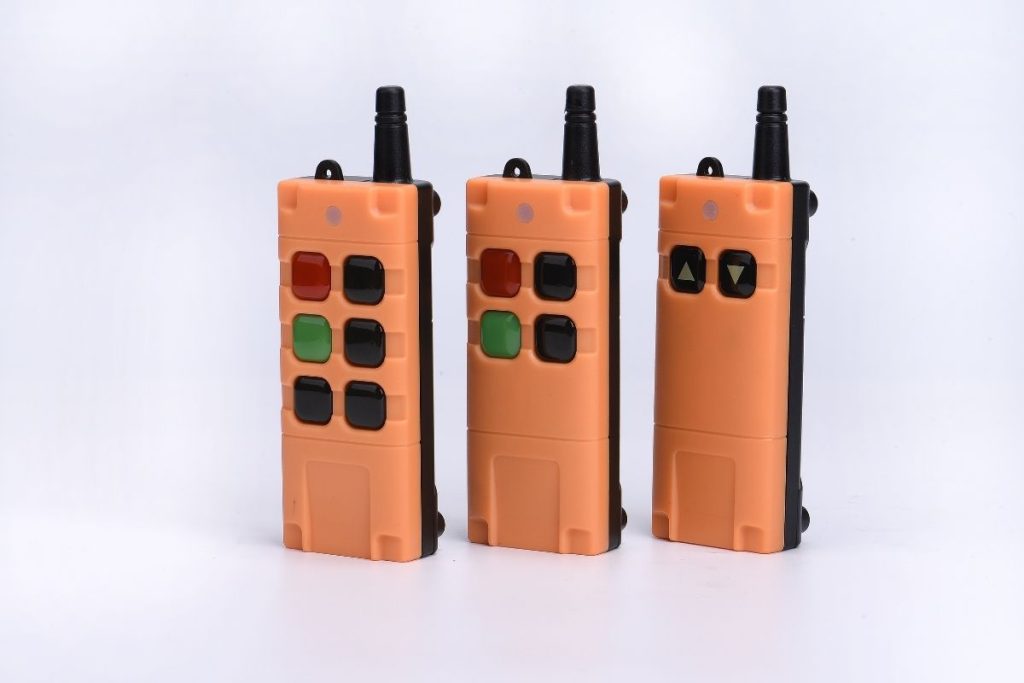
A wired or wireless command interface must be matched to the released electrical and hydraulic schematics. Define UP, DOWN, stop, emergency and power-loss behavior before choosing controls. A generic two-button label does not prove safe operation or a particular pressure, flow or tank option.
Review the Battery, Load and Installation Inputs
Start with the battery system at the proposed installation point. Provide measured supply voltage under load, cable length and gauge, protective device, charging arrangement, starting conditions and the expected cycle/rest pattern. These inputs determine whether the motor and wiring can support the required duty; a nominal 12V label is not enough.
Next define the actuator load, bore, rod and stroke, target travel time, normal and peak pressure, return force and hold/lowering requirements. The schematic should identify the intended flow paths and valve behavior in normal operation, power loss and an emergency. Reservoir volume and heat management depend on displaced volume, duty and ambient conditions.
Send a drawing showing tank envelope, mounting, port threads and service access. HydrathPower can use these inputs for an OEM configuration review, but final ratings, interface compatibility, inspection results, price and delivery must be confirmed against the selected project documentation.
| Review field | Required project input or evidence |
|---|---|
| Battery supply | Provide measured voltage under load, cable length/gauge, protection and charging arrangement. |
| Powered motion | State actuator direction, load, bore/rod/stroke and required travel time. |
| Return and hold | Describe gravity, spring or powered return; define hold, lowering and power-loss behavior. |
| Motor and duty | Provide start frequency, cycle/rest pattern, ambient conditions and model-specific motor evidence. |
| Pressure and flow | Provide normal/peak pressure and required flow with units; select ratings only after circuit review. |
| Reservoir and fluid | Provide displaced volume, fluid requirement, thermal conditions and available tank envelope. |
| Valves and controls | Supply schematic, control sequence and emergency requirements; confirm selected valve ratings. |
| Ports and mounting | Provide thread, hose, orientation, vibration and service-access drawings. |
| Approval evidence | Confirm selected model datasheet, applicable certifications and acceptance tests before final specification. |
Input checklist only. No fixed motor, pressure, flow, reservoir or certification is claimed for an unspecified model.
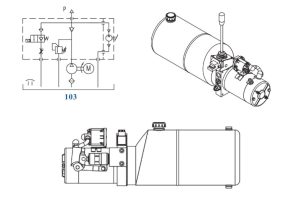
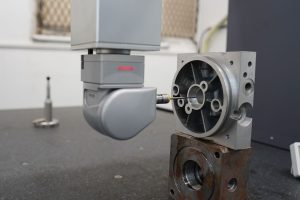

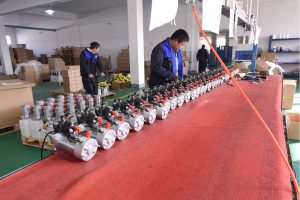


Hydraulic Power Packs Applications


Agriculture & livestock
- Lifting
- Feeding
- Rural automation systems

Send the Mobile Circuit for Review
Send the machine or trailer drawing, battery and wiring details, actuator dimensions, load direction, travel time, duty cycle and hydraulic schematic.
Identify normal, emergency and power-loss behavior. These inputs allow an OEM review of the motor, pump, valve and reservoir path. Final ratings and safety functions require project-specific confirmation.
What is a 12V DC hydraulic power unit?
A 12V DC hydraulic power unit uses a battery-fed motor to drive a hydraulic pump for a specified actuator circuit. Depending on the selected design, the assembly may include a reservoir, relief and directional or check valves. It should be specified by load, motion, duty, battery supply and control requirements, not by voltage alone.
How do single- and double-acting 12V circuits differ?
A single-acting circuit supplies pressure to one side of the actuator; return depends on a verified external force such as gravity or a spring. Review load holding, controlled lowering and power-loss behavior before selecting the single-acting power-pack route.
A double-acting circuit supplies pressure to two actuator sides for powered motion in both directions. Confirm cylinder ports, load direction, directional valve logic, return flow and safety requirements before selecting the double-acting power-pack route. The name alone does not determine safe lowering or rated performance.
What is a 12v dump trailer hydraulic pump and which circuit is common?
A 12V battery-powered hydraulic unit can drive a dump-trailer lifting circuit, but the return method depends on the trailer and cylinder schematic. Confirm body geometry, load, desired lowering control, hold requirements and power-loss behavior before choosing a single- or double-acting circuit. Neither circuit type alone proves suitability for a particular trailer.
How are pressure and flow established for a 12V unit?
Pressure follows the required force and actuator area; flow follows actuator volume and target travel time. Provide load, cylinder dimensions, cycle time and the circuit diagram with units. The selected pump, motor, valve and relief setting must then be checked against their current model documents and the available battery system. No one pressure or flow range applies to every 12V unit.
Can a 12v hydraulic power unit with remote be wired or wireless?
A wired pendant or a wireless command interface may be considered, subject to the selected controller and project requirements. Specify UP, DOWN, stop, emergency stop, receiver power and power-loss behavior in the electrical and hydraulic schematics. Remote control does not by itself establish safe load holding or compatibility with a given trailer or lift.
What hydraulic oil viscosity is commonly recommended?
Use the fluid grade specified for the selected pump, seals and operating-temperature range. Check the model documentation and project conditions before choosing viscosity; a universal oil grade cannot be assigned from the 12V label. Do not substitute another fluid without compatibility confirmation.
What port standards might I see (SAE ORB, BSPP), and why does it matter?
Port thread and seal geometry must match the chosen unit, hoses and mating fittings. Record the actual port designation from the selected model drawing; SAE ORB and BSPP are different interfaces and should not be treated as interchangeable. The DC power pack family page is a starting point, not a substitute for the approved interface drawing.
Can a 12V hydraulic power unit be mounted vertically or horizontally?
Mounting orientation is model-specific. Check the selected reservoir pickup, vent, fill level, motor position, vibration exposure and service access against its drawing before approving vertical or horizontal installation. A 12V rating does not establish either mounting option.
Why does “power up / gravity down” save battery?
Where the verified circuit permits gravity return, the motor may run during lifting but not during lowering. That can reduce motor-on time for the return stroke compared with a powered return, but actual battery demand depends on load, cycle frequency, control losses and the selected motor. Confirm the required lowering and hold behavior before treating energy use as a design benefit.
What should I provide for an OEM quote for a 12V DC hydraulic power pack?
Send the equipment drawing and hydraulic schematic with:
- actuator load, bore, rod, stroke and intended powered/return motion;
- measured battery supply, cable and protection details;
- required travel time, cycle/rest pattern and ambient conditions;
- normal and peak pressure and required flow, with units if known;
- hold, lowering, stop and power-loss requirements;
- tank envelope, mounting, port thread and control-interface drawings.
Missing inputs can remain open for engineering review; final ratings, price and delivery require the selected project specification.
Send Your 12V Circuit for Engineering Review
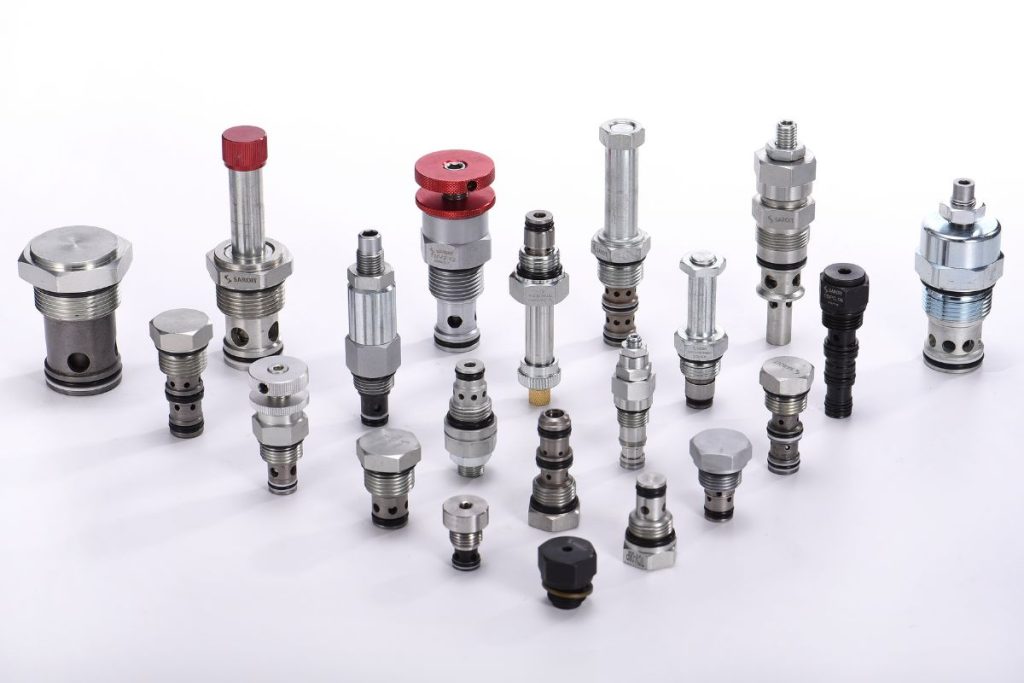
Related Component


Ready to Review a 12V DC Power Unit?
Share the equipment drawing, battery supply, actuator load, duty cycle and hydraulic schematic. We can review the inputs; final ratings and commercial terms require project confirmation.