24V DC Hydraulic Power Packs for OEM Equipment Integration
A 24V DC hydraulic power pack converts electrical input into hydraulic flow for a specified actuator circuit. HydrathPower reviews the cylinder, load, battery supply and installation drawing before confirming an OEM configuration.
- Circuit: define powered movement and return behavior.
- Electrical: confirm supply, starting conditions and duty.
- Installation: provide ports, mounting and available space.
OUR PRODUCT
CUSTOM HYDRAULIC PRODUCT

24V Double Acting Hydraulic Power Pack
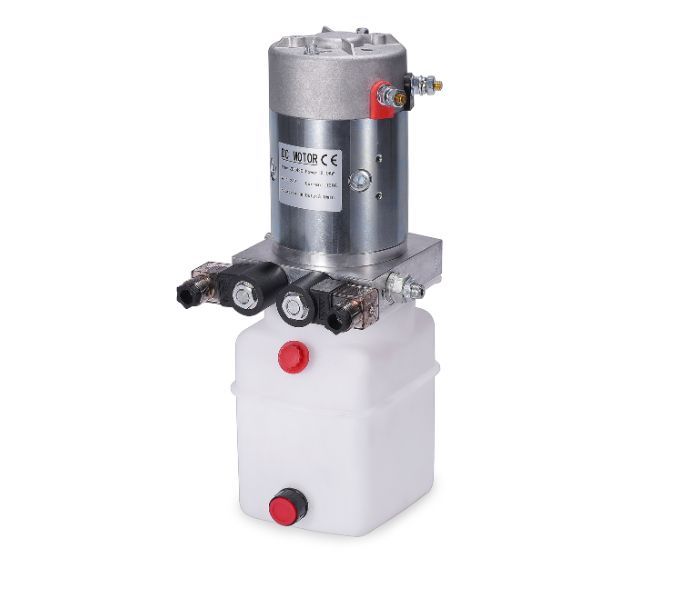
A double-acting circuit supplies powered movement in both directions. Review the cylinder bore, rod diameter, stroke, load and target travel time for extension and retraction separately. The directional valve, return path and holding function must match the approved schematic. Powered retraction alone does not establish load-holding performance.
24V Single Acting Hydraulic Power Packs
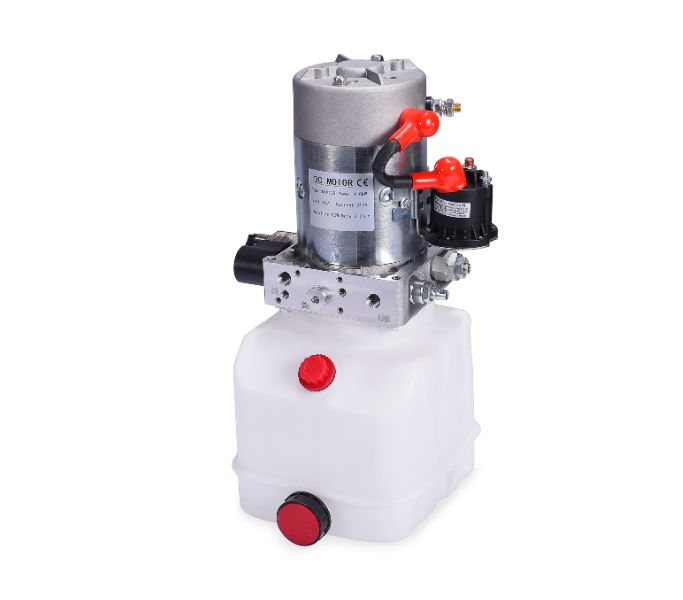
A single-acting circuit powers one direction and relies on an external force, such as gravity, for return. Identify how return flow is released and controlled, how the load is held, and what happens when electrical power is lost. Suitability depends on the equipment geometry and circuit, rather than the application name alone.
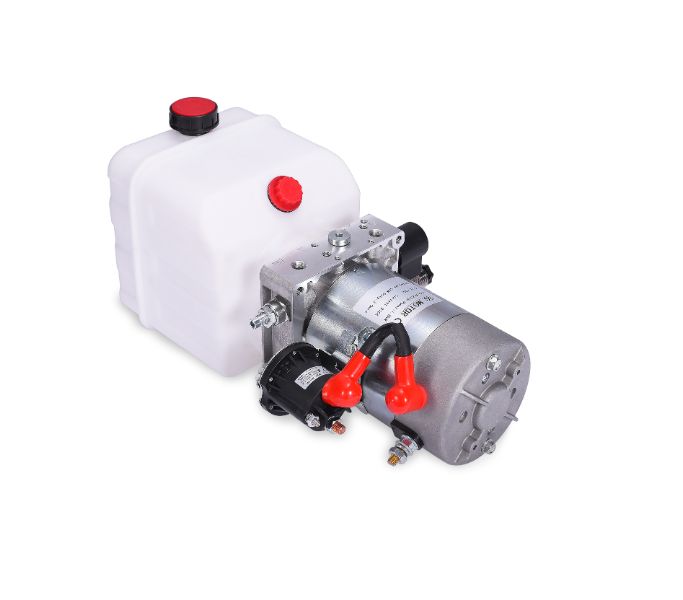
24V Dump Trailer Hydraulic Pump
For a dump-body project, start with trailer geometry, cylinder dimensions, load distribution and the requested lift time. Confirm the 24V electrical architecture and available charging arrangement. Reservoir volume, relief setting, controls and mounting are project inputs to review, not one universal specification for every trailer.
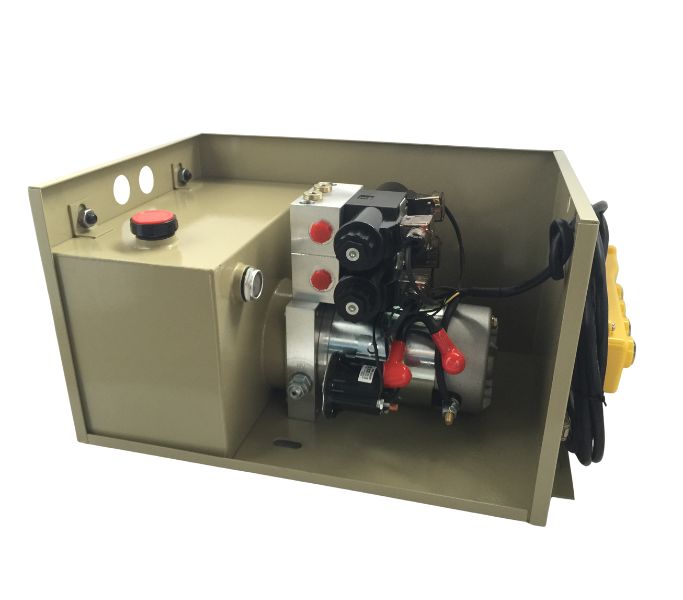
24V Tail Lift Hydraulic Power Pack
A tail-lift request needs the complete lift and lower sequence, platform load, cylinder arrangement and operating frequency. Include the required hold and emergency states on the schematic. Review cable routing, installation space and service access with the hydraulic interface. Final safety functions require equipment-specific validation.

24V DC Mini Power Pack
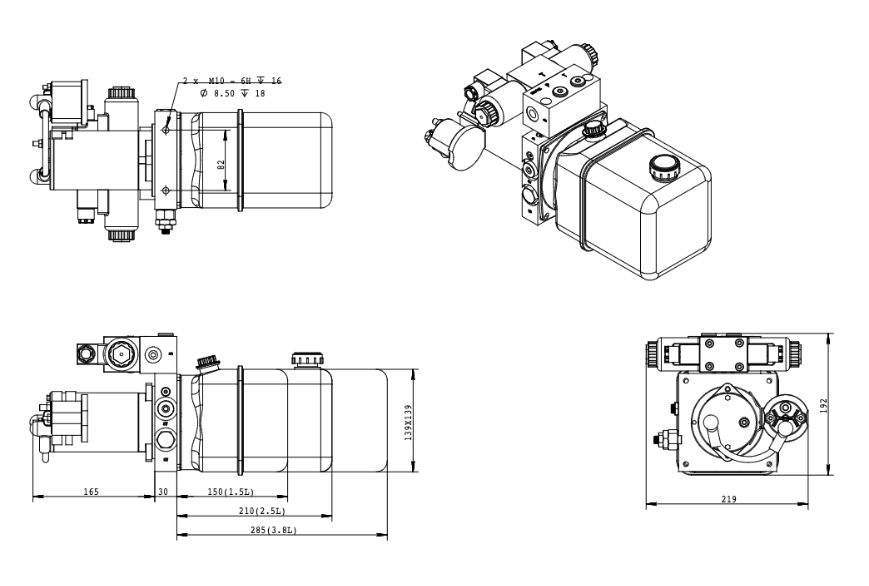
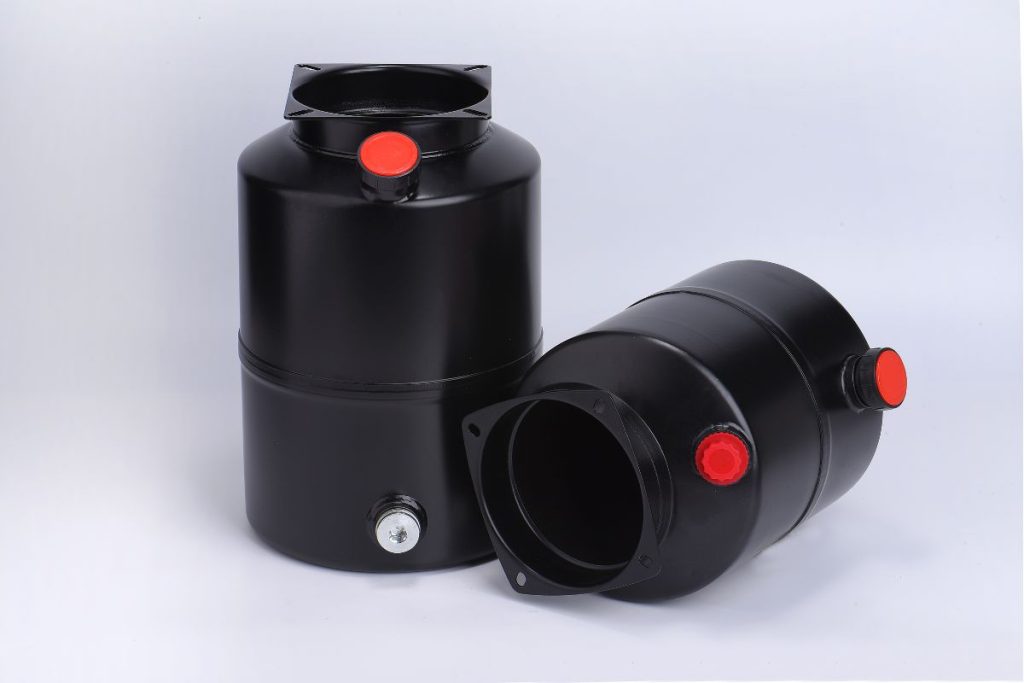
A compact installation needs an envelope drawing before motor, reservoir and manifold dimensions can be selected. Include space for ports, hose bends, connectors, filling and maintenance. Compare usable oil volume and thermal duty with the available space. A smaller footprint does not automatically provide the same cycle capability.

S3 Duty Cycle 24V Hydraulic Packs
Intermittent operation must be described with running time, rest time, load and ambient conditions. Record repeated starts as well as total operating time. The selected motor rating and complete assembly determine the permitted duty. A 24V supply or an S3 label alone does not justify a universal percentage or cycle duration.
Define the 24V Circuit Before Choosing Components
A 24V configuration begins with the machine movement, not a nominal motor size. A double-acting power-pack circuit powers both directions; a single-acting power-pack circuit uses an external return force. Both still need defined holding, lowering and power-loss behavior.
HydrathPower uses the available equipment inputs to review motor, pump, manifold, reservoir and control requirements. Provide the existing schematic and drawings when replacing an assembly. A matching voltage does not establish matching flow, interfaces or operation.
| Decision | Information to provide | What it determines |
|---|---|---|
| Motion | Extend, retract, hold and power-loss states | Valve functions and circuit sequence |
| Actuator | Bore, rod, stroke, load and travel time in each direction | Separate pressure and flow requirements |
| Electrical supply | Battery arrangement, charging source, cable run and starting conditions | Motor and electrical interface review |
| Duty | Run/rest sequence, starts and ambient conditions | Motor and thermal-duty assessment |
| Installation | Envelope, mounting, orientation, port and hose details | Mechanical integration |
| Acceptance | Required inspections, documents and released revision | Quotation and delivery scope |
Use consistent units for the input sheet: pressure in bar or psi, flow in L/min or US gpm, dimensions in mm or inches, and travel time in seconds. State whether a pressure is measured, calculated, required working pressure or a component limit. These values have different purposes.
Where information is incomplete, submit the known inputs and mark the missing items. The next step is to resolve those gaps before releasing component ratings and drawings. Price, delivery terms and acceptance documents follow the agreed project scope.
Application
Hydraulic Power Packs Applications
Agriculture & livestock
- Lifting
- Feeding
- Rural automation systems
24V DC Hydraulic Power Pack Design Capabilities
A mounting review connects the hydraulic circuit to the equipment layout. Send the envelope drawing with mounting holes, reservoir orientation, hose routes and access clearances.
- Define separate extension and retraction requirements when both are powered.
- Include connector space and cable entry alongside hydraulic ports.
- Show access for filling, inspection and removal of service parts.
Confirm the available space at the installed position, including nearby moving components. A drawing should identify its revision so changes to the interface can be traced before production.


Confirm Assembly Scope and Interfaces
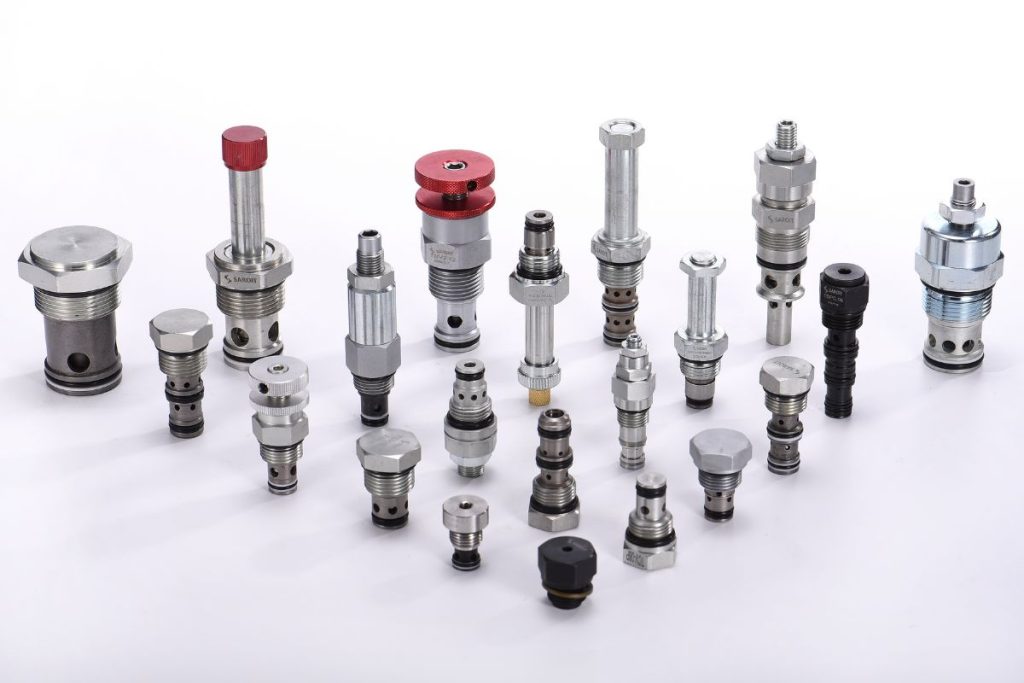
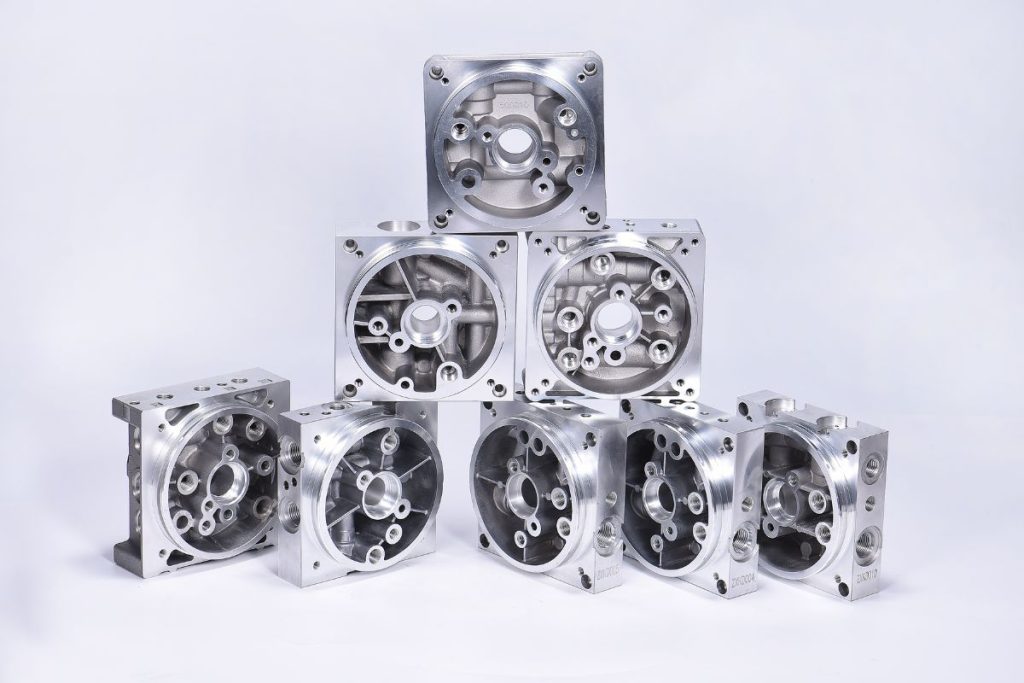
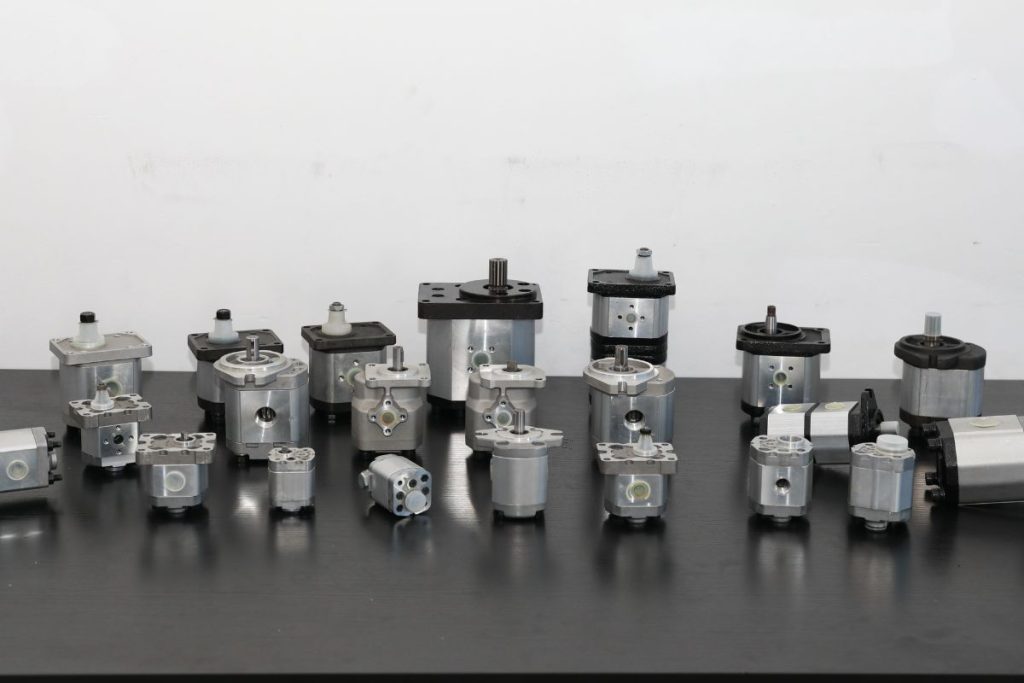
The assembly scope should identify the motor, pump, manifold, valve functions and reservoir as a coordinated set. Confirm what is supplied with the power pack and what remains part of the equipment builder’s installation.
- Align the bill of materials with the released hydraulic schematic.
- Specify port threads, sealing method and mounting interfaces.
- Agree on assembly cleanliness, handling and documentation requirements.
For a repeat order, use the same drawing revision and approved component list or record the agreed substitutions. A similar appearance is not sufficient evidence that two assemblies are interchangeable.
Agree on Inspection and Acceptance Criteria
An inspection plan defines what will be checked on the ordered configuration and the conditions for acceptance. Agree on that plan with the quotation rather than assuming that every available configuration shares one published result.
- Specify which hydraulic functions and electrical conditions are checked.
- Record required pressure, flow, leakage and duty observations with units and conditions.
- Identify the inspection record, drawing revision and documents needed for acceptance.
A product photograph is evidence of appearance, not a pressure-flow curve, inspection result or certification. Request the applicable records for the proposed assembly when those items matter to your project.

Discuss the 24V Configuration
Share the 24V supply arrangement, operating sequence and mounting drawing with HydrathPower before discussing the configuration. If you plan an in-person meeting, confirm the location, date and any exhibition participation directly. The page does not verify a standing annual exhibition schedule.
What is a 24V DC hydraulic power pack?
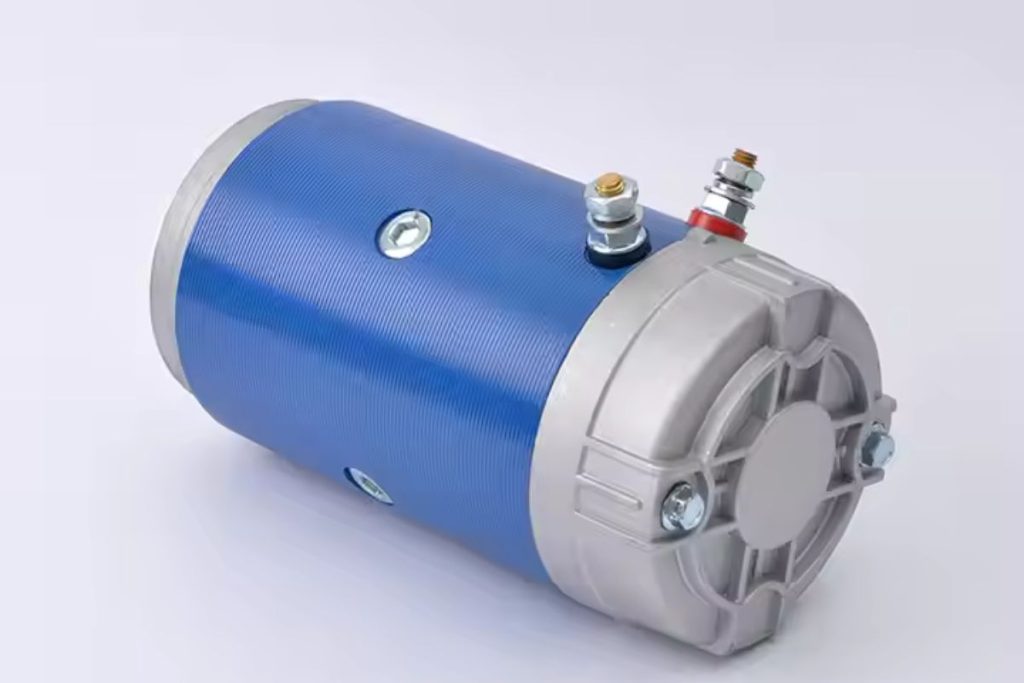
A 24V DC hydraulic power pack combines a DC motor, pump, reservoir and valve circuit to supply hydraulic power. The circuit may power one direction or both directions. Voltage identifies the electrical supply; it does not establish flow, pressure, reservoir size or duty.
Should I choose a 24V double acting hydraulic power pack or a 24V single acting hydraulic power unit?
Choose by the required movement and return force. Single-acting operation uses hydraulic power in one direction and an external return force. Double-acting operation supplies powered movement in both directions. In either case, confirm holding and lowering behavior from the complete schematic. Equipment names alone do not determine the circuit.
How do I size flow and pressure for a 24V DC mini power pack?
Use cylinder dimensions and target speed to review required flow, then evaluate the load and mechanical arrangement to review pressure. Check both directions separately on a double-acting cylinder. Include losses and duty conditions in the component review. Avoid selecting from a general pressure-flow range without matching the actual operating point.
What does S3 duty cycle mean for a 24V hydraulic unit?
S3 describes an intermittent motor duty with periods of operation and rest. The permitted cycle depends on the selected motor rating and its stated conditions. Provide run time, rest time, starts, load and ambient conditions. Do not transfer an example duty percentage from another unit to the ordered configuration.
Are 3/8 BSP 24V power pack ports compatible with my hoses?
Compatibility depends on the full connection specification, including thread form, size, sealing arrangement and port location. BSPP, BSPT and NPT connections are not interchangeable merely because nominal sizes look similar. Submit the fitting specification or drawing and follow the component manufacturer’s installation instructions.
What reservoir size is recommended for mobile applications?
Review usable oil volume across the actuator cycle, reservoir level limits, installation orientation, return flow and thermal duty. Account for drain-back and the space needed for filling and service. The selected reservoir must work within the installation envelope. Capacity is confirmed for the project rather than chosen from a universal application range.
Where is a 24V DC hydraulic power pack typically used?
Possible equipment contexts include lifting, tipping and positioning systems with an available 24V supply. The application name is only a starting point. Confirm the load, circuit, duty, mounting and required equipment safety functions before treating a configuration as suitable for the installation.
How do I keep a 24V unit reliable over time?
Follow the equipment and component maintenance instructions. Track fluid condition, leakage, electrical connections, unusual noise and temperature changes, and investigate a change before repeating operation under load. Use the approved service procedure and specified fluid. Maintenance intervals and acceptance limits belong to the particular equipment and components.
What is the real advantage of 24V versus 12V?
At comparable electrical input power, increasing supply voltage generally reduces current. Cable losses, motor characteristics and the charging system still affect the installed result. Compare the complete electrical arrangement, not just voltage labels. A different supply voltage requires a matching motor and control specification.
Is 24V better for heavy-duty vehicles?
Use the voltage supported by the equipment electrical system, then review the load and duty. A 24V label does not itself make a unit heavy-duty or suitable for continuous operation. Compare battery and charging capability, starting conditions, motor duty and hydraulic requirements together.
Can I build 24V from two 12V batteries?
A series battery arrangement can provide a higher nominal voltage, but battery matching, charging, protection and wiring need an electrical design appropriate to the equipment. Provide the proposed arrangement for review. Do not connect a different battery configuration to a power pack based only on the total nominal voltage.
How do I manage heat in high-frequency operation?
Review run/rest time, hydraulic losses, oil volume, ambient conditions and heat rejection together. Record temperatures under representative duty and investigate the source of extra heat. Increasing motor size or reservoir volume alone does not establish a thermal solution. The approved design should state its operating and inspection conditions.
How is lowering speed adjusted on a double-acting unit?
Lowering behavior follows the circuit, load, actuator and flow-control arrangement. Powered retraction is not automatically a speed-control or load-holding solution. Identify the required travel time and the valve functions on the schematic, then verify the complete circuit under the approved equipment conditions.