Features

220V Hydraulic Power Units for OEM Supply and Circuit Review

A 220V hydraulic power unit combines an AC motor, pump, reservoir and control valves to supply a defined machine circuit. HydrathPower reviews the available electrical supply, actuator load, movement sequence and installation drawing before proposing an OEM power-unit configuration.

  • Electrical: confirm measured supply voltage, phase, frequency, motor starting and protection requirements.
  • Hydraulic: provide the circuit, cylinder dimensions, load, target speed, pressure and flow inputs.
  • Integration: specify duty cycle, valve states, ports, reservoir, mounting and service access.

Final component ratings, test criteria and delivery terms require a project-specific approved specification.

220V HYDRAULIC POWER UNIT TYPES

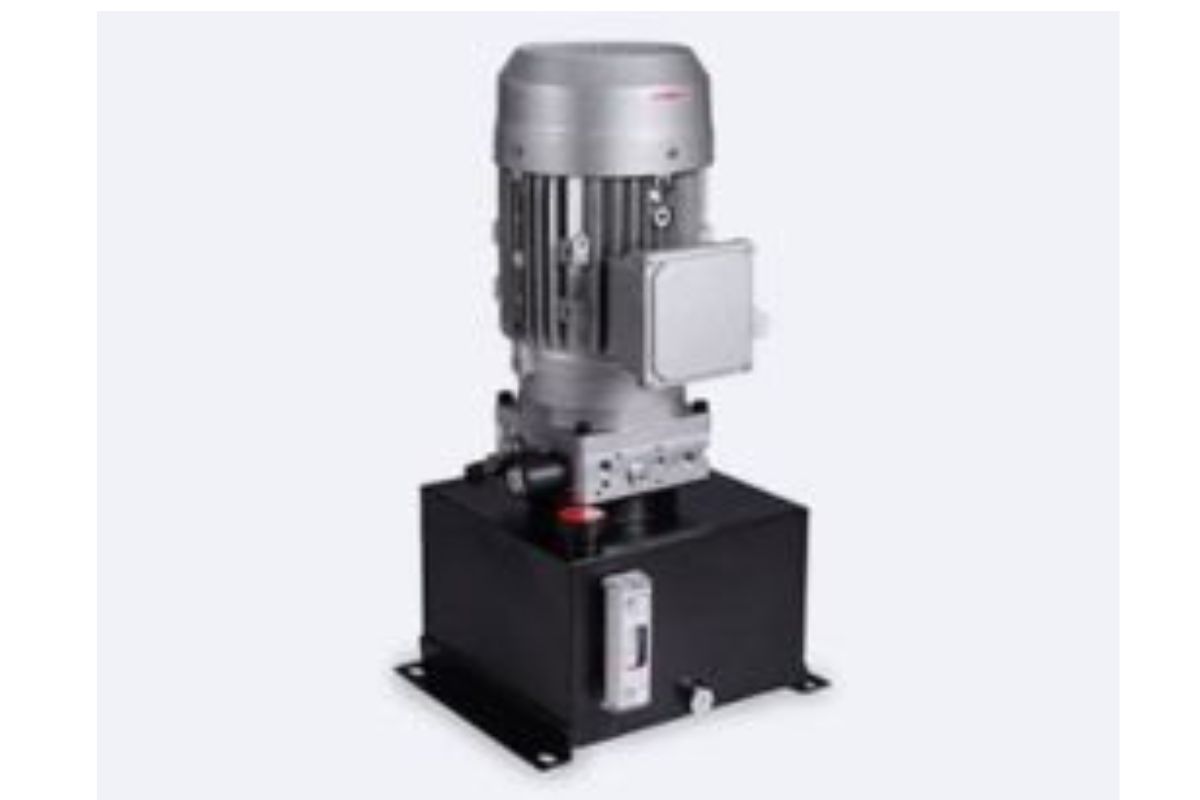
220v Single Phase Hydraulic Power Unit

220v Single Phase Hydraulic Power Unit

A single-phase 220V power-unit route combines an AC motor, pump, reservoir and valves for a defined machine circuit. Confirm actual line voltage, frequency, motor starting current, protection and operating duty before selecting electrical components. Pressure, flow, reservoir and ports are determined from the actuator load, stroke, target time and approved drawing; no universal rating is implied by the 220V label.
Single Acting 220v Hydraulic Power Unit

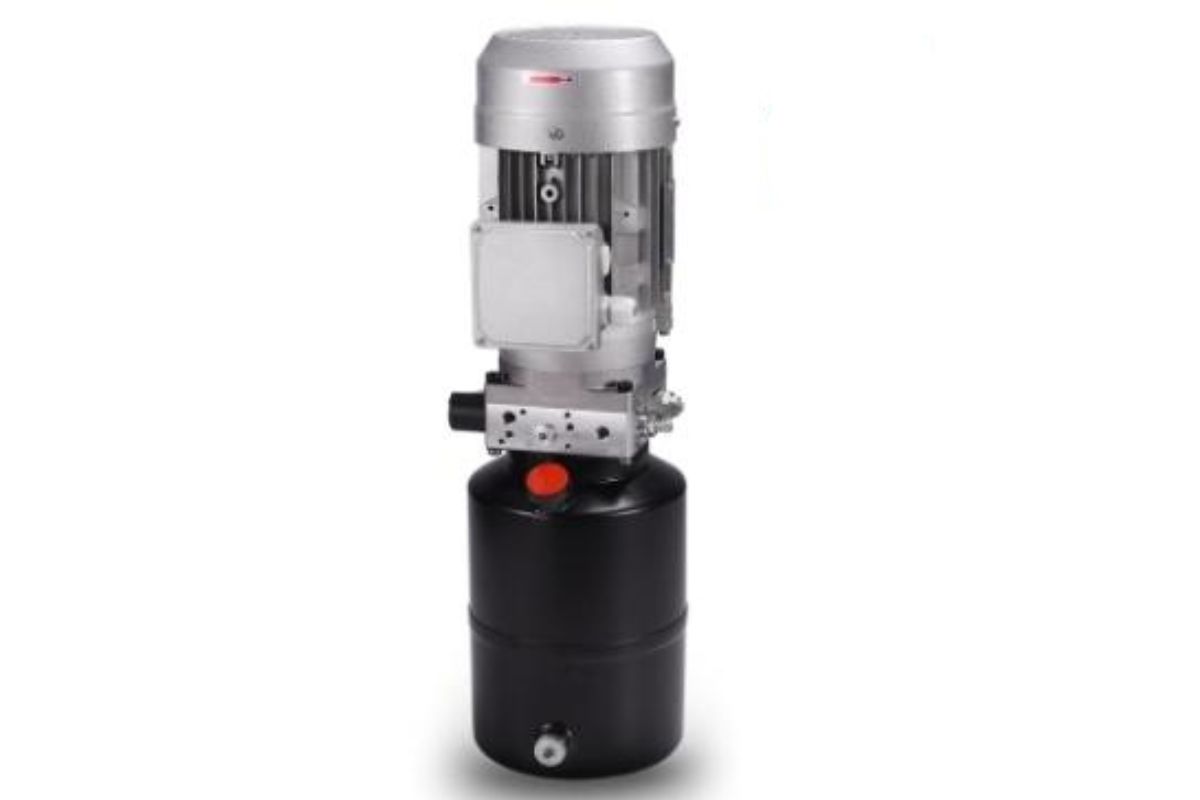
Single Acting 220v Hydraulic Power Unit

A single-acting 220V unit can power movement in one direction when the return force and valve state are defined by the machine circuit. Review cylinder geometry, load through the stroke, desired lift time, controlled lowering, power-loss behavior and available AC supply. Reservoir, relief setting, motor and controls are chosen against those inputs and the machine builder’s safety requirements.
Double Acting 220v Hydraulic Power Unit

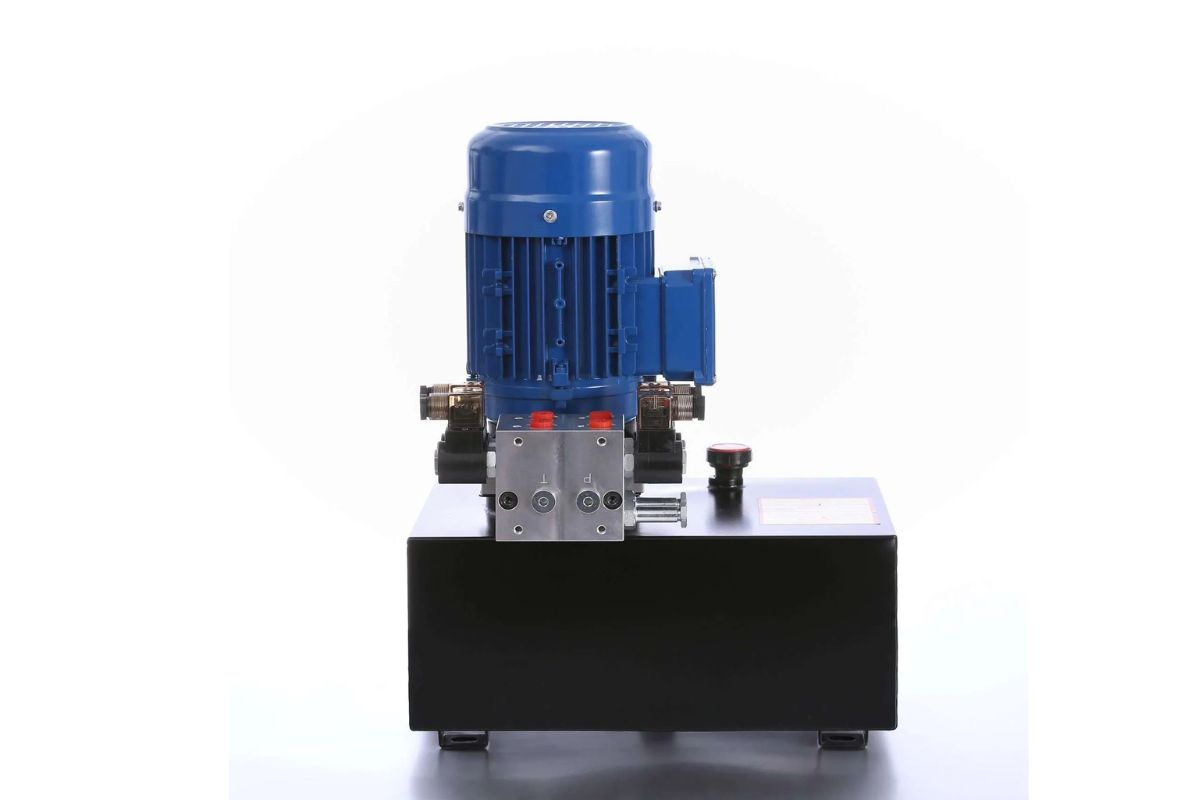
Double Acting 220v Hydraulic Power Unit

A double-acting 220V unit supplies hydraulic flow for powered extension and retraction through a specified directional-valve circuit. Provide loads, cylinder dimensions and target times in both directions, plus the required hold and power-loss states. Directional control does not alone prove safe load holding; confirm protective functions, electrical supply and final ratings on the approved machine drawing.
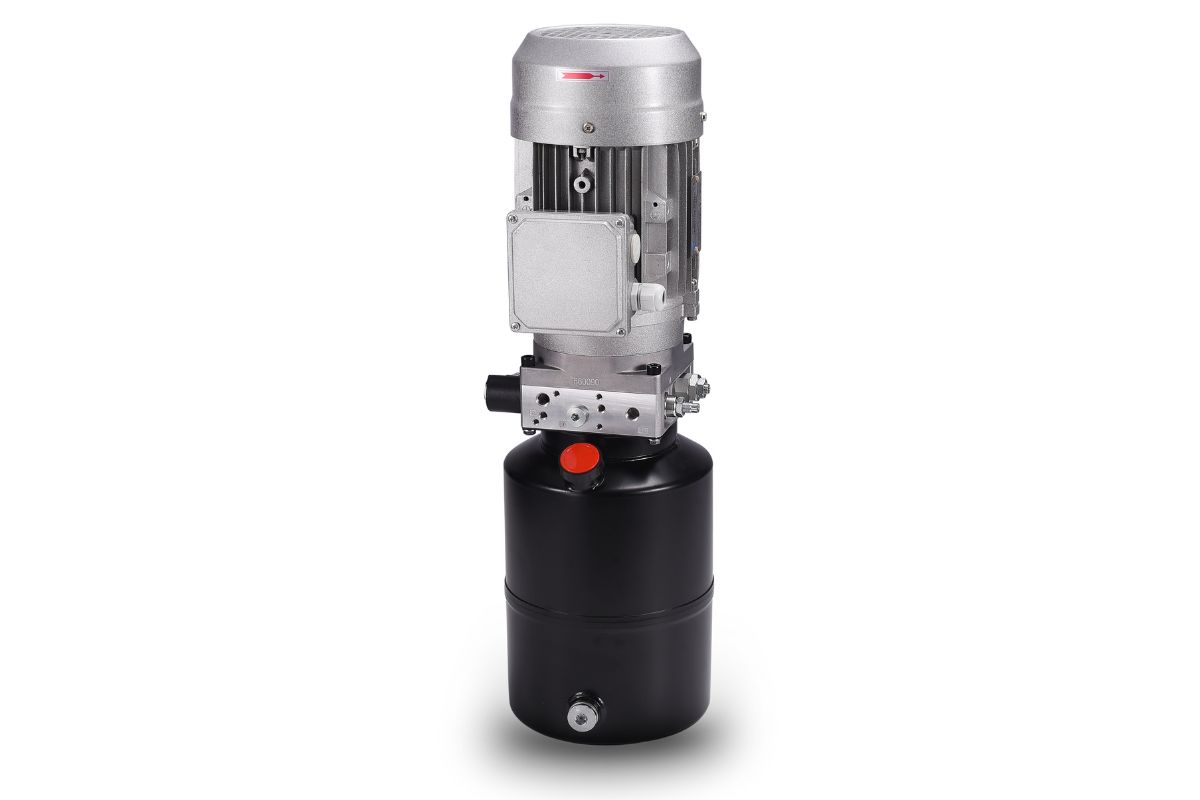
220v Car Lift Hydraulic Power Unit

220v Car Lift Hydraulic Power Unit

For a vehicle-lift project, a 220V power unit is only one part of the complete lifting and safety system. Review rated vehicle load, lift geometry, cylinder and mechanical restraints, lowering sequence, duty, supply and installation standard before selecting the circuit. The lift manufacturer must validate the complete system; this page does not certify suitability for a particular two-post or four-post model.

220v Scissor Lift Hydraulic Power Unit

220v Scissor Lift Hydraulic Power Unit

A scissor-lift power-unit review begins with platform load, linkage geometry, cylinder stroke, lift time and controlled lowering requirements. Confirm the supply, duty cycle, valve sequence, hold and power-loss behavior with the machine builder. Motor, pump, relief, reservoir and protection are project-specific; the complete lift must be evaluated against its applicable safety requirements.
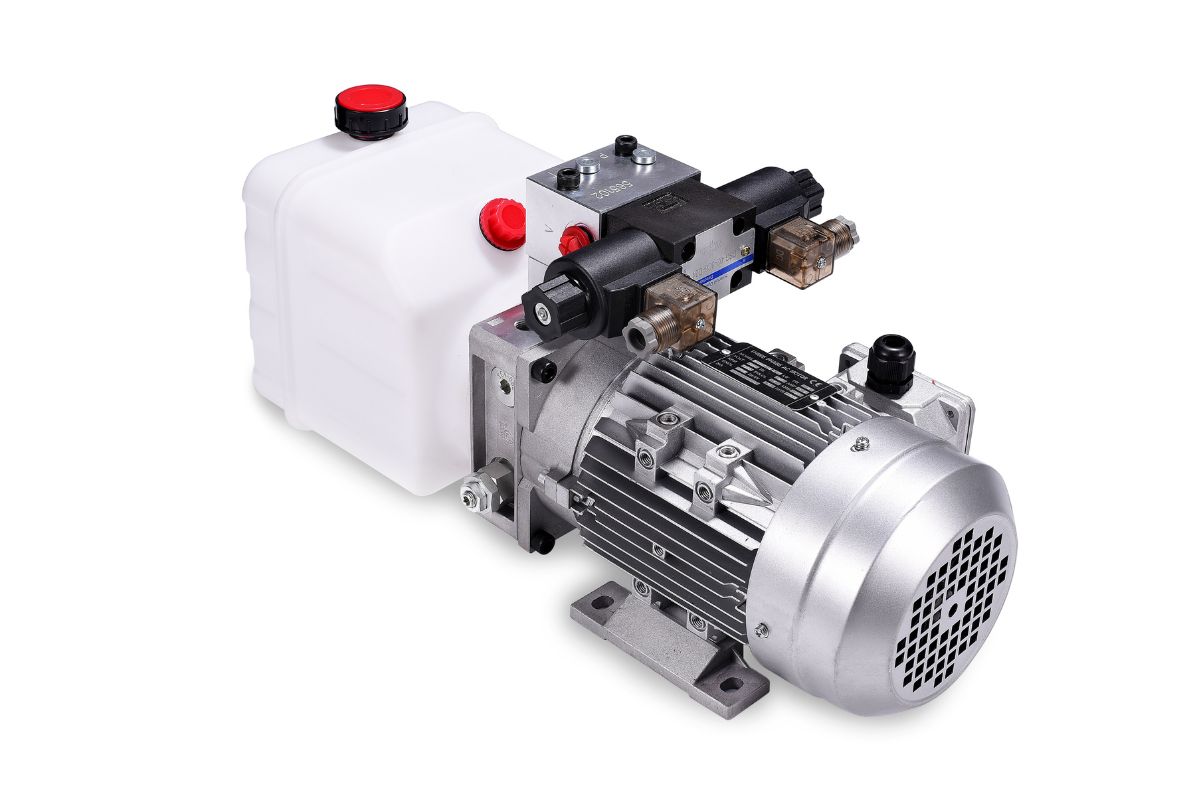
220v Dock Leveler Hydraulic Power Unit

220v Dock Leveler Hydraulic Power Unit

A dock-leveler power unit must follow the ramp and lip movement sequence, loaded geometry, duty cycle and electrical supply of the actual dock equipment. Provide the actuator and interface drawings, valve-state requirements, mounting envelope and target operating times. Confirm pressure, flow, controls and safety functions with the dock-leveler designer; this card does not establish a standard rating or universal fit.
220V OEM Power Unit Review and Evidence

For a 220V OEM unit, start with the machine electrical drawing and hydraulic schematic. Record line voltage, phase, frequency, starting method, protection and the supply available under load before selecting a motor.

Review actuator loads, movement times and duty to define the pressure, flow and valve functions. The layout should then confirm ports, reservoir orientation, mounting, wiring and maintenance access.

Ask for a project-specific bill of materials, interface drawing and inspection plan with the quotation. This page does not claim a universal 100% inspection rate, fixed test result or guaranteed equipment uptime.

Use this table as an OEM input checklist, not a published rating sheet. No universal flow, pressure, motor-power or reservoir range is claimed for all 220V units.

Review fieldInformation to confirm
SupplyMeasured nominal voltage, phase, frequency, starting capacity and protection at the installation
MotionExtension, return, hold and power-loss behavior on the approved schematic
Load and actuatorCylinder bore, rod, stroke, load path and target travel times
Hydraulic demandRequired working pressure and flow under the specified operating condition
Duty and environmentCycle frequency, ambient conditions, fluid requirements and service access
InterfacesValve functions, ports, mounting, controls and reservoir orientation
ValidationProject-specific ratings, test points, acceptance limits and required records
Commercial termsPrice, MOQ, lead time and warranty to be confirmed in the quotation

Final values and options must be recorded on the approved project drawing or specification.

Application

Hydraulic Power Packs Applications

Review Your 220V OEM Power Unit Project

Send the electrical supply details, hydraulic schematic, cylinder and load data, target cycle and mounting drawing. HydrathPower can review the open inputs for a project-specific configuration and quotation.

Final pressure, flow, motor choice, inspection evidence, price and delivery terms are confirmed only against the approved project specification.

What is a 220V AC hydraulic power unit?

A 220V AC hydraulic power unit combines a motor, pump, reservoir and control valves to move a specified actuator through a defined circuit. The 220V label does not establish phase, frequency, motor duty, pressure or flow. HydrathPower reviews the electrical supply, hydraulic schematic, load, target movement time and mounting drawing before proposing a project-specific configuration.

A single-acting route powers one direction and needs a verified return force and controlled lowering path. A double-acting route uses valve-controlled flow for powered movement in both directions. Final ratings, protective functions and inspection criteria must be agreed against the machine design.

When should I choose a single acting 220V hydraulic power unit?

Choose a single-acting 220V hydraulic power unit only when the machine needs hydraulic power in one direction and has a verified force for return, such as gravity or a spring. Confirm that return force exists throughout the full stroke and define how the circuit will hold the load, meter lowering and behave on power loss. Size the motor, pump, valve and reservoir from measured supply conditions, load, target time and duty cycle; a simple valve arrangement is not proof of safe lowering.

What are the benefits of a double acting 220v hydraulic power unit ?

A double-acting 220V hydraulic power unit can supply powered cylinder movement in both directions through a defined directional-valve circuit. That allows motion where gravity return is unavailable, but it does not by itself guarantee positioning accuracy or safe load holding. Review the extension and retraction loads, cylinder areas, target times, valve states and any separate protective functions on the machine schematic.

Start with the lift manufacturer’s rated load, cylinder geometry, mechanical restraints and required lift, hold and lowering sequence. Then confirm the actual AC supply, phase, frequency, motor duty, hydraulic pressure and flow requirements, and installation envelope. A 220V label cannot establish suitability for a particular vehicle lift; the machine builder must approve the complete safety and control design.

For a scissor-lift project, specify platform and payload loads across travel, linkage geometry, cylinder bore and stroke, lift time, hold time, lowering behavior and cycle frequency. Supply the actual electrical data and mounting envelope. Pressure, flow, reservoir and valve functions follow the complete machine review; the machine builder remains responsible for validating stability, guarding and safety-related functions.

A dock-leveler power unit must match the leveler’s actual raise, lip and lowering sequence, load case and cycle pattern. Provide the machine schematic, actuator data, valve states, available electrical supply, duty and mounting drawing. A 220V unit is not automatically suitable for every dock leveler; the equipment manufacturer must verify the complete operating and safety sequence.

For a project-specific 220V hydraulic power unit quotation, send:

  • measured supply voltage, phase, frequency, motor starting and protection requirements;
  • the hydraulic schematic and extension, hold, return and power-loss states;
  • actuator dimensions, load cases, target movement times, pressure and flow inputs;
  • starts, on-time, rest time, ambient conditions and available reservoir space;
  • port, control, mounting and service-access drawings; and
  • the inspection or documentation evidence the buyer needs.

HydrathPower can use these inputs to identify unresolved choices before a final configuration and quotation are approved.

Send Your 220V Project Requirements
RELATED

Components for the 220V Power-Unit Circuit

Review a 220V Power Unit for Your Machine

Send the circuit, supply and installation details for review.
Scroll to Top

Contact Us