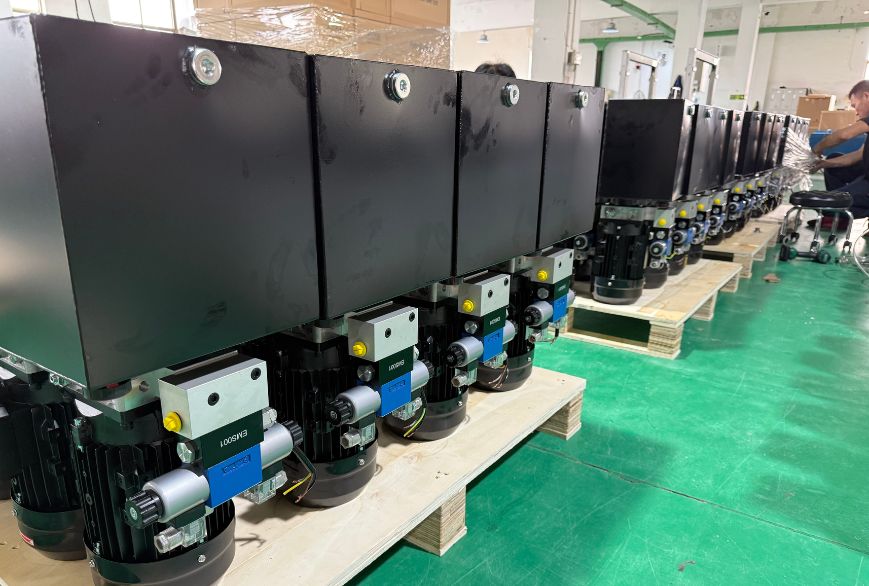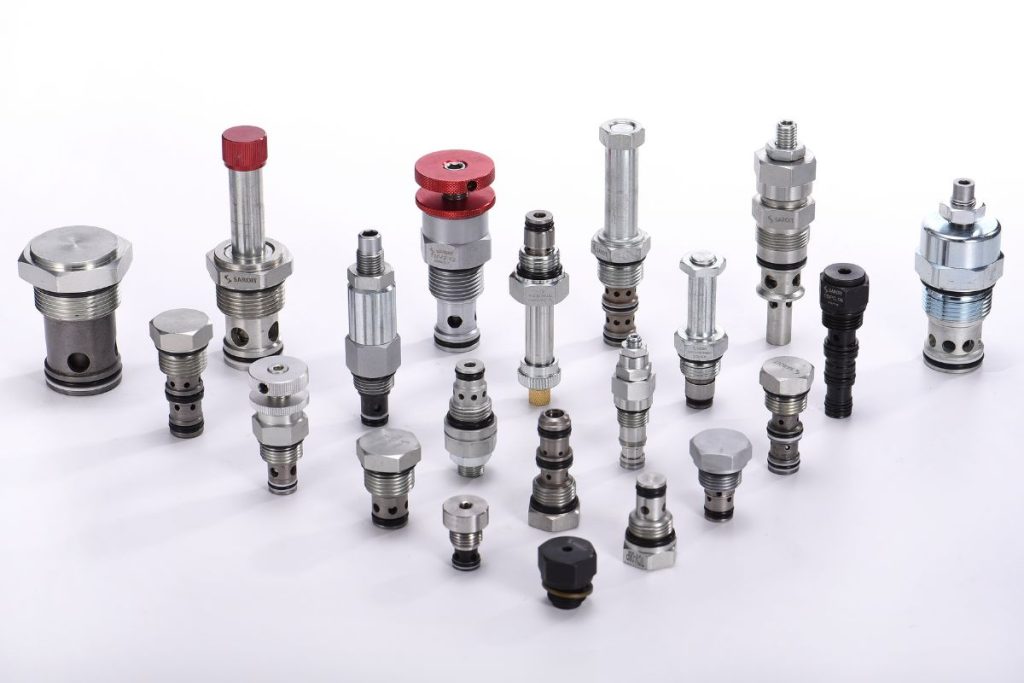
Double‑Acting Hydraulic Power Packs
Double acting hydraulic power packs supply a circuit that powers actuator movement in both directions. HydrathPower presents AC and DC configuration paths for power-up/power-down equipment. Define extension, retraction, holding and power-loss behavior on the schematic before selecting the motor, pump and valves.
- Power supply: Confirm AC supply details or the DC battery and charging arrangement.
- Circuit: Distinguish powered return from gravity return and identify load-control requirements.
- Duty and fit: Provide run/rest times, reservoir orientation, ports and mounting space.
OUR PRODUCT
Double Acting Power Pack Configuration Paths

DC Double Acting Power Pack
A DC double acting power pack should be matched to the battery supply and the required powered movements. Record the actuator load, travel time and repeated starts. Confirm the valve circuit, electrical protection and mounting package together; a DC label does not establish duty capability or load-holding performance.

12V Double Acting Power Packs
For a 12V double acting power pack, provide the battery and charging arrangement, cable route and cylinder inputs. Define extend, retract, neutral and power-loss behavior. Check the proposed motor and controls against the available supply under operating conditions, not only the nominal battery label.
24V Double Acting Power Packs
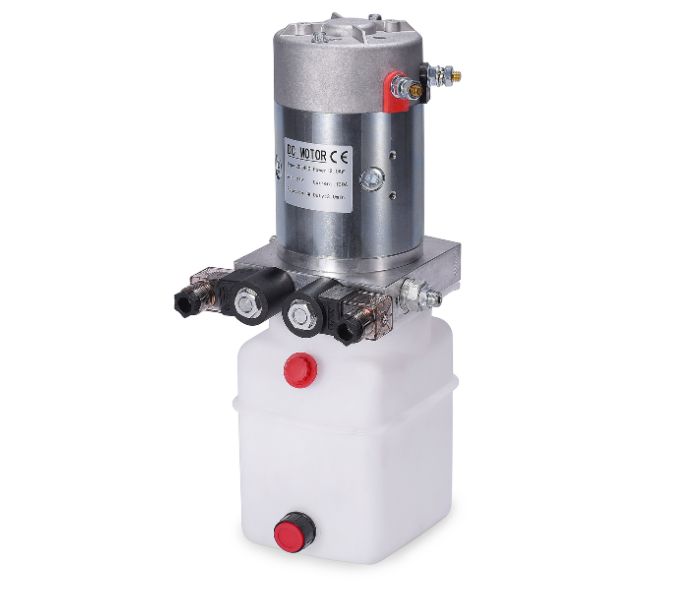
For a 24V double acting power pack, confirm that the motor, switching devices and valve controls match the machine supply. Review pressure, flow and duty at the required operating points. Voltage alone does not establish a faster cycle, higher lifting capacity or longer allowable run time.

220V/240V/380V Double Acting Power Unit
An AC double acting power unit needs the actual voltage, phase, frequency and starting method before motor selection. The 220V, 240V or 380V description is only part of that electrical identity. Confirm the hydraulic sequence and motor duty separately; mains power does not automatically mean continuous-duty operation.
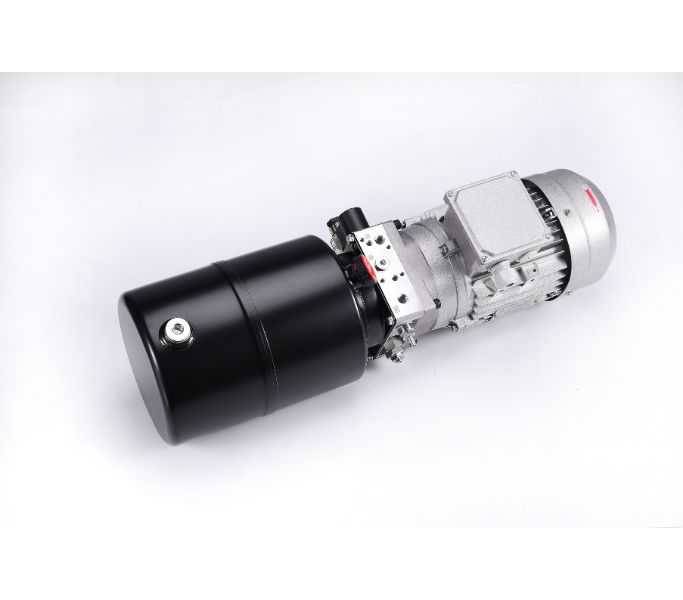
Double Acting Power Pack for Scissor Lift
For a scissor-lift power-pack review, provide platform load, mechanism geometry, cylinder inputs and lift/lower timing. Determine whether the return needs powered flow and define holding and lowering functions on the schematic. The selected power pack does not by itself establish platform stability or machine-safety compliance.
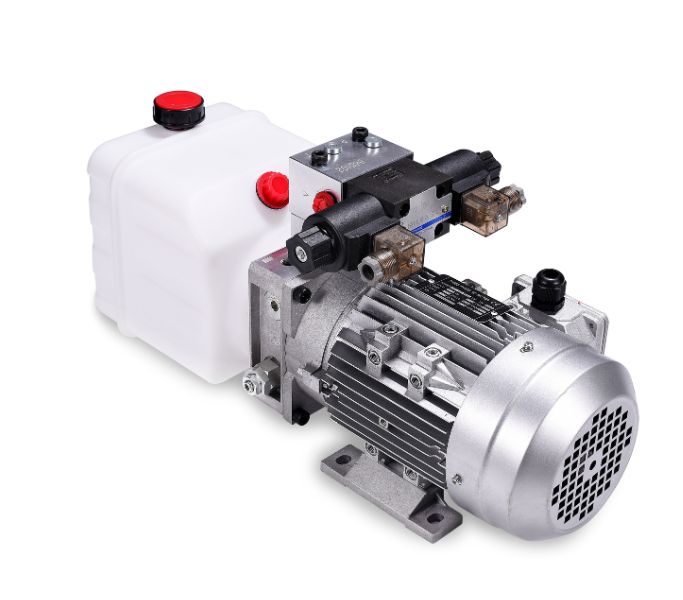
Double Acting Pump for Dock Leveler
For a dock-leveler circuit, define deck and lip movements, sequence, available supply and the required behavior when controls are released. Confirm the actuator arrangement and installation space. Do not assume a general double-acting unit provides the sequencing or load-control functions needed by a particular dock.
Double Acting Hydraulic Power Packs for Equipment Review
Begin the double acting power packs review with the machine sequence, cylinder inputs and available electrical supply. Record the proposed valve functions and the requirements for holding or lowering the load. Confirm pressure, flow, duty, acceptance tests and delivery terms against the project quotation and released drawing; AC or DC supply alone is not an application approval.
On small screens, scroll the table horizontally to read every column.
| Decision | Inputs to provide | Why it matters |
|---|---|---|
| Motion | Powered directions, neutral state and power-loss state | Review the complete valve circuit. |
| Power | AC voltage/phase/frequency or DC supply under load | Match motor and controls to available power. |
| Actuator | Cylinder dimensions, load and required travel time | Determine hydraulic operating points for each direction. |
| Duty | Run/rest sequence, repeated starts and environment | Assess motor duty and heat generation. |
| Installation | Ports, tank orientation and mounting drawing | Confirm interfaces before ordering. |
Application
Review the Equipment Duty Before Choosing a Circuit
Marine & off‑grid
- Boat lifts
- Dock equipment
Agriculture & livestock
- Lifting
- Feeding
- Rural automation systems
Medical & disabled access
- Medical equipment
- Wheelchair/disabled access lifts
Define the Double-Acting Circuit
Start with a state diagram covering extension, retraction, neutral, hold and loss of electrical power. Identify which actuator chamber receives flow in each state and where displaced oil returns. Review directional and load-control functions separately; a valve count or the words power-up/power-down do not fully describe the circuit.


Agree the Configuration and Interfaces
Use one controlled revision for the schematic, bill of materials and installation drawing. State the required motor supply, reservoir orientation, ports, manifold envelope and control interfaces. Confirm which components and documents are included in the quotation, with unresolved requirements listed before the configuration is released.
Specify Acceptance Evidence
Define the evidence required for the proposed assembly: operating pressure and flow conditions, commanded movement, leakage acceptance, electrical checks and the agreed duty sequence. Record the test method, load conditions and drawing revision where applicable. These are acceptance requirements to agree, not a claim that every configuration has already passed the same test.

Discuss Your Power-Up and Power-Down Sequence
Send the machine sequence, cylinder drawing and electrical information to HydrathPower for a double-acting configuration discussion. State any existing parts that must be retained. Confirm appointments and current project arrangements directly; exhibition photographs are not a current event calendar.
What are Double‑Acting Hydraulic Power Packs?
They are power-unit configurations for circuits that use pressurized flow to drive actuator movement in both directions. A complete selection also defines neutral, holding and power-loss behavior. The term does not specify a universal pressure, flow, valve arrangement or machine load rating.
Do you support customization as a manufacturer?
Submit the circuit, actuator data and installation drawing for a project-specific review. Identify required supply, tank arrangement, ports and controls, and separate preferences from mandatory requirements. Confirm the proposed configuration, documentation, price and delivery terms in the quotation rather than assuming all family options are included.
When should I choose a DC Double Acting Power Unit?
Consider a DC path when the equipment provides an appropriate battery-based supply. Review voltage at the motor, charging arrangement, cable run, repeated starts and the required motor-on time. Selection still depends on the chosen motor and hydraulic operating points; mobile installation alone is not a duty specification.
When should I choose an AC Double Acting Power Unit?
Consider an AC path when a suitable mains supply is available and the installation supports the proposed motor and controls. Confirm voltage, phase, frequency and starting method. Continuous or intermittent operation must be checked against the selected motor and complete unit, not inferred from AC supply.
What’s the difference between 12V Double Acting Power Packs and 24V Double Acting Power Packs?
Match the unit to the actual machine electrical system. Compare the proposed 12V and 24V motors at the required hydraulic operating point, including wiring, controls and duty. Do not assume the 24V label alone guarantees more speed or power; use model-specific performance and installation information.
What should I consider for a Double Acting Pump for Dock Leveler?
First define deck and lip movements, cylinder arrangement and the order of operation. Include the required behavior when the operator releases the control and when power is lost. The dock mechanism and loading conditions determine the hydraulic review; neither AC supply nor a generic lock valve is sufficient on its own.
What is S3 Duty on a Double‑Acting Hydraulic Power Unit?
S3 is an intermittent periodic motor-duty designation. The relevant rating must identify the permitted duty cycle and conditions for the selected motor; it is not a blanket permission to repeat any run/rest sequence. Compare the actual machine cycle and starts with the motor documentation and complete-unit thermal review.
Which control and acceptance inputs are needed for a dock-leveler circuit?
For the dock-leveler control package, confirm the operator commands, deck/lip sequencing and interfaces with the rest of the machine. Record the intended neutral and power-loss states on the same revision as the hydraulic drawing. Agree measurable acceptance checks for that specific sequence before release.
Get an Instant Quote Now
RELATED