Features

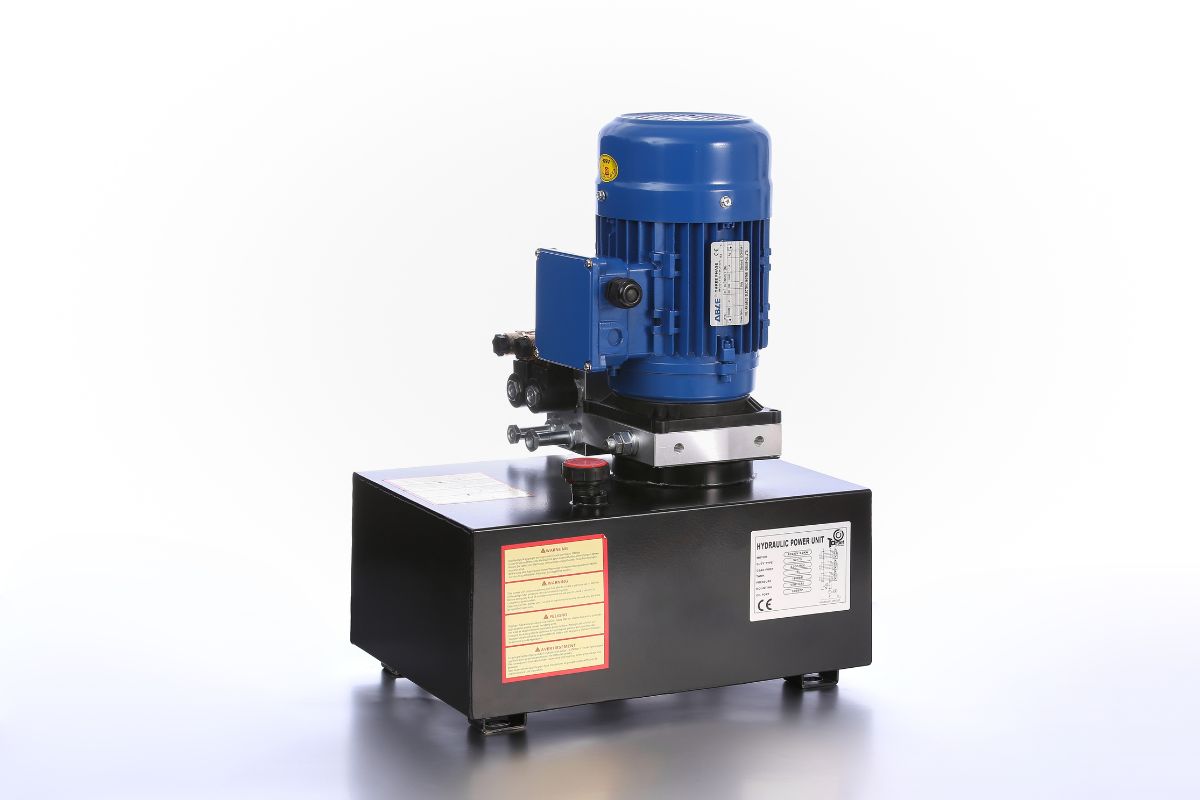
Three Phase Hydraulic Power Packs for Defined Machine Cycles

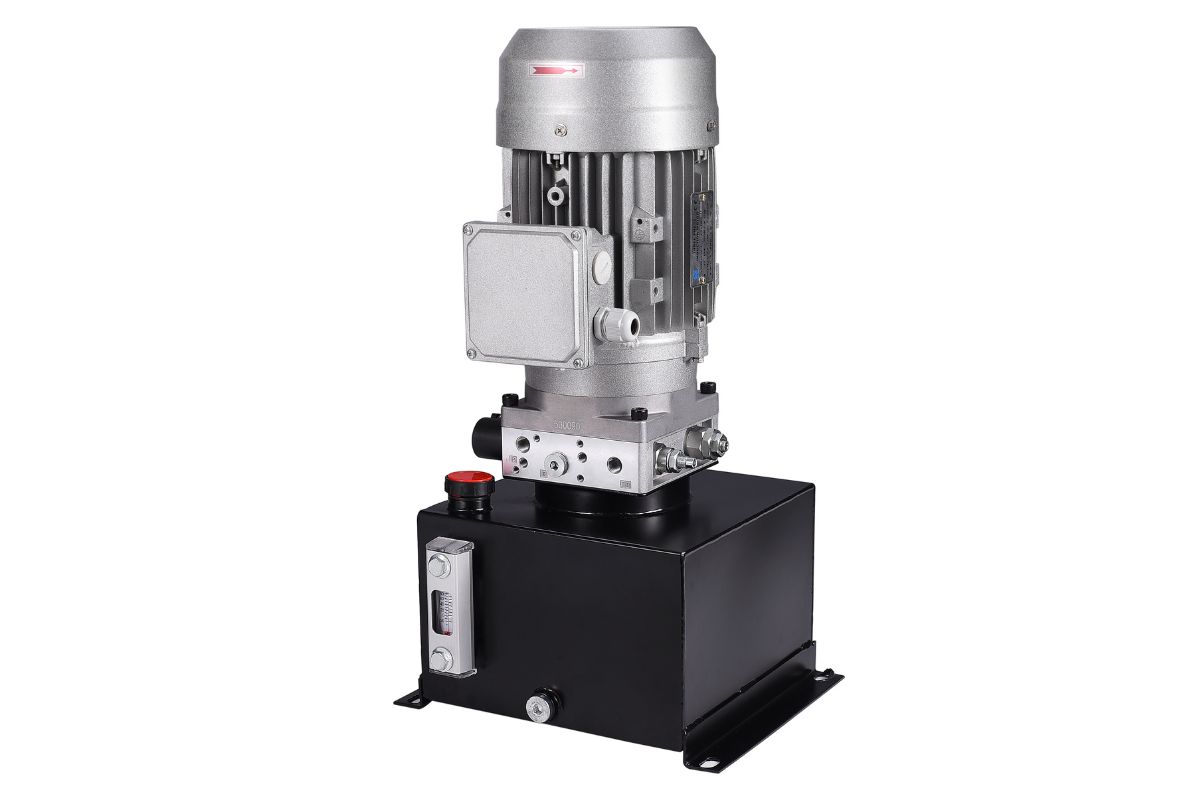
A three phase hydraulic power pack uses a three-phase motor to drive the pump that supplies a machine’s hydraulic circuit. HydrathPower reviews the available voltage and frequency together with load, cycle timing, motor-starting requirements and installation space before proposing a configuration.

  • Supply: record voltage, phase, frequency and starting constraints.
  • Cycle: separate loaded motion, hold and standby timing.
  • Integration: send the manifold, wiring and mounting drawings.

Three-Phase Power Pack Supply Review

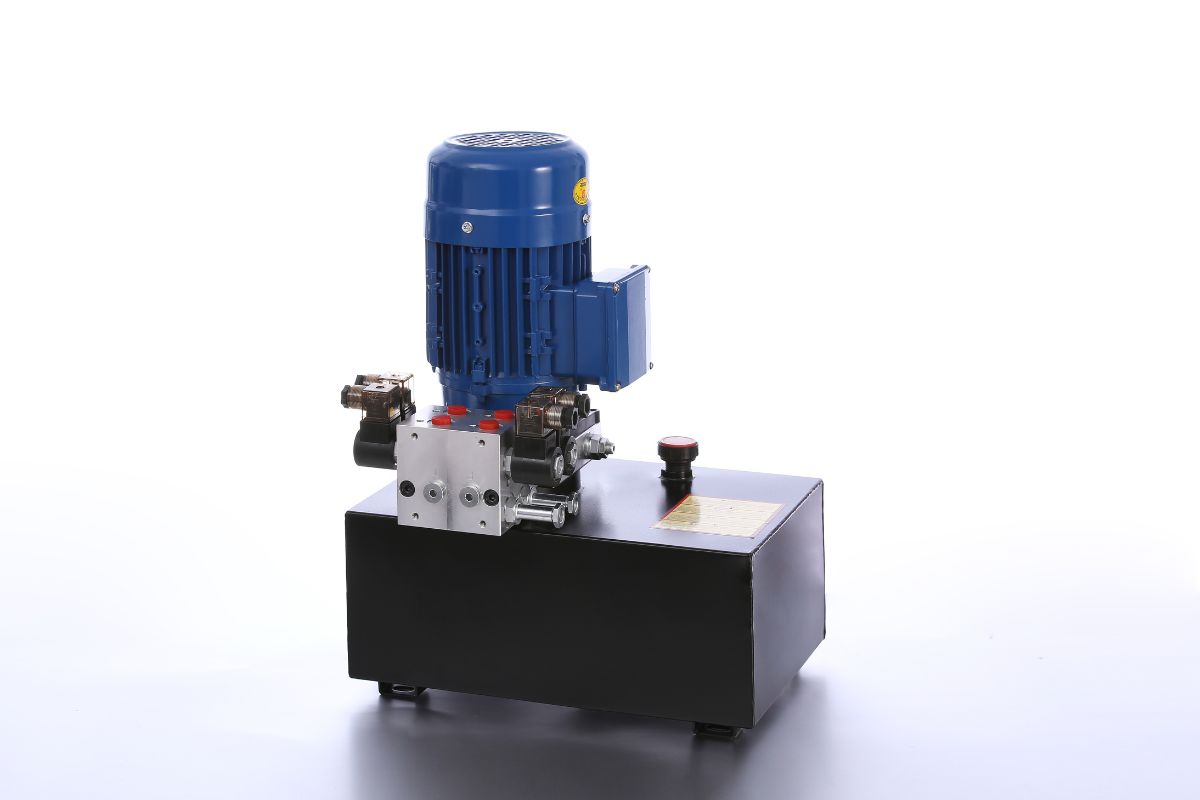
415V Hydraulic Power Pack

415V Hydraulic Power Pack

For a project with a declared 415V three-phase supply, provide the actual voltage and frequency, motor-starting constraints and machine cycle. Review the selected motor nameplate, pump speed, hydraulic operating points and installation drawing together. Pressure, flow, tank volume, duty and compliance documents are confirmed for the selected assembly; this supply label is not a universal rating.

400V / 380V Hydraulic Power Pack

For a 400V or 380V site supply, confirm the actual voltage, phase and frequency rather than relying on a country label. Send the electrical/control diagram and the hydraulic cycle so the motor, starting arrangement, pump and manifold can be reviewed together. Required mounting interfaces and market documents must match the proposed assembly.

208–230_460V 3‑Phase HPU

208–230/460V 3‑Phase HPU

For a site declaring 208V, 230V or 460V three-phase supply, confirm the selected motor wiring and nameplate combinations, frequency and starting arrangement. Do not assume one assembly accepts every listed voltage or supports continuous duty. Provide operating points, run/rest timing, control signals and enclosure requirements for a project-specific review.

Three-Phase Supply and Machine Integration Review

Send the actual site supply and hydraulic sequence before a motor or pump is selected. A three-phase supply does not establish continuous-duty capability, hydraulic pressure or a completed safety assessment.

Review the proposed motor, pump, manifold, control interface, reservoir and cooling path as one assembly. Drawings, test requirements, price and delivery terms are confirmed for the project; this page does not claim a blanket inspection percentage or certification.

Inputs for a Three-Phase Power Pack Quotation

Use these fields to define the project. Values not available should be marked for engineering follow-up. This input table is not a universal product rating.

Three Phase Hydraulic Power Packs for Defined Machine Cycles — quotation inputs
Review fieldInformation requiredEvidence to provide
SupplyMeasured/site-declared voltage, phase and frequencySupply record and motor nameplate requirements
Starting and controlsStarting sequence, permitted current, switching or drive arrangementApproved electrical/control diagram
Working cycleApproach, loaded motion, hold, return and standby durationsA cycle chart with time and operating states
Pressure and flowDemand by cycle state, with units and load conditionsCircuit drawing and required operating points
Motor and thermal dutyRun/rest timing, repeated starts, ambient conditions and ventilationSelected motor/drive data and heat review
Valve interfacesValve functions, mounting pattern, ports and control signalsManifold drawing and bill of materials
InstallationReservoir orientation, mounting envelope, cooler airflow and service spaceDimensioned machine layout
Release documentsApplicable market requirements and requested acceptance evidenceConfirm specific documentation before approval

Application

Three-Phase Machine Integration Checks

A three-phase route is reviewed where the machine has an appropriate site supply. The following are enquiry scenarios, not blanket application approvals.

New factory machinery

Provide the actuator loads, hydraulic sequence and required movement times. Include the electrical supply, starting limits, control signals and mounting layout so the proposed assembly can be reviewed against the machine.

Repeated loaded production cycles

Record loaded, hold, return and standby periods separately. Supply run/rest timing, repeated starts, fluid conditions and available cooling airflow. Long operating hours do not by themselves establish continuous-duty capability.

Replacement or control-system changes

Compare the existing schematic, motor nameplate and wiring, pump/valve functions, ports and installation envelope. A voltage match alone is not proof of hydraulic or control compatibility. Mark differences and unknowns before agreeing the replacement scope.

Before quotation approval

Agree the circuit revision, component data, interfaces and acceptance documents for the selected assembly. Pressure, flow, reservoir volume, certification, price and delivery remain project-confirmed values.

Prepare the Supply and Cycle Review

Send the site supply, hydraulic schematic, cycle chart and installation drawing. Mark unknown operating points and specify the documents needed for approval. HydrathPower reviews the supplied inputs before the project configuration and quotation are agreed.

Three-Phase Selection FAQ

What must be reviewed beyond the three-phase supply label?

Review voltage and frequency, the selected motor and starting arrangement, hydraulic operating points and the complete loaded/standby cycle. Three-phase supply identifies the electrical route; it does not establish pressure, flow, continuous duty or a completed machine safety assessment.

How should the site supply be specified?

Provide the site-declared or measured voltage, phase and frequency, along with permitted starting current and the control diagram. Confirm the selected motor nameplate and wiring against those inputs. A market or country label is not a substitute for the actual installation supply.

How are single-acting and double-acting circuits selected?

Define which movements need powered extension and retraction and which use gravity, a spring or another verified return force. Record the required hold, lowering and loss-of-power states. Select the circuit from the machine sequence, not from the motor’s phase count.

What must be checked in a standardized valve interface?

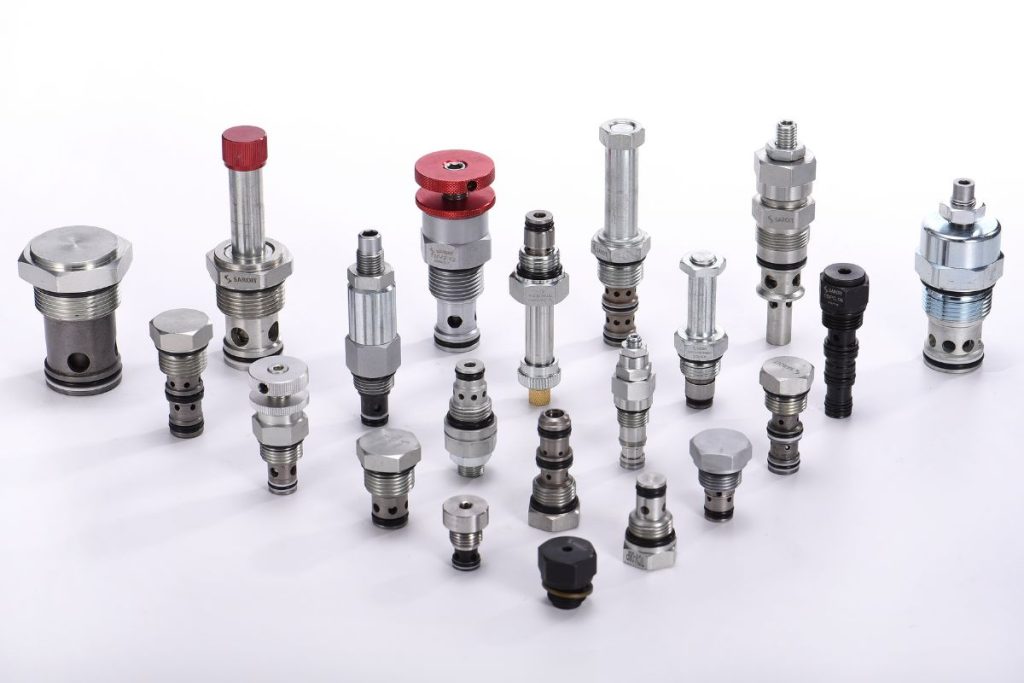
A standardized valve mounting interface can simplify a manifold review, but it does not make all valves interchangeable. Confirm the selected mounting pattern, passages, port locations, valve functions and electrical commands against the manifold drawing. Keep the drawing revision and bill of materials with the enquiry.

What should be confirmed before selecting a drive or soft starter?

Motor efficiency class, a soft starter and a variable-frequency drive address different design questions. Review motor/drive compatibility, starting current, pump speed limits and loaded/standby timing before selecting a route. Quantify any energy or temperature benefit from a defined cycle and measurements; no savings or continuous-duty capability are assumed here.

Which compliance evidence belongs in the enquiry?

Identify the destination market, machine requirements and documents requested for the selected assembly. Agree the responsible parties and the evidence required before release. A reference to a standard is not proof of a certificate or conformity assessment for every configuration.

Does an application name establish suitability?

Evaluate the power pack against the specific actuator loads, sequence, electrical supply and installation envelope. A factory machine with long loaded periods requires a different duty review from one with short intermittent movements. Application names alone do not establish suitability.

What should service records contain?

Use the machine builder’s service procedure and the selected component limits. Record oil condition, leaks, filter service, motor/drive temperatures and any change in pressure, flow or cycle timing. Isolate the equipment and secure loads before service; repeated abnormal operation requires a documented investigation.

Send Supply and Cycle Details
RELATED

Related Component

Looking for Reliable Hydraulic Solutions?

Let Our Engineering Experts Support You – Anytime.
Scroll to Top

Contact Us